
Title
Neither Monk Nor Layman: Clerical Marriage In Modern Japanese Buddhism,New
Processing time: 1-3 days
US Orders Ships in: 3-5 days
International Orders Ships in: 8-12 days
Return Policy: 15-days return on defective items
Payment Option

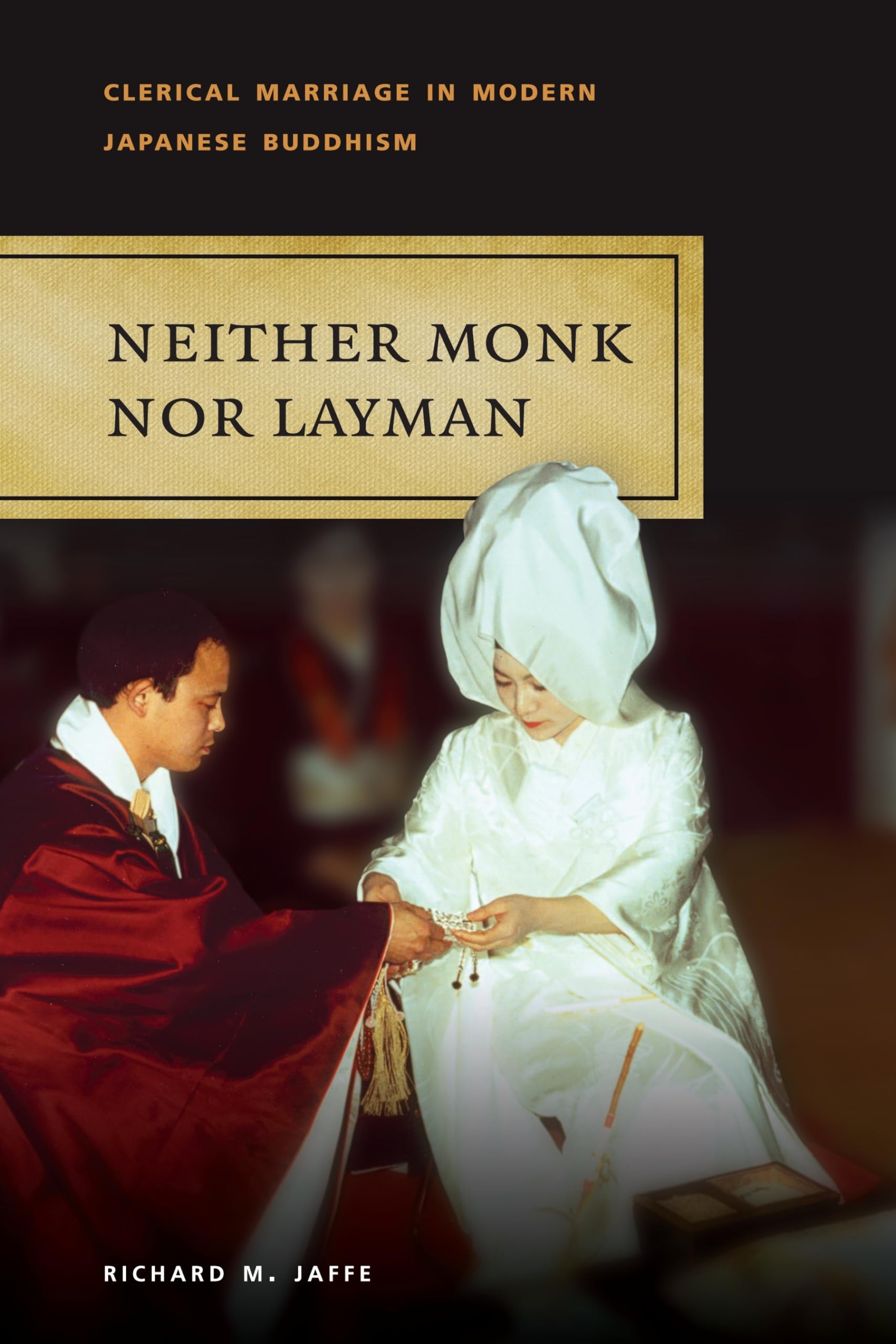
Buddhism Comes In Many Forms, But In Japan It Stands Apart From All The Rest In One Most Striking Waythe Monks Get Married. In Neither Monk Nor Layman, The Most Comprehensive Study Of This Topic In Any Language, Richard Jaffe Addresses The Emergence Of An Openly Married Clergy As A Momentous Change In The History Of Modern Japanese Buddhism. He Demonstrates, In Clear And Engaging Prose, That This Shift Was Not An Easy One For Japanese Buddhists. Yet The Transformation That Began In The Early Meiji Period (18681912)When Monks Were Ordered By Government Authorities To Marry, To Have Children, And To Eat Meattoday Extends To All The Countrys Buddhist Denominations.Jaffe Traces The Gradual Acceptance Of Clerical Marriage By Japanese Buddhists From The Premodern Emergence Of The 'Clerical Marriage Problem' In The Edo Period To Its Widespread Practice By The Start Of World War Ii. In Doing So He Considers Related Issues Such As The Dissolution Of Clerical Status And The Growing Domestication Of Japanese Temple Life. This Book Reveals The Deep Contradictions Between Sectarian Teachings That Continue To Idealize Renunciation And A Clergy Whose Lives Closely Resemble Those Of Their Parishioners In Modern Japanese Society. It Will Attract Not Only Scholars Of Religion And Of Japanese History, But All Those Interested In The Encounterconflict Between Regimes Of Modernization And Religious Institutions And The Fate Of Celibate Religious Practices In The Twentieth Century.
⚠️ WARNING (California Proposition 65):
This product may contain chemicals known to the State of California to cause cancer, birth defects, or other reproductive harm.
For more information, please visit www.P65Warnings.ca.gov.
- Q: How many pages does the book have? A: The book has three hundred twenty pages. This length provides an in-depth exploration of clerical marriage in Japanese Buddhism.
- Q: What are the book's dimensions? A: The book measures six inches in length, zero point seventy-one inches in width, and nine point one inches in height. These dimensions make it a comfortable size for reading.
- Q: What is the binding type of the book? A: The book is paperback bound. This binding style is lightweight and portable, ideal for casual reading.
- Q: Who is the author of this book? A: The author is Richard Jaffe. He is recognized for his extensive research on Japanese Buddhism.
- Q: What is the genre of this book? A: The book falls under the category of religious studies. It focuses specifically on Buddhism and its societal implications in Japan.
- Q: Is this book suitable for beginners in Japanese Buddhism? A: Yes, the book is suitable for beginners. It presents complex topics in an accessible and engaging manner.
- Q: What themes does the book explore? A: The book explores themes of clerical marriage, modernization, and the conflicts between tradition and contemporary practices in Buddhism. These themes are relevant for both scholars and interested readers.
- Q: How does the author address clerical marriage? A: The author traces the historical acceptance of clerical marriage in Japan. He discusses its evolution from the Edo period to modern times.
- Q: What age group is this book appropriate for? A: The book is appropriate for adults and older teenagers. It covers mature themes related to religion and societal change.
- Q: How do I care for this paperback book? A: To care for the paperback book, store it in a cool, dry place. Avoid direct sunlight to prevent fading and keep it away from moisture.
- Q: Is this book safe to read for all audiences? A: Yes, the book is generally safe for all audiences. However, readers should be aware of its mature and complex themes.
- Q: Does this book contain any illustrations or images? A: No, the book does not contain illustrations or images. It focuses on text to convey its research and analysis.
- Q: What should I do if the book arrives damaged? A: If the book arrives damaged, contact the seller for a return or replacement. Most sellers have a policy for handling such issues.
- Q: What if I have questions about the book's content? A: If you have questions about the content, consider reaching out to online forums or book clubs focusing on religious studies. Engaging with other readers can provide valuable insights.
- Q: How can I find more books like this one? A: To find more books like this one, search under the category of Japanese Buddhism or religious studies at your local bookstore or library.
- Q: What is the publisher of this book? A: The book is published by the University of Hawaii Press. They are known for their scholarly works on Asian studies.