
Title
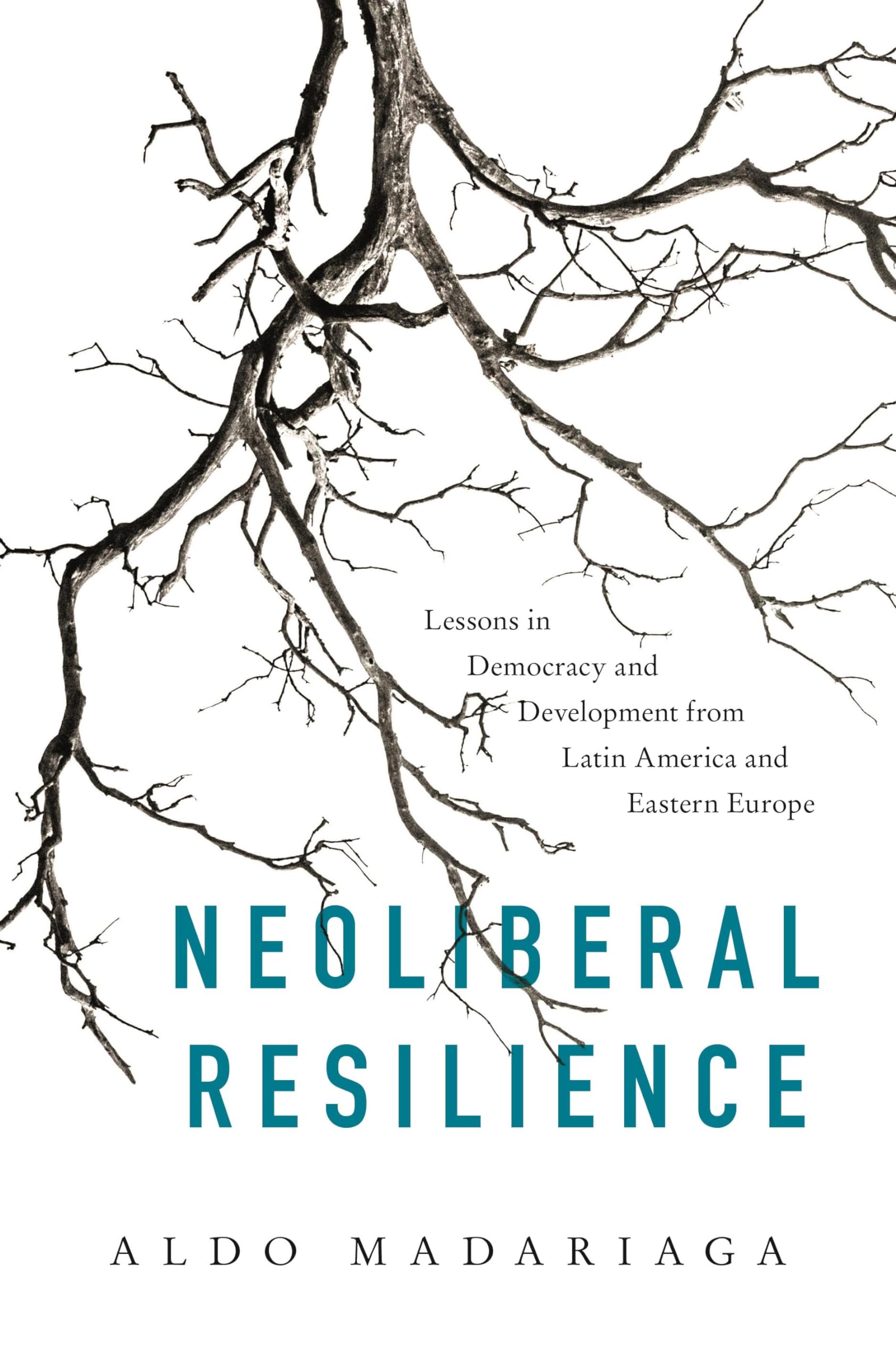
Neoliberal Resilience: Lessons in Democracy and Development from Latin America and Eastern Europe,Used
Sold by Ergodebooks, an authorized reseller.
Returns accepted within 30 days | support@ergodebooks.com
Shipping Information
- Free Standard Shipping — United States only
- Processing Time: 3–5 business days
- Estimated Delivery: 6–10 business days after dispatch
- Double-boxed, fully insured & discreetly packaged
- Tracking number sent via email once dispatched
Returns & Refund
Returns accepted within 30 days of delivery.
Damaged or Defective Item
Free return shipping + replacement or full refund
Wrong Item Received
Free return shipping + replacement or full refund
Change of Mind
Return shipping at customer's expense · 25% restocking fee applies
Payment Option

An exploration of the factors behind neoliberalisms resilience in developing economies and what this could mean for democracys futureSince the 1980s, neoliberalism has withstood repeated economic shocks and financial crises to become the hegemonic economic policy worldwide. Why has neoliberalism remained so resilient? What is the relationship between this resiliency and the backsliding of Western democracy? Can democracy survive an increasingly authoritarian neoliberal capitalism? Neoliberal Resilience answers these questions by bringing the developing worlds recent history to the forefront of our thinking about democratic capitalisms future.Looking at four decades of change in four countries once considered to be leading examples of effective neoliberal policy in Latin America and Eastern EuropeArgentina, Chile, Estonia, and PolandAldo Madariaga examines the domestic actors and institutions responsible for defending neoliberalism. Delving into neoliberalisms political power, Madariaga demonstrates that it is strongest in countries where traditional democratic principles have been slowly and purposefully weakened. He identifies three mechanisms through which coalitions of political, institutional, and financial forces have propagated neoliberalisms success: the privatization of state companies to create a supporting business class, the use of political institutions to block the representation of alternatives in congress, and the constitutionalization of key economic policies to shield them from partisan influence. Madariaga reflects on todays most pressing issues, including the influence of increasing austerity measures and the rise of populism.A comparative exploration of political economics at the peripheries of global capitalism, Neoliberal Resilience investigates the tensions between neoliberalisms longevity and democracys gradual decline.
⚠️ WARNING (California Proposition 65):
This product may contain chemicals known to the State of California to cause cancer, birth defects, or other reproductive harm.
For more information, please visit www.P65Warnings.ca.gov.