
Title
Neovictorian Tropes Of Trauma: The Politics Of Bearing Afterwitness To Nineteenthcentury Suffering (Neovictorian, 1),Used
Sold by Ergodebooks, an authorized reseller.
Returns accepted within 30 days | support@ergodebooks.com
Shipping Information
- Free Standard Shipping — United States only
- Processing Time: 3–5 business days
- Estimated Delivery: 6–10 business days after dispatch
- Double-boxed, fully insured & discreetly packaged
- Tracking number sent via email once dispatched
Returns & Refund
Returns accepted within 30 days of delivery.
Damaged or Defective Item
Free return shipping + replacement or full refund
Wrong Item Received
Free return shipping + replacement or full refund
Change of Mind
Return shipping at customer's expense · 25% restocking fee applies
Payment Option

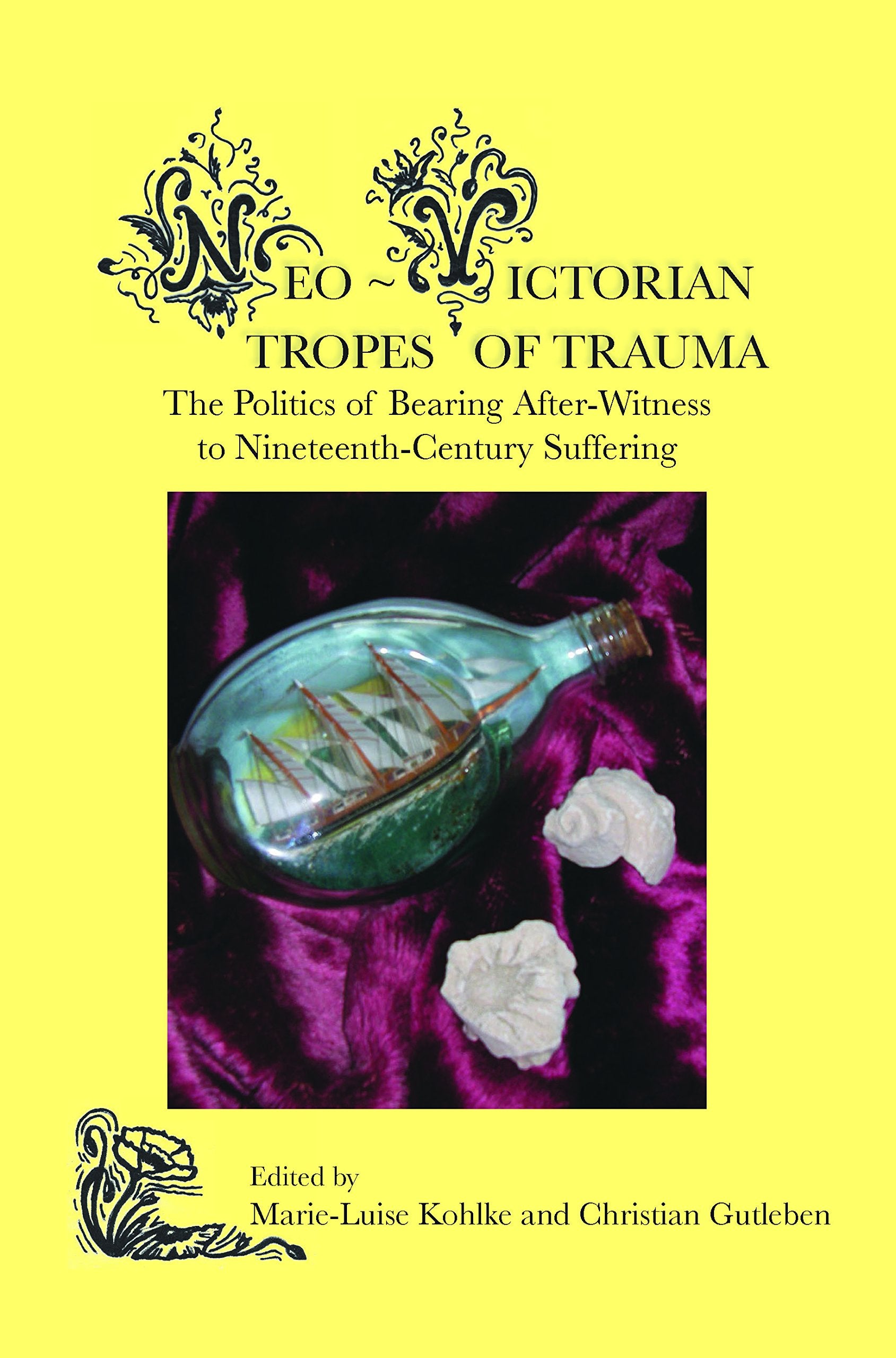
This collection constitutes the first volume in Rodopis NeoVictorian Series, which explores the prevalent but often problematic revision of the long nineteenth century in contemporary culture. Here is presented for the first time an extended analysis of the conjunction of neoVictorian fiction and trauma discourse, highlighting the significant interventions in collective memory staged by the belated aesthetic workingthrough of historical catastrophes, as well as their lingering traces in the present. The neoVictorians privileging of marginalised voices and its contestation of masternarratives of historical progress construct a patchwork of competing but equally legitimate versions of the past, highlighting ongoing crises of existential extremity, truth and meaning, nationhood and subjectivity. This volume will be of interest to both researchers and students of the growing field of neoVictorian studies, as well as scholars in memory studies, trauma theory, ethics, and heritage studies. It interrogates the ideological processes of commemoration and forgetting and queries how the suffering of cultural and temporal others should best be represented, so as to resist the temptations of exploitative appropriation and voyeuristic spectacle. Such precarious negotiations foreground a central paradox: the ethical imperative to bear afterwitness to historys silenced victims in the face of the potential unrepresentability of extreme suffering.
⚠️ WARNING (California Proposition 65):
This product may contain chemicals known to the State of California to cause cancer, birth defects, or other reproductive harm.
For more information, please visit www.P65Warnings.ca.gov.
- Q: How many pages does this book have? A: This book has four hundred eighteen pages. It provides an extensive exploration of neo-Victorian themes and trauma discourse.
- Q: What is the binding type of this book? A: The binding type is paperback. This makes it lightweight and flexible for easy reading.
- Q: What are the dimensions of the book? A: The book measures five point nine eight inches in length, zero point nine four inches in width, and nine point zero two inches in height.
- Q: Who is the author of this book? A: The author is Marie-Luise Kohlke. She is known for her contributions to neo-Victorian studies and trauma theory.
- Q: What category does this book belong to? A: This book belongs to the category of Movements and Periods. It specifically addresses neo-Victorian themes.
- Q: What is the main theme of this book? A: The main theme is the politics of bearing after-witness to historical suffering. It explores the intersection of fiction and trauma.
- Q: Is this book suitable for students? A: Yes, this book is suitable for students. It is valuable for those studying neo-Victorian literature and trauma discourse.
- Q: Can this book be used for research? A: Yes, this book can be used for research. It provides significant insights into collective memory and historical narratives.
- Q: Is there a focus on marginalized voices in this book? A: Yes, the book emphasizes the privilege of marginalized voices. It contests master-narratives of historical progress.
- Q: What kind of analysis is presented in this book? A: The book presents an extended analysis of neo-Victorian fiction and trauma discourse. It discusses the aesthetic working-through of historical catastrophes.
- Q: Does this book address the ethical implications of representation? A: Yes, it interrogates the ethical processes of commemoration and forgetting. It raises questions about representing cultural suffering.
- Q: Is there a specific target audience for this book? A: Yes, the target audience includes researchers and students in neo-Victorian studies. Scholars in memory studies and trauma theory may also find it useful.
- Q: How does this book contribute to understanding trauma? A: The book contributes by highlighting the lingering traces of historical suffering in contemporary culture. It explores the complexities of trauma representation.
- Q: Is this book part of a series? A: Yes, this book is the first volume in Rodopi's Neo-Victorian Series. The series explores themes related to the long nineteenth century.
- Q: What is the publisher of this book? A: The publisher is Brill Academic Publishing. They are known for their scholarly contributions in various fields.
- Q: Are there any notable features of this book? A: One notable feature is that it is a used book in good condition. This may appeal to environmentally conscious readers.