
Title
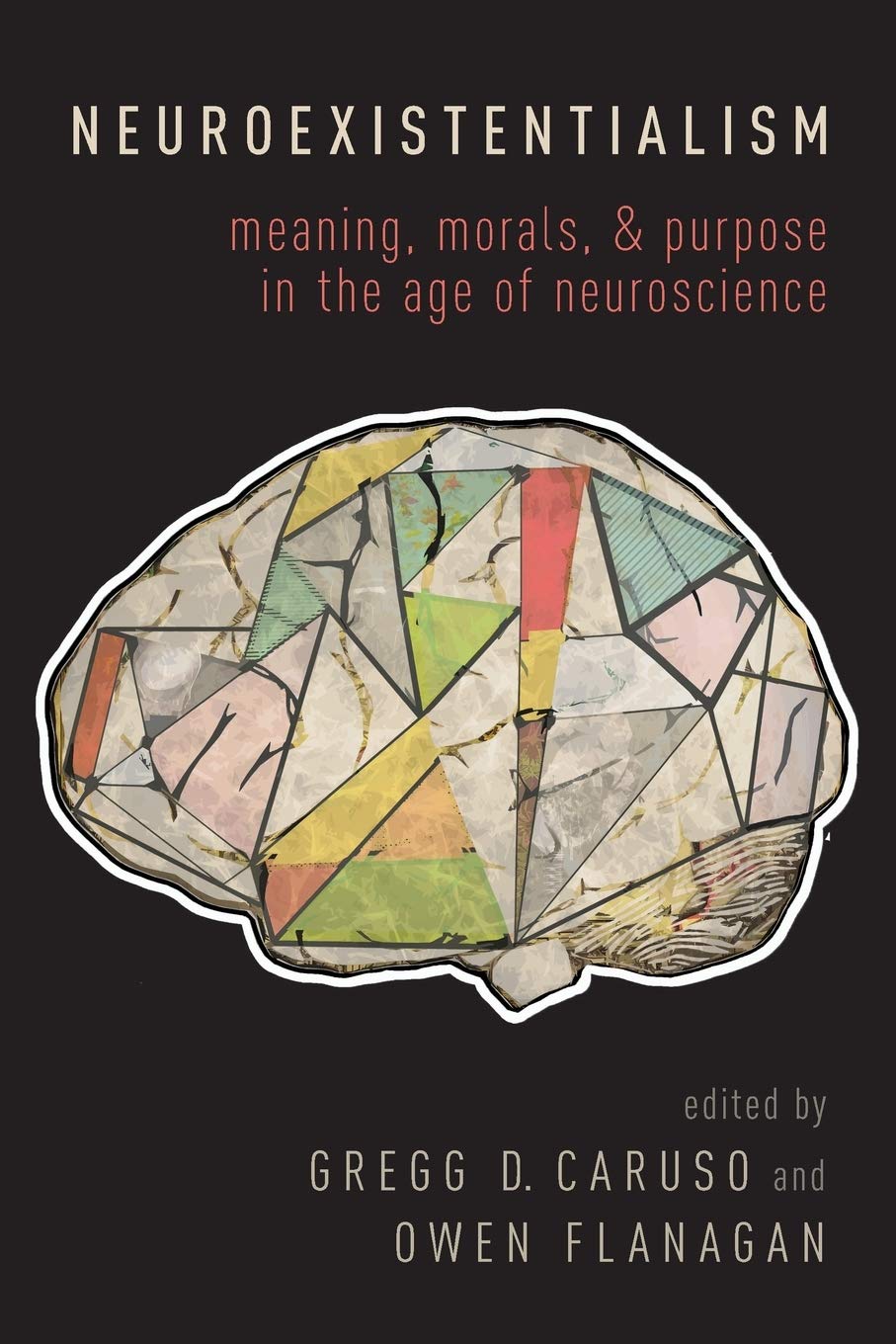
Neuroexistentialism: Meaning, Morals, and Purpose in the Age of Neuroscience,Used
Sold by Ergodebooks, an authorized reseller.
Returns accepted within 30 days | support@ergodebooks.com
Shipping Information
- Free Standard Shipping — United States only
- Processing Time: 3–5 business days
- Estimated Delivery: 6–10 business days after dispatch
- Double-boxed, fully insured & discreetly packaged
- Tracking number sent via email once dispatched
Returns & Refund
Returns accepted within 30 days of delivery.
Damaged or Defective Item
Free return shipping + replacement or full refund
Wrong Item Received
Free return shipping + replacement or full refund
Change of Mind
Return shipping at customer's expense · 25% restocking fee applies
Payment Option

Existentialisms arise when the foundations of being, such as meaning, morals, and purpose come under assault. In the firstwave of existentialism, writings typified by Kierkegaard, Dostoevsky, and Nietzsche concerned the increasingly apparent inability of religion, and religious tradition, to support a foundation of being. Secondwave existentialism, personified philosophically by Sartre, Camus, and de Beauvoir, developed in response to similar realizations about the overly optimistic Enlightenment vision of reason and the common good.The thirdwave of existentialism, a new existentialism, developed in response to advances in the neurosciences that threaten the last vestiges of an immaterial soul or self. Given the increasing explanatory and therapeutic power of neuroscience, the mind no longer stands apart from the world to serve as a foundation of meaning. This produces foundational anxiety.In Neuroexistentialism, a group of contributors that includes some of the world's leading philosophers, neuroscientists, cognitive scientists, and legal scholars, explores the anxiety caused by thirdwave existentialism and possible responses to it. Together, these essays tackle our neuroexistentialist predicament, and explore what the mind sciences can tell us about morality, love, emotion, autonomy, consciousness, selfhood, free will, moral responsibility, law, the nature of criminal punishment, meaning in life, and purpose.
⚠️ WARNING (California Proposition 65):
This product may contain chemicals known to the State of California to cause cancer, birth defects, or other reproductive harm.
For more information, please visit www.P65Warnings.ca.gov.