If you have any questions, you are always welcome to contact us. We'll get back to you as soon as possible, withing 24 hours on weekdays.
Customer service
All questions about your order, return and delivery must be sent to our customer service team by e-mail at yourstore@yourdomain.com
Sale & Press
If you are interested in selling our products, need more information about our brand or wish to make a collaboration, please contact us at press@yourdomain.com
Help
If you have any questions, you are always welcome to contact us. We'll get back to you as soon as possible, withing 24 hours on weekdays.
Customer service
All questions about your order, return and delivery must be sent to our customer service team by e-mail at yourstore@yourdomain.com
Sale & Press
If you are interested in selling our products, need more information about our brand or wish to make a collaboration, please contact us at press@yourdomain.com
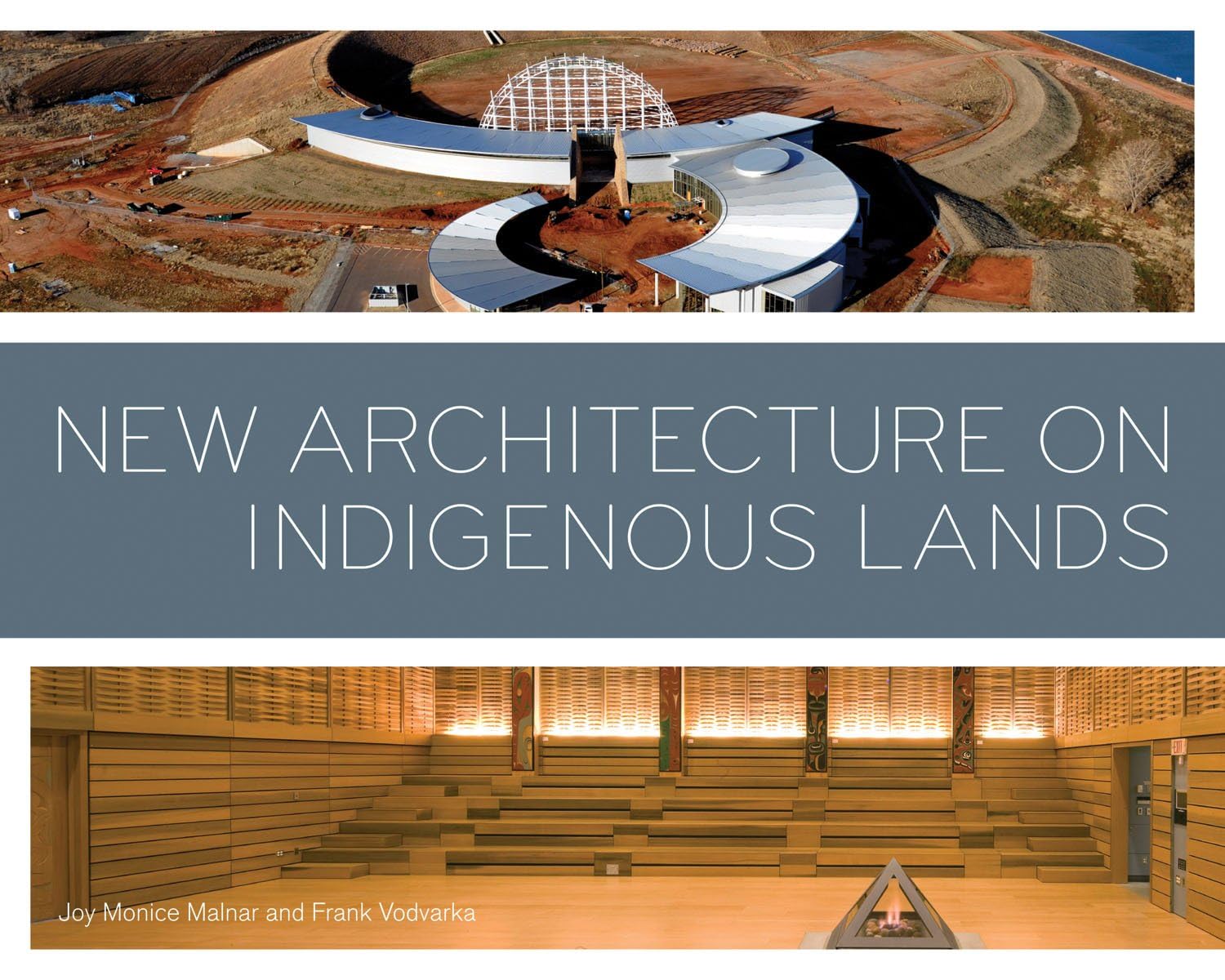
Black Elk speaks of the square boxes his people were forced into, and Winona LaDuke of the boxes of mints on Native lands. As long as the government was deciding what tribal buildings should look like, Native custom and culture were bound to be boxed inor boxed out. But in the post1996 era of more flexible housing policies, Native peoples have assumed a key role in the design of buildings on tribal lands. The result is an architecture that finally accords with the traditions and ideas of the people who inhabit it.A virtual tour of recent Native building projects in Canada and the western and midwestern United States, New Architecture on Indigenous Lands conducts readers through cultural centers and schools, clinics and housing, and even a sugar camp, all while showing how tribal identity is manifested in various distinctive ways. Focusing on such sites as the Tribal Council Chambers of the Pojoaque Pueblo; the Zuni Eagle Sanctuary in New Mexico; the NkMip Desert Cultural Centre in Osoyoos, British Columbia; and the Tlisalagilakw Elementary School, Joy Monice Malnar and Frank Vodvarka offer wideranging insights into the sensory, symbolic, cultural, and environmental contexts of this new architecture.With close attention to details of design, questions of tradition, and cultural issues, and through interviews with designers and their Native clients, the authors provide an indepth introduction to the new Native architecture in its many guisesand a rare chance to appreciate its aesthetic power.
⚠️ WARNING (California Proposition 65):
This product may contain chemicals known to the State of California to cause cancer,
birth defects, or other reproductive harm.
For MAP (Minimum Advertised Price) violations and Intellectual Property (IP) or Trademark concerns, please contact:
support@ergodebooks.com
⚠️ California Proposition 65 Warning: Some products sold on this website may expose you to chemicals known to the State of California to cause cancer, birth defects, or other reproductive harm. For more information, visit www.P65Warnings.ca.gov.