If you have any questions, you are always welcome to contact us. We'll get back to you as soon as possible, withing 24 hours on weekdays.
Customer service
All questions about your order, return and delivery must be sent to our customer service team by e-mail at yourstore@yourdomain.com
Sale & Press
If you are interested in selling our products, need more information about our brand or wish to make a collaboration, please contact us at press@yourdomain.com
Help
If you have any questions, you are always welcome to contact us. We'll get back to you as soon as possible, withing 24 hours on weekdays.
Customer service
All questions about your order, return and delivery must be sent to our customer service team by e-mail at yourstore@yourdomain.com
Sale & Press
If you are interested in selling our products, need more information about our brand or wish to make a collaboration, please contact us at press@yourdomain.com
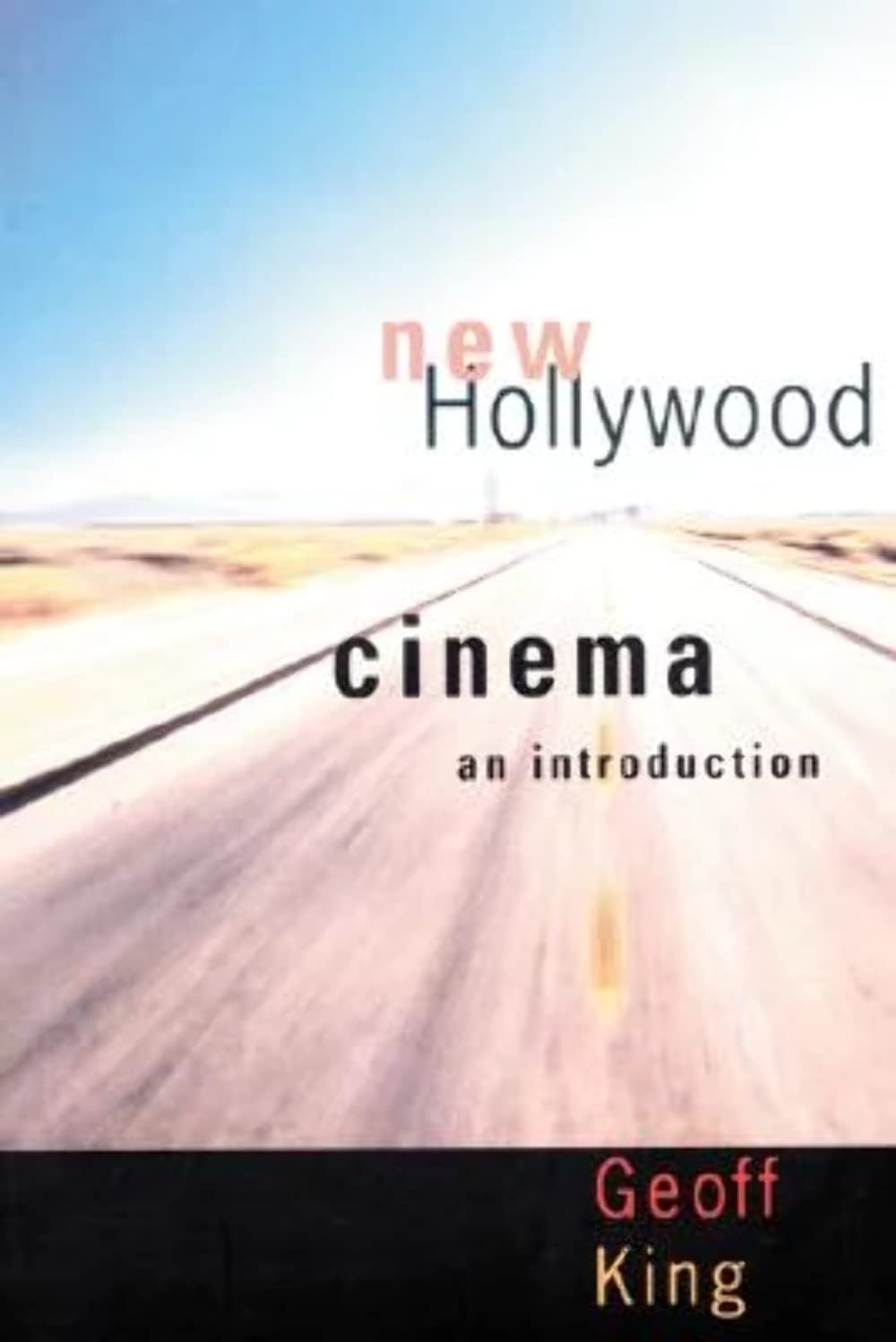
What is 'New Hollywood'? The 'art' cinema of the Hollywood 'Renaissance' or the corporate controlled blockbuster? The introverted world of Travis Bickle or the action heroics of Indiana Jones, Buzz Lightyear, and Maximus the Gladiator? Innovative departures from the 'classical' Hollywood style or superficial glitz, special effects, and borrowings from MTV? Wholesale change or important continuities with Hollywood's past? The answer suggested by Geoff King in New Hollywood Cinema is all of these and more. He examines New Hollywood from three main perspectives: film style, industry, and the socialhistorical context. Each is considered in its own right, sometimes resulting in different ways of defining New Hollywood. But one of the book's central arguments is that a combination of these approaches is needed if we are to understand the latest incarnations of the cinema that continues to dominate the global market.King looks at the Hollywood 'Renaissance' from the late 1960s to the late 1970s, industrial factors shaping the construction of the corporate blockbuster, the role of auteur directors, genre and stardom in New Hollywood, narrative and spectacle in the contemporary blockbuster, and the relationship between production for the big and small screens.Case studies considered include Taxi Driver, Godzilla, and Gladiator, tracing the roots of New Hollywood from the 1950s to the start of the twentyfirst century.
⚠️ WARNING (California Proposition 65):
This product may contain chemicals known to the State of California to cause cancer,
birth defects, or other reproductive harm.
For MAP (Minimum Advertised Price) violations and Intellectual Property (IP) or Trademark concerns, please contact:
support@ergodebooks.com
⚠️ California Proposition 65 Warning: Some products sold on this website may expose you to chemicals known to the State of California to cause cancer, birth defects, or other reproductive harm. For more information, visit www.P65Warnings.ca.gov.