
Title
New Languages of the State: Indigenous Resurgence and the Politics of Knowledge in Bolivia (Narrating Native Histories),New
Sold by Ergodebooks, an authorized reseller.
Returns accepted within 30 days | support@ergodebooks.com
Shipping Information
- Free Standard Shipping — United States only
- Processing Time: 3–5 business days
- Estimated Delivery: 6–10 business days after dispatch
- Double-boxed, fully insured & discreetly packaged
- Tracking number sent via email once dispatched
Returns & Refund
Returns accepted within 30 days of delivery.
Damaged or Defective Item
Free return shipping + replacement or full refund
Wrong Item Received
Free return shipping + replacement or full refund
Change of Mind
Return shipping at customer's expense · 25% restocking fee applies
Payment Option

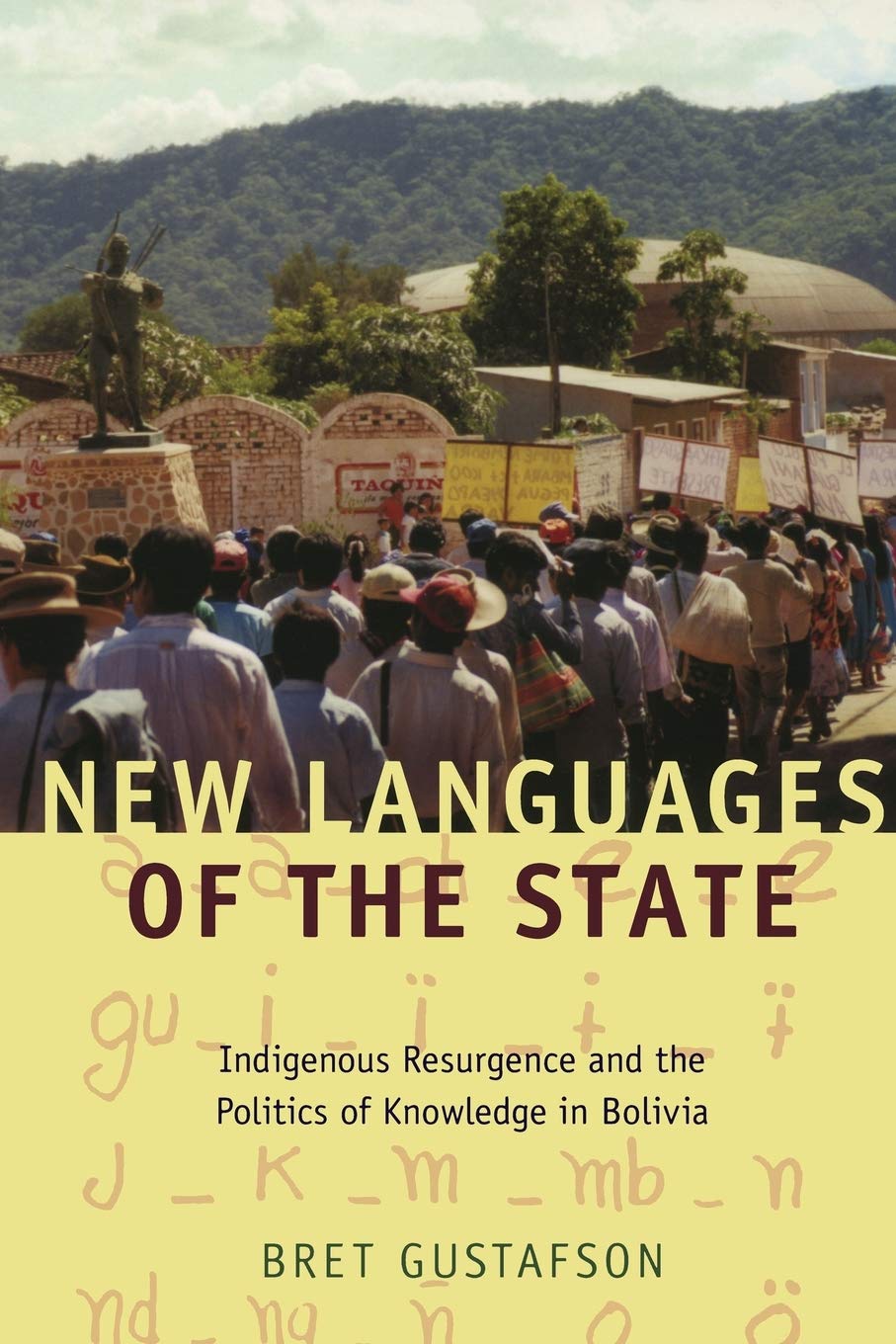
During the mid1990s, a bilingual intercultural education initiative was launched to promote the introduction of indigenous languages alongside Spanish in public elementary schools in Bolivias indigenous regions. Bret Gustafson spent fourteen years studying and working in southeastern Bolivia with the Guarani, who were at the vanguard of the movement for bilingual education. Drawing on his collaborative work with indigenous organizations and bilingualeducation activists as well as more traditional ethnographic research, Gustafson traces two decades of indigenous resurgence and education politics in Bolivia, from the 1980s through the election of Evo Morales in 2005. Bilingual education was a component of education reform linked to foreignaid development mandates, and foreign aid workers figure in New Languages of the State, as do teachers and their unions, transnational intellectual networks, and assertive indigenous political and intellectual movements across the Andes.Gustafson shows that bilingual education is an issue that extends far beyond the classroom. Public schools are at the center of a broader battle over territory, power, and knowledge as indigenous movements across Latin America actively defend their languages and knowledge systems. In attempting to decolonize nationstates, the indigenous movements are challenging deeprooted colonial racism and neoliberal reforms intended to mold public education to serve the market. Meanwhile, market reformers nominally embrace cultural pluralism while implementing political and economic policies that exacerbate inequality. Juxtaposing Guarani life, language, and activism with intimate portraits of reform politics among academics, bureaucrats, and others in and beyond La Paz, Gustafson illuminates the issues, strategic dilemmas, and imperfect alliances behind bilingual intercultural education.
⚠️ WARNING (California Proposition 65):
This product may contain chemicals known to the State of California to cause cancer, birth defects, or other reproductive harm.
For more information, please visit www.P65Warnings.ca.gov.