If you have any questions, you are always welcome to contact us. We'll get back to you as soon as possible, withing 24 hours on weekdays.
Customer service
All questions about your order, return and delivery must be sent to our customer service team by e-mail at yourstore@yourdomain.com
Sale & Press
If you are interested in selling our products, need more information about our brand or wish to make a collaboration, please contact us at press@yourdomain.com
Help
If you have any questions, you are always welcome to contact us. We'll get back to you as soon as possible, withing 24 hours on weekdays.
Customer service
All questions about your order, return and delivery must be sent to our customer service team by e-mail at yourstore@yourdomain.com
Sale & Press
If you are interested in selling our products, need more information about our brand or wish to make a collaboration, please contact us at press@yourdomain.com
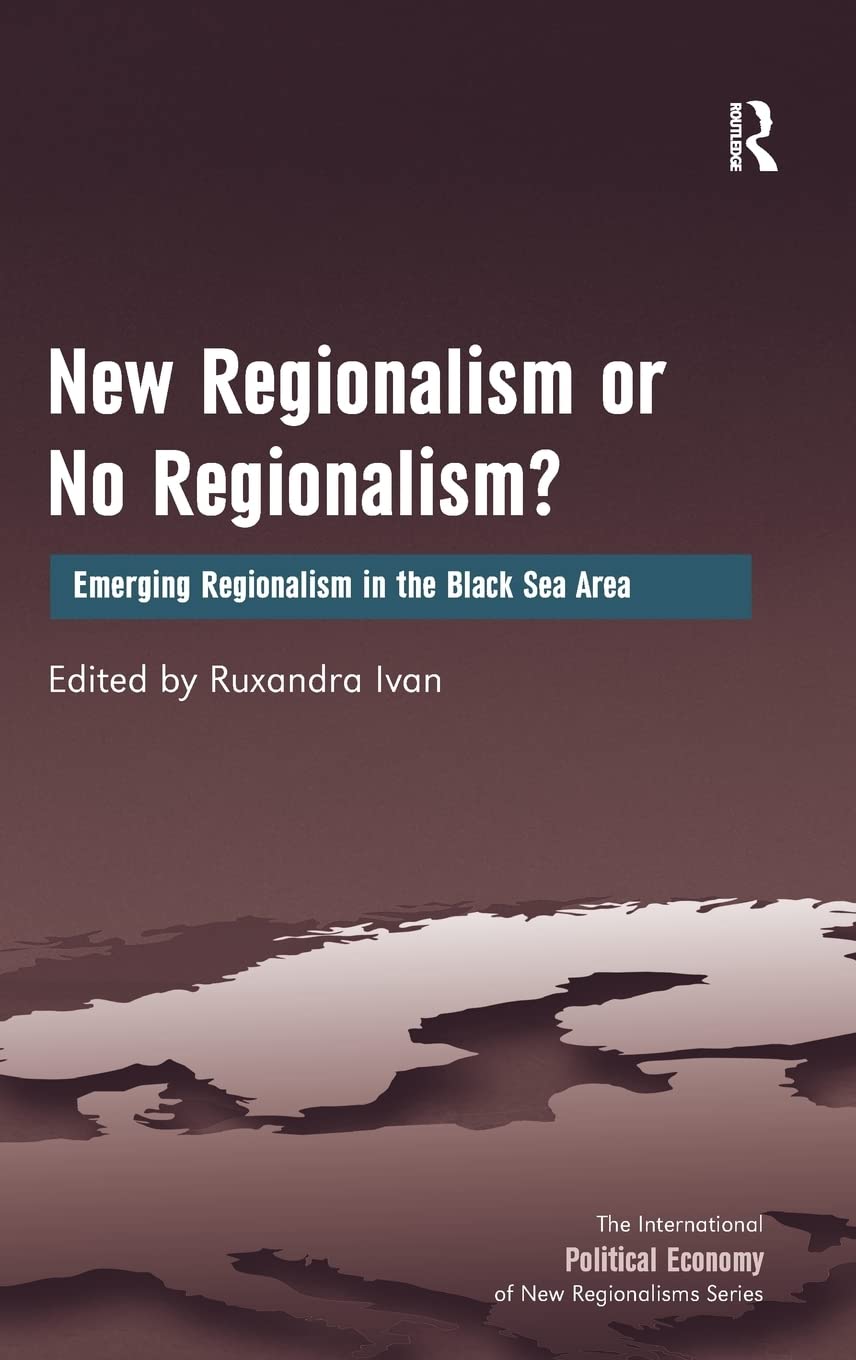
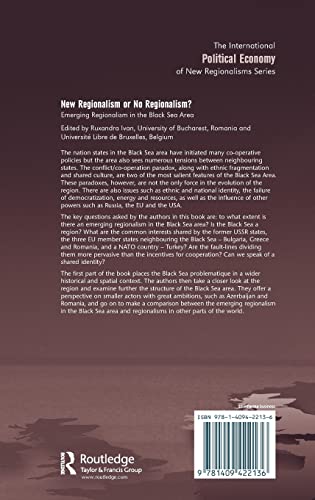
The nation states in the Black Sea area have initiated many cooperative policies but the area also sees numerous tensions between neighboring states. The conflictcooperation paradox, along with ethnic fragmentation and shared culture, are two of the most salient features of the Black Sea Area. These paradoxes are not the only force in the evolution of the region though. There are also issues such as ethnic and national identity, the failure of democratization, energy and resources, as well as the influence of other powers such as Russia, the EU and the USA. The key questions asked by the authors in this book are: to what extent is there an emerging regionalism in the Black Sea area? Is the Black Sea a region? What are the common interests shared by the former USSR states, the three EU member states neighboring the Black Sea Bulgaria, Greece and Romania, and a NATO country Turkey? Are the faultlines dividing them more pervasive than the incentives for cooperation? Can we speak of a shared identity? The first part of the book places the Black Sea problematique in a wider historical and spatial context. The authors then take a closer look at the region and examine further the structure of the Black Sea area. They offer a perspective on smaller actors with great ambitions, such as Azerbaijan and Romania, and go on to make a comparison between the emerging regionalism in the Black Sea area and regionalisms in other parts of the world.
⚠️ WARNING (California Proposition 65):
This product may contain chemicals known to the State of California to cause cancer,
birth defects, or other reproductive harm.
For MAP (Minimum Advertised Price) violations and Intellectual Property (IP) or Trademark concerns, please contact:
support@ergodebooks.com
⚠️ California Proposition 65 Warning: Some products sold on this website may expose you to chemicals known to the State of California to cause cancer, birth defects, or other reproductive harm. For more information, visit www.P65Warnings.ca.gov.