
Title
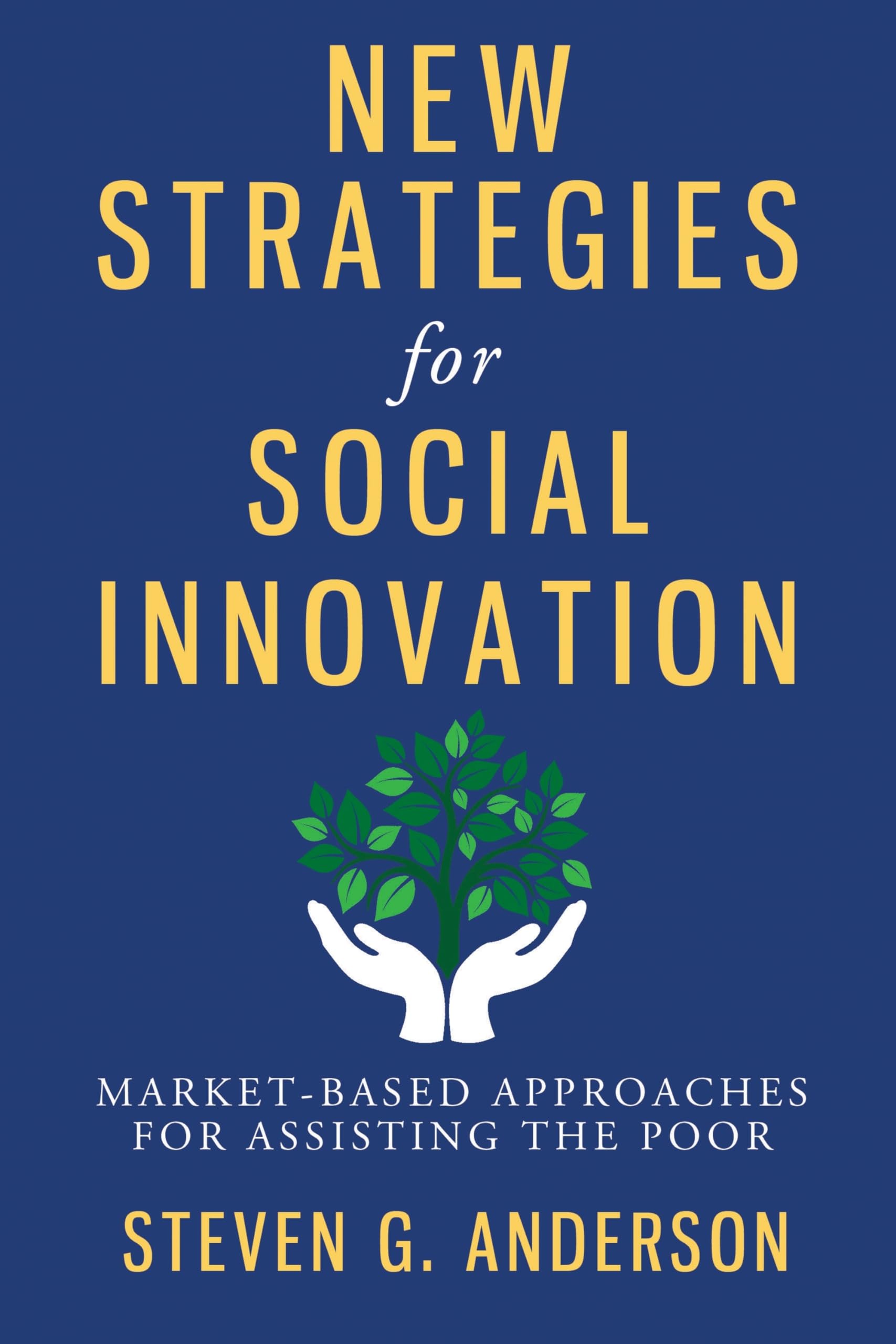
New Strategies for Social Innovation: MarketBased Approaches for Assisting the Poor,Used
Sold by Ergodebooks, an authorized reseller.
Returns accepted within 30 days | support@ergodebooks.com
Shipping Information
- Free Standard Shipping — United States only
- Processing Time: 3–5 business days
- Estimated Delivery: 6–10 business days after dispatch
- Double-boxed, fully insured & discreetly packaged
- Tracking number sent via email once dispatched
Returns & Refund
Returns accepted within 30 days of delivery.
Damaged or Defective Item
Free return shipping + replacement or full refund
Wrong Item Received
Free return shipping + replacement or full refund
Change of Mind
Return shipping at customer's expense · 25% restocking fee applies
Payment Option

Marketbased development strategies designed to help the world's poor receive significant support from advocates, academics, governments, and the media, yet frequently the perceived success of these programs rests on carefully selected examples and onesided, enthusiastic accounts. In practice, these approaches are often poorly defined and executed, with little balanced, comparative analysis of their true strengths and weaknesses.This book is the first to assess emerging marketbased social change approaches comparatively, focusing specifically on social entrepreneurship, corporate social responsibility, fair trade, and private sustainable development. Steven G. Anderson begins by identifying the problems these programs address and then describes their core, shared principles. He follows with a general framework for defining and evaluating these and other development approaches. Separate chapters provide background on the historical development and application of each approach, as well as interpretations of the processes for implementation and the underlying behavioral assumptions related to successful outcomes. A final chapter compares each approach across a set of important program development dimensions and analyzes the utility of marketbased approaches as part of a general consideration of social development strategies for the developing world.
⚠️ WARNING (California Proposition 65):
This product may contain chemicals known to the State of California to cause cancer, birth defects, or other reproductive harm.
For more information, please visit www.P65Warnings.ca.gov.