
Title
NGOs as Newsmakers: The Changing Landscape of International News (Reuters Institute Global Journalism Series),New
Sold by Ergodebooks, an authorized reseller.
Returns accepted within 30 days | support@ergodebooks.com
Shipping Information
- Free Standard Shipping — United States only
- Processing Time: 3–5 business days
- Estimated Delivery: 6–10 business days after dispatch
- Double-boxed, fully insured & discreetly packaged
- Tracking number sent via email once dispatched
Returns & Refund
Returns accepted within 30 days of delivery.
Damaged or Defective Item
Free return shipping + replacement or full refund
Wrong Item Received
Free return shipping + replacement or full refund
Change of Mind
Return shipping at customer's expense · 25% restocking fee applies
Payment Option

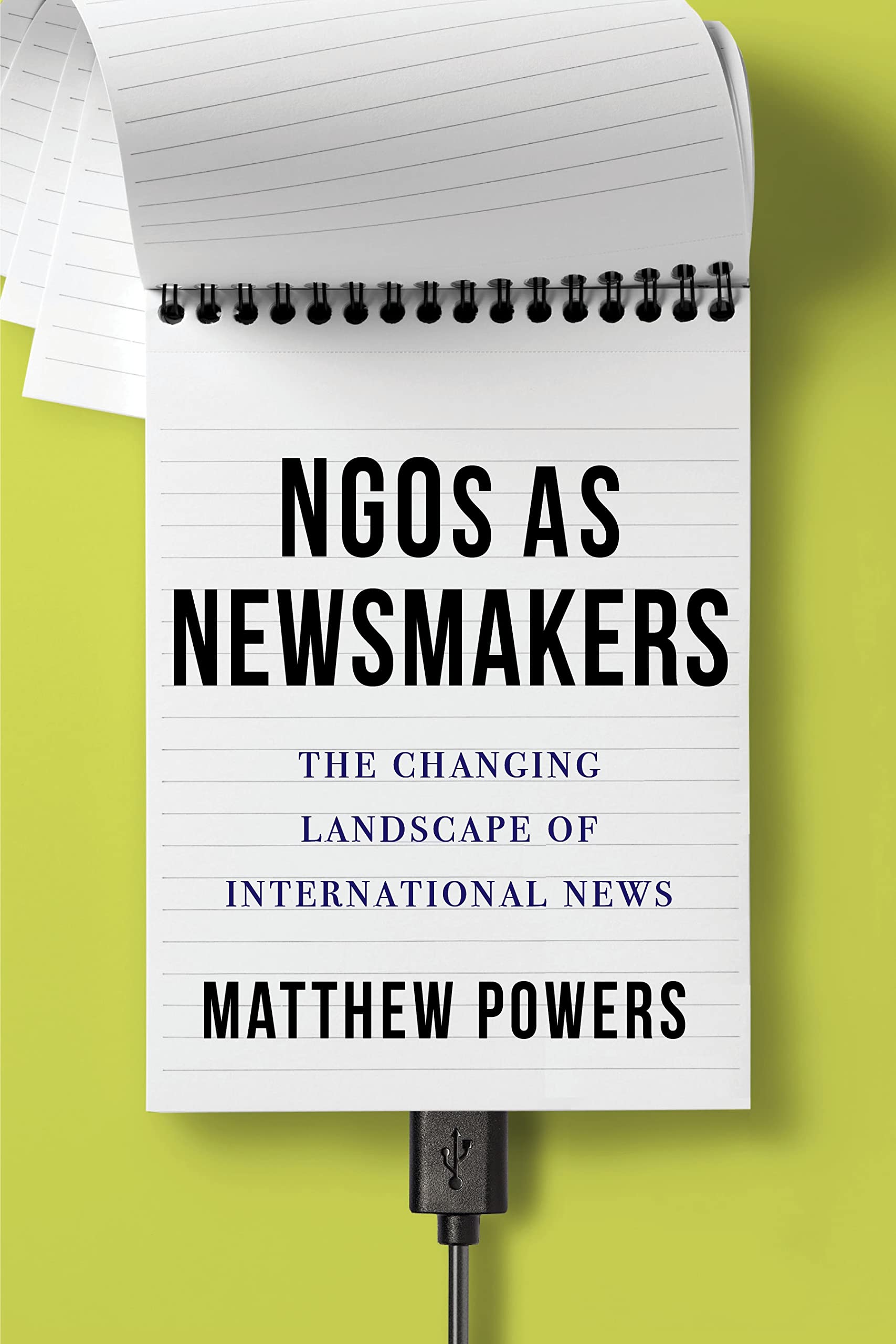
As traditional news outlets international coverage has waned, several prominent nongovernmental organizations have taken on a growing number of seemingly journalistic functions. Groups such as Amnesty International, Human Rights Watch, and Mdecins Sans Frontires send reporters to gather information and provide analysis and assign photographers and videographers to boost the visibility of their work. Digital technologies and social media have increased the potential for NGOs to communicate directly with the public, bypassing traditional gatekeepers. But have these efforts changed and expanded traditional news practices and coverageand are there consequences to blurring the lines between reporting and advocacy?In NGOs as Newsmakers, Matthew Powers analyzes the growing role NGOs play in shapingand sometimes directly producinginternational news. Drawing on interviews, observations, and content analysis, he charts the dramatic growth in NGO newsmaking efforts, examines whether these efforts increase the organizations' chances of garnering news coverage, and analyzes the effects of digital technologies on publicity strategies. Although the contemporary media environment offers NGOs greater opportunities to shape the news, Powers finds, it also subjects them to newsmedia norms. While advocacy groups can and do provide coverage of otherwise ignored places and topics, they are still dependent on traditional media and political elites and influenced by the expectations of donors, officials, journalists, and NGOs themselves. Through an unprecedented glimpse into NGOs newsmaking efforts, Powers portrays the possibilities and limits of NGOs as newsmakers amid the transformations of international news, with important implications for the intersections of journalism and advocacy.
⚠️ WARNING (California Proposition 65):
This product may contain chemicals known to the State of California to cause cancer, birth defects, or other reproductive harm.
For more information, please visit www.P65Warnings.ca.gov.