
Title
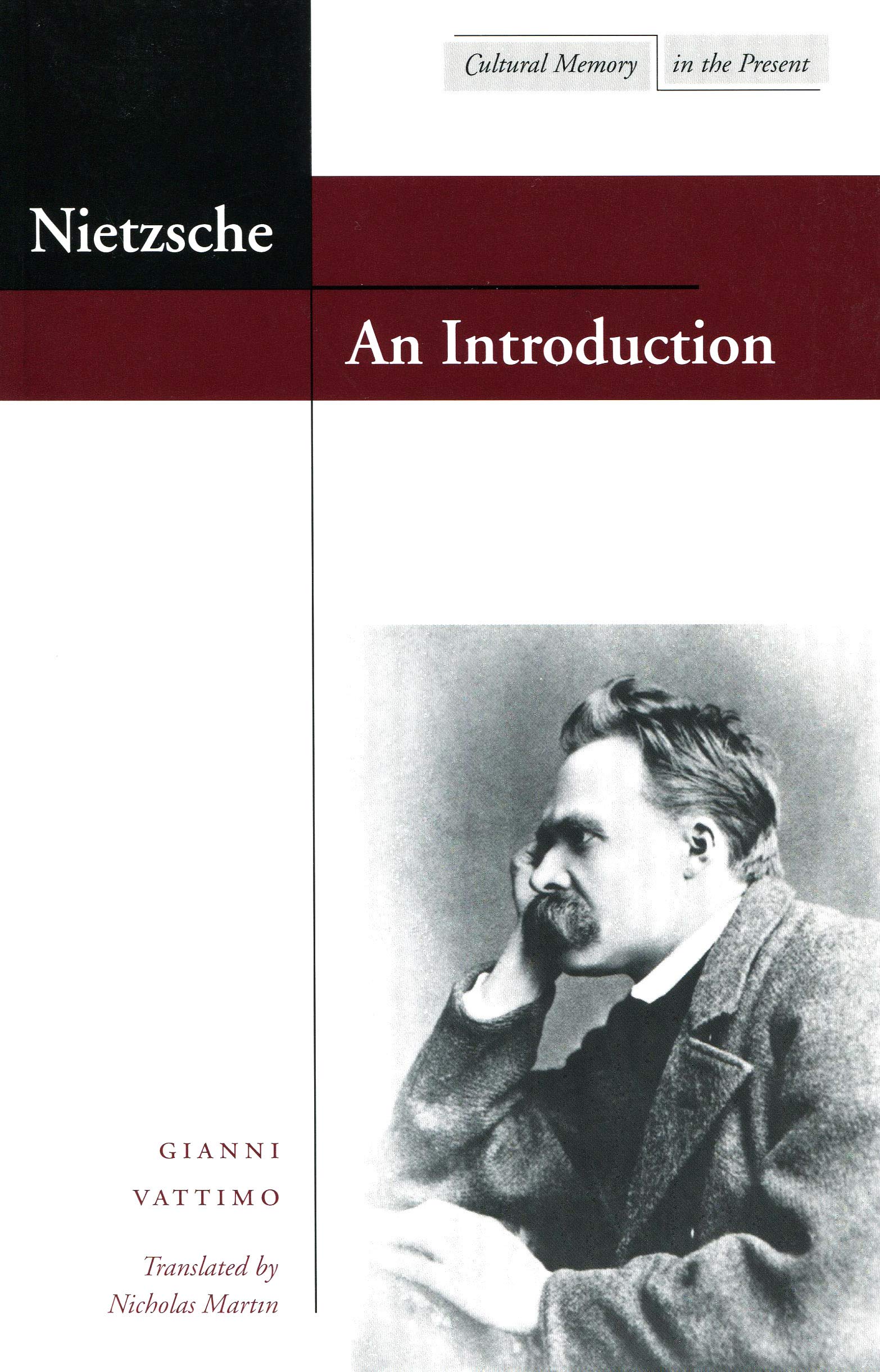
Nietzsche: An Introduction (Cultural Memory In The Present),New
Sold by Ergodebooks, an authorized reseller.
Returns accepted within 30 days | support@ergodebooks.com
Shipping Information
- Free Standard Shipping — United States only
- Processing Time: 3–5 business days
- Estimated Delivery: 6–10 business days after dispatch
- Double-boxed, fully insured & discreetly packaged
- Tracking number sent via email once dispatched
Returns & Refund
Returns accepted within 30 days of delivery.
Damaged or Defective Item
Free return shipping + replacement or full refund
Wrong Item Received
Free return shipping + replacement or full refund
Change of Mind
Return shipping at customer's expense · 25% restocking fee applies
Payment Option

This book is both a concise and lucid introduction to Nietzsche and an original contribution to critical debates concerning Nietzsche interpretation and reception. This overview takes issue with the prevailing tendency to focus on Nietzsche's later work, which reaches its extreme with Heidegger's almost exclusive focus on the group of late notes posthumously collected as The Will to Power. Vattimo aims to mediate between two prominent hermeneutic readings of Nietzsche: Wilhelm Dilthey's view that Nietzsche's work fits into the nineteenthcentury tradition of the philosophy of life and Heidegger's belief that Nietzsche is best understood as the author of a pair of ontological doctrines, the will to power and the eternal return of the same.Vattimo aims to show that Nietzsche's early interest in cultural and historical criticism can be found throughout his corpus and that it informs, and helps to explain, Nietzsche's later doctrines and writings. This allows us to understand these later doctrines in a deeper way, to see their connections with his wider concerns, and thus to make greater sense of Nietzsche's philosophy as a whole.This working hypothesis guides Vattimo through his elegant exposition of the basic views of the early and late Nietzsche, from the philological beginnings and the musings on Dionysus through the socalled positivist phase of the middle period up to the philosophy of Zarathustra and the fragmented insights that bespeak the will to power. Throughout, Vattimo's intellectual agenda is to present the philosophical relevance of a cultural criticism that does not let itself be reduced to a merely literary presentation of the psychology of decadence and nihilism, or to the grand ontologicalmetaphysical finale that Heidegger had in mind in his monumental Nietzsche studies.As an appendix, Vattimo provides a history of Nietzsche reception in Europe that counters the narrow AngloAmerican bias of much Englishlanguage Nietzsche scholarship.
⚠️ WARNING (California Proposition 65):
This product may contain chemicals known to the State of California to cause cancer, birth defects, or other reproductive harm.
For more information, please visit www.P65Warnings.ca.gov.