
Title
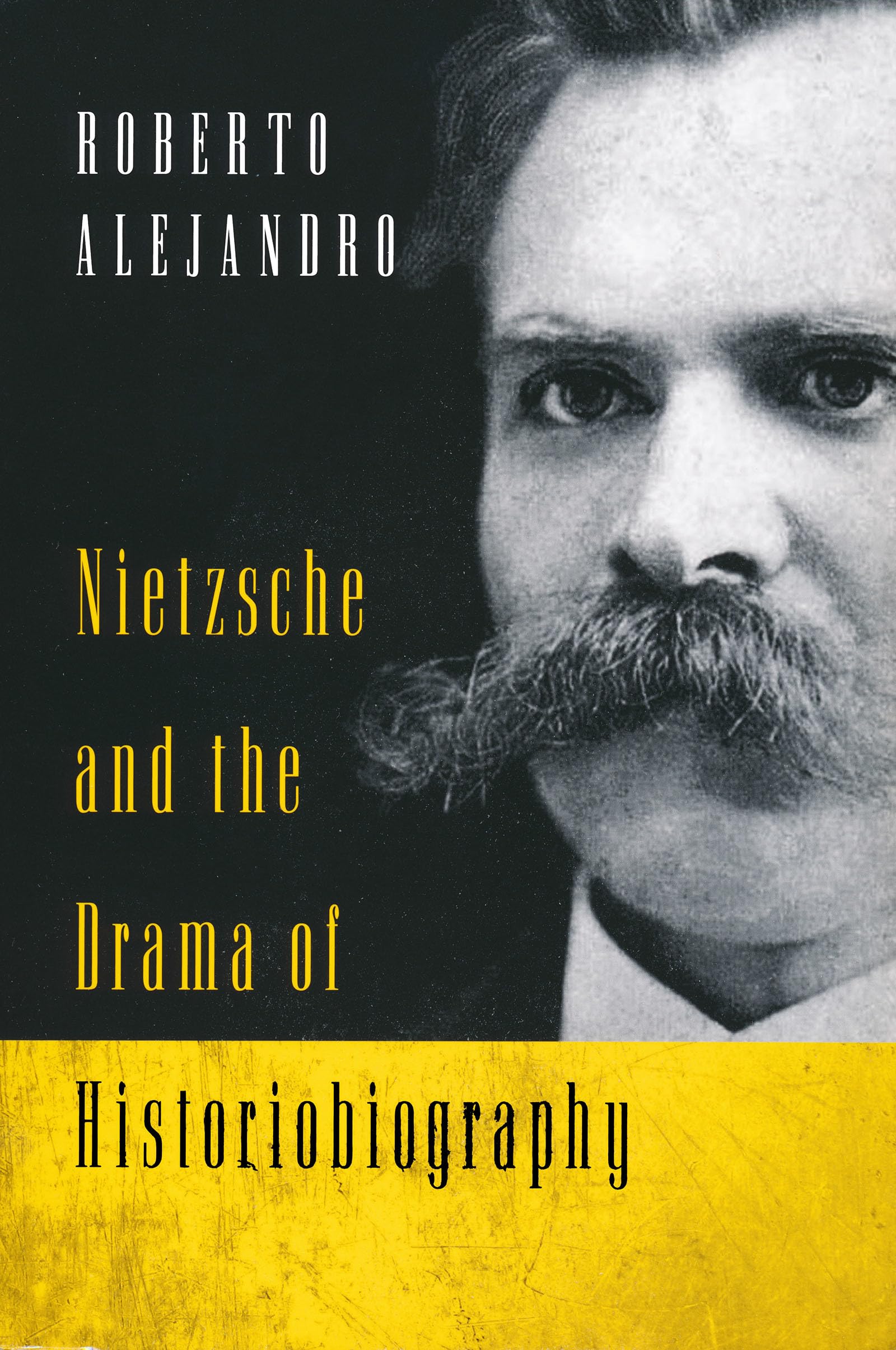
Nietzsche and the Drama of Historiobiography,Used
Sold by Ergodebooks, an authorized reseller.
Returns accepted within 30 days | support@ergodebooks.com
Shipping Information
- Free Standard Shipping — United States only
- Processing Time: 3–5 business days
- Estimated Delivery: 6–10 business days after dispatch
- Double-boxed, fully insured & discreetly packaged
- Tracking number sent via email once dispatched
Returns & Refund
Returns accepted within 30 days of delivery.
Damaged or Defective Item
Free return shipping + replacement or full refund
Wrong Item Received
Free return shipping + replacement or full refund
Change of Mind
Return shipping at customer's expense · 25% restocking fee applies
Payment Option

In this extraordinary contribution to Nietzsche studies, Robert Alejandro offers an original interpretation of Friedrich Nietzsche's philosophy viewed as a complete whole. Alejandro painstakingly traces the different ways in which Nietzsche reconfigured and shifted his analyses of morality and of the human condition, until he was content with the final result: nothing was dispensable; everything was necessary. This is a philosophy of reconciliationhardly nihilismand it is a perspective that is not adequately addressed elsewhere in the literature on Nietzsche.Alejandro traces the evolution of Nietzsche's thought by identifying the different layers of his philosophy, expressed in a complex array of stories and historical narratives. Alejandro analyzes the different stories of Nietzsche, places those stories within a tradition of genealogical theorizing, and interprets both the stories and the genealogy in terms of one of Nietzsche's unique features, his use of 'historiobiography.' According to Alejandro, historiobiography blends the idea of an attunement with all history and one's awareness of this attunement. As a mode of philosophizing, historiobiography allows Nietzsche to view all human history as if it runs through his own life and thoughts. Alejandro argues that Nietzsche deployed three strategies to find relief from his sense of the meaninglessness of life: his magnified concept of what he himself represented in human history, his doctrine of the eternal recurrence, and his philosophy of reconciliation.
⚠️ WARNING (California Proposition 65):
This product may contain chemicals known to the State of California to cause cancer, birth defects, or other reproductive harm.
For more information, please visit www.P65Warnings.ca.gov.