
Title
Nietzsche: The Birth Of Tragedy And Other Writings (Cambridge Texts In The History Of Philosophy),New
Sold by Ergodebooks, an authorized reseller.
Returns accepted within 30 days | support@ergodebooks.com
Shipping Information
- Free Standard Shipping — United States only
- Processing Time: 3–5 business days
- Estimated Delivery: 6–10 business days after dispatch
- Double-boxed, fully insured & discreetly packaged
- Tracking number sent via email once dispatched
Returns & Refund
Returns accepted within 30 days of delivery.
Damaged or Defective Item
Free return shipping + replacement or full refund
Wrong Item Received
Free return shipping + replacement or full refund
Change of Mind
Return shipping at customer's expense · 25% restocking fee applies
Payment Option

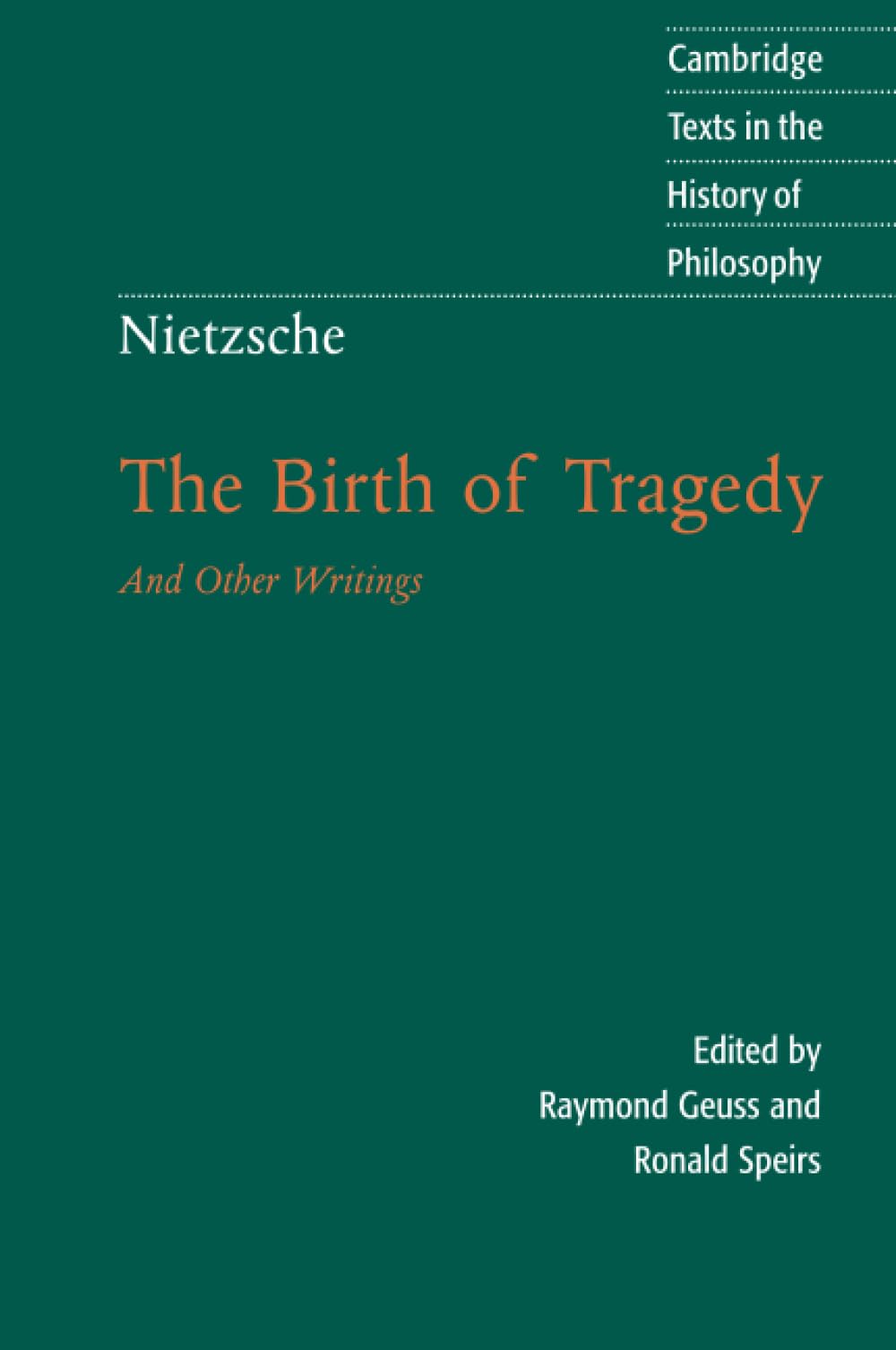
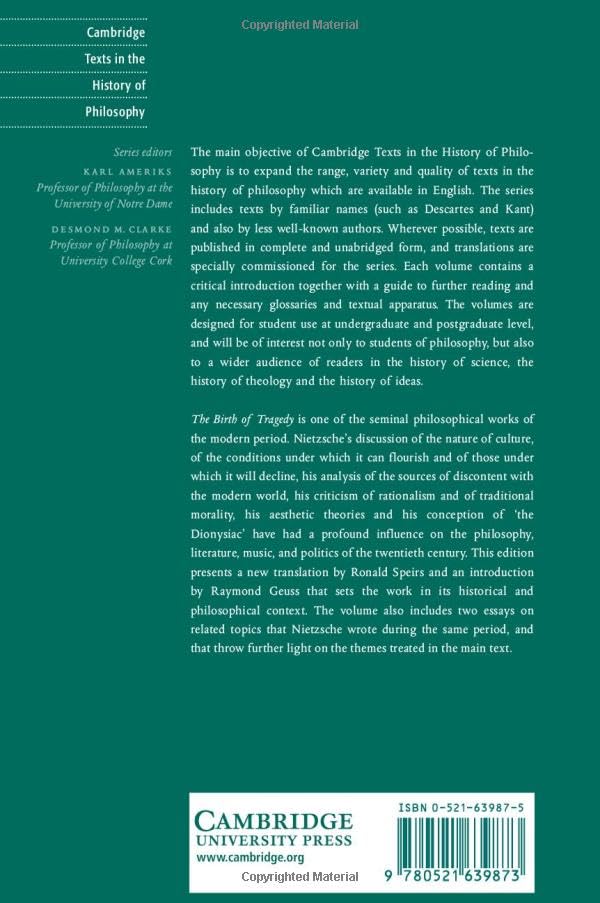
The Birth Of Tragedy Is One Of The Seminal Philosophical Works Of The Modern Period. The Theories Developed In This Relatively Short Text Have Had A Profound Influence On The Philosophy, Literature, Music And Politics Of The Twentieth Century. This Edition Presents A New Translation By Ronald Speirs And An Introduction By Raymond Geuss That Sets The Work In Its Historical And Philosophical Context. The Volume Also Includes Two Essays On Related Topics That Nietzsche Wrote During The Same Period.
⚠️ WARNING (California Proposition 65):
This product may contain chemicals known to the State of California to cause cancer, birth defects, or other reproductive harm.
For more information, please visit www.P65Warnings.ca.gov.
- Q: What is the page count of this book? A: This book has two hundred four pages. It provides a comprehensive look into Nietzsche's philosophical ideas.
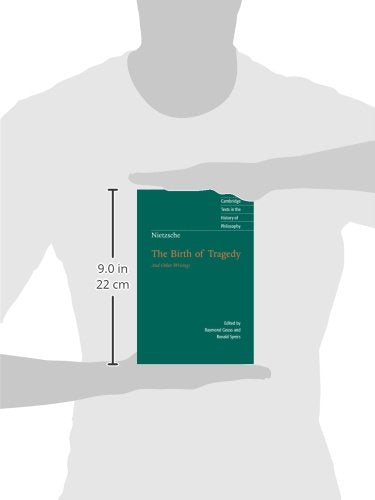
- Q: What are the dimensions of this book? A: The book measures five point ninety-nine inches in length, zero point fifty-one inches in width, and nine point zero two inches in height. This size makes it easy to handle.
- Q: What type of binding does this book have? A: This book is paperback bound. The paperback binding offers a lightweight and flexible option for readers.
- Q: Who is the author of this book? A: The author is Friedrich Nietzsche. He is known for his influential philosophical writings.
- Q: What is the genre of this book? A: The genre of this book is Aesthetics. It explores philosophical concepts related to art and beauty.
- Q: Is this book suitable for beginners? A: Yes, this book is suitable for beginners. It includes an introduction that sets the work in its historical and philosophical context.
- Q: How should I read this book for best understanding? A: To understand this book, read it slowly and take notes. Reflect on Nietzsche's arguments as they are complex and thought-provoking.
- Q: Is this book appropriate for students? A: Yes, this book is appropriate for students. It is often used in philosophy courses and provides valuable insights into Nietzsche's theories.
- Q: How should I store this paperback book? A: Store this paperback book in a cool, dry place. Keep it upright on a shelf to prevent bending or damage.
- Q: What is the best way to care for this book? A: To care for this book, avoid exposing it to moisture and direct sunlight. Handle it with clean hands to prevent dirt transfer.
- Q: Can I return this book if I'm not satisfied? A: Yes, you can return this book if you are not satisfied. Check the return policy of the seller for specific details.
- Q: What if the book arrives damaged? A: If the book arrives damaged, contact the seller immediately for a replacement or refund. It's important to report damages as soon as possible.
- Q: Are there any additional essays included in this book? A: Yes, the book includes two essays on related topics written by Nietzsche during the same period. These essays enhance the understanding of his main ideas.
- Q: Who translated this edition of the book? A: This edition of the book features a new translation by Ronald Speirs. His work aims to provide clarity and accuracy in Nietzsche's ideas.
- Q: Does this book include an introduction? A: Yes, this book includes an introduction by Raymond Geuss. The introduction contextualizes Nietzsche's work within its historical and philosophical framework.