
Title

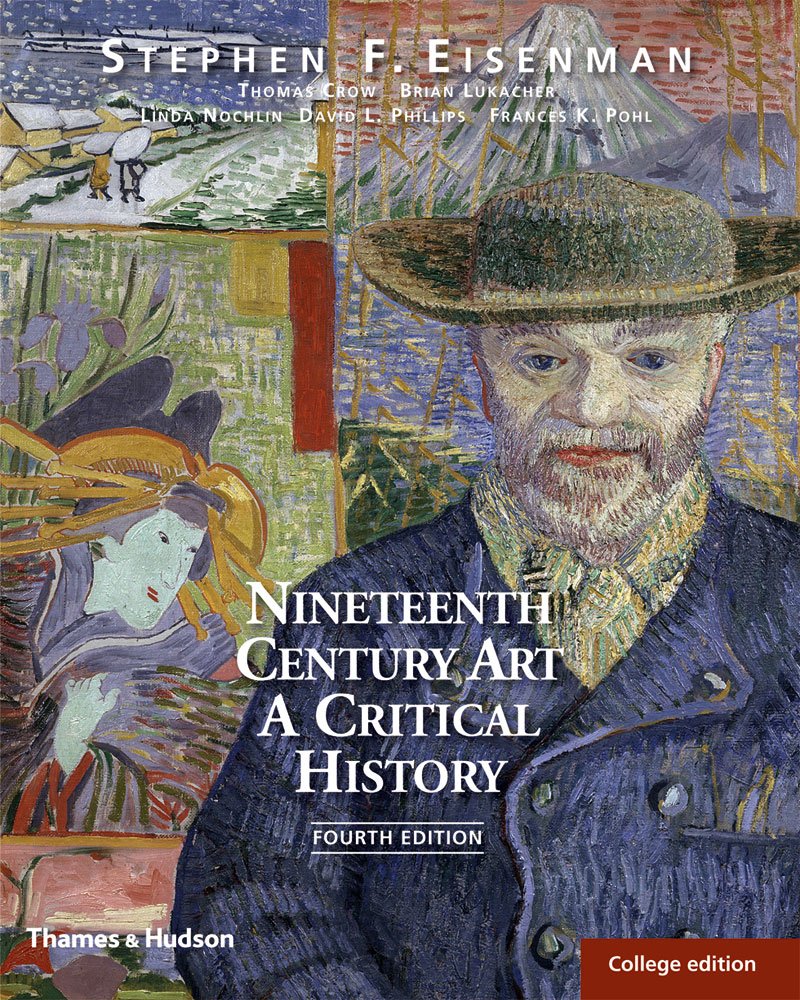
Nineteenth Century Art: A Critical History,New
Sold by Ergodebooks, an authorized reseller.
Returns accepted within 30 days | support@ergodebooks.com
Shipping Information
- Free Standard Shipping — United States only
- Processing Time: 3–5 business days
- Estimated Delivery: 6–10 business days after dispatch
- Double-boxed, fully insured & discreetly packaged
- Tracking number sent via email once dispatched
Returns & Refund
Returns accepted within 30 days of delivery.
Damaged or Defective Item
Free return shipping + replacement or full refund
Wrong Item Received
Free return shipping + replacement or full refund
Change of Mind
Return shipping at customer's expense · 25% restocking fee applies
Payment Option

Rich In Ideas And Illustrations...Of Interest To Scholars And Art Enthusiasts Alike.'Library Journal Since Its First Publication In 1994, This Book Has Established Itself As The Most Popular And Highly Regarded Textbook In The Field. It Embraces Many Aspects Of The Socalled
⚠️ WARNING (California Proposition 65):
This product may contain chemicals known to the State of California to cause cancer, birth defects, or other reproductive harm.
For more information, please visit www.P65Warnings.ca.gov.
- Q: How many pages does this book have? A: This book has five hundred four pages. It provides a comprehensive exploration of nineteenth-century art history.
- Q: What is the binding type of this book? A: The binding type is paperback. This makes it lightweight and flexible for easy reading and transport.
- Q: What are the dimensions of the book? A: The dimensions are eight point six inches in length, one point three inches in width, and ten point seven one inches in height. These dimensions make it a standard size for textbooks.
- Q: Who is the author of this book? A: The author is Stephen F. Eisenman. He is a well-regarded scholar in the field of art history.
- Q: What is the main topic of the book? A: The main topic is the critical history of nineteenth-century art. It covers various aspects of the period's artistic movements and key figures.
- Q: Is this book suitable for beginners? A: Yes, this book is suitable for beginners. It is designed to be accessible for students and general readers interested in art history.
- Q: Can I use this book for academic purposes? A: Yes, this book is excellent for academic purposes. It is widely regarded as a popular textbook in the field of art history.
- Q: What audience would benefit from this book? A: Students, scholars, and art enthusiasts would benefit from this book. It provides in-depth analysis and rich illustrations of the era's art.
- Q: Are there illustrations in the book? A: Yes, there are two hundred forty-five color and two hundred sixty-five black-and-white illustrations. These visuals enhance the understanding of the text.
- Q: How should I store this book? A: Store this book in a cool, dry place, away from direct sunlight. This helps to preserve the quality of the pages and binding.
- Q: What should I do if the book arrives damaged? A: If the book arrives damaged, contact the seller immediately for a return or exchange. Most sellers have a customer service policy for such issues.
- Q: Is there a warranty on this book? A: No, there is typically no warranty on books. However, check with the seller for their specific return policy.
- Q: How can I clean this book? A: To clean this book, gently wipe the cover and pages with a dry microfiber cloth. Avoid using liquids to prevent damage.
- Q: Is this book a good reference for art history courses? A: Yes, this book is a highly regarded reference for art history courses. It covers essential themes and includes contributions from notable scholars.
- Q: Are there updated chapters in this edition? A: Yes, this edition includes four revised chapters and a substantially expanded chapter on photography. This keeps the content current and relevant.
- Q: What makes this book unique? A: This book is unique due to its combination of critical analysis and a rich visual component. It engages readers with diverse perspectives on nineteenth-century art.