
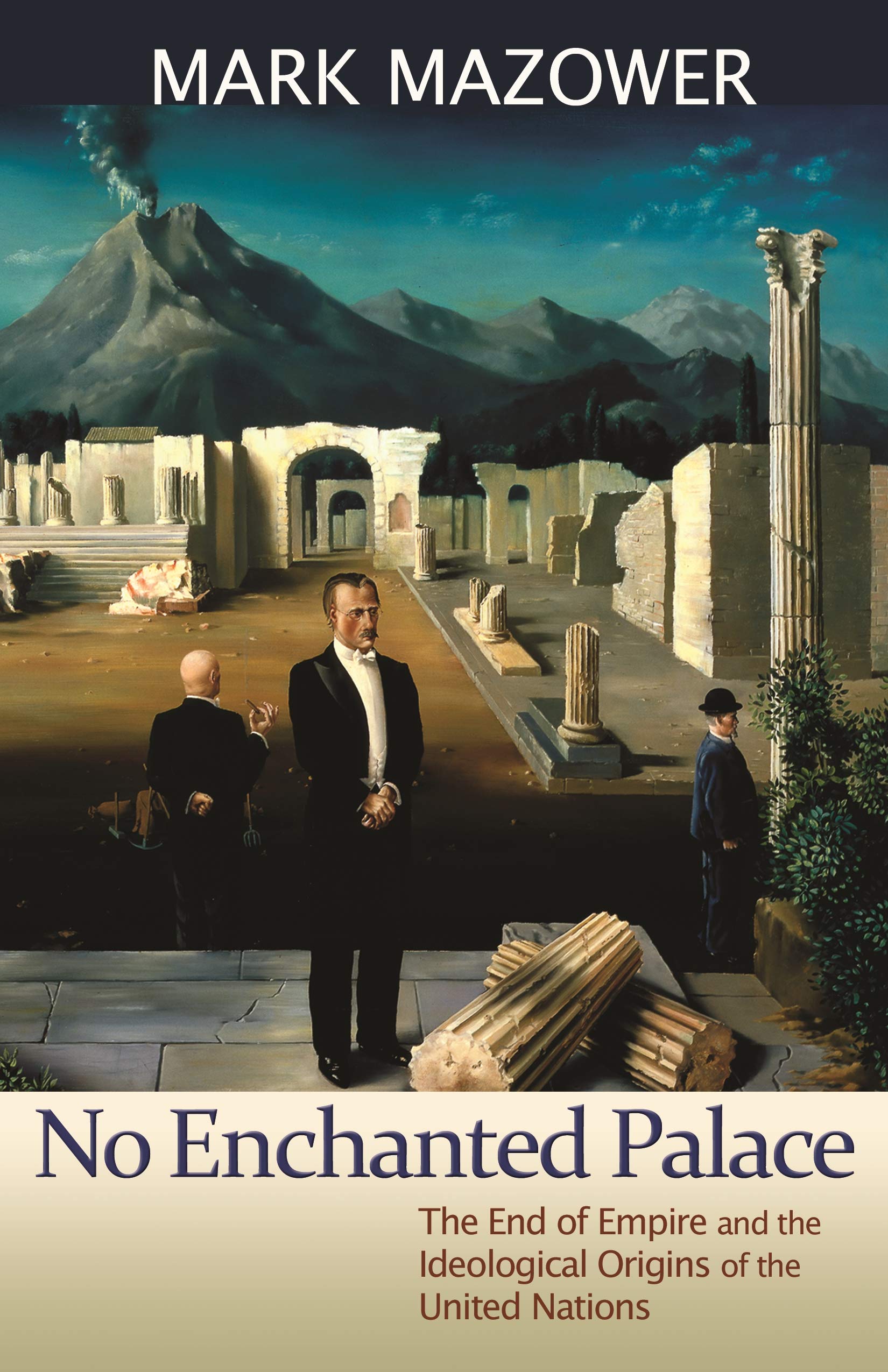
Title
No Enchanted Palace: The End of Empire and the Ideological Origins of the United Nations (The Lawrence Stone Lectures),Used
Sold by Ergodebooks, an authorized reseller.
Returns accepted within 30 days | support@ergodebooks.com
Shipping Information
- Free Standard Shipping — United States only
- Processing Time: 3–5 business days
- Estimated Delivery: 6–10 business days after dispatch
- Double-boxed, fully insured & discreetly packaged
- Tracking number sent via email once dispatched
Returns & Refund
Returns accepted within 30 days of delivery.
Damaged or Defective Item
Free return shipping + replacement or full refund
Wrong Item Received
Free return shipping + replacement or full refund
Change of Mind
Return shipping at customer's expense · 25% restocking fee applies
Payment Option

A groundbreaking interpretation of the intellectual origins of the United NationsNo Enchanted Palace traces the origins and early development of the United Nations, one of the most influential yet perhaps least understood organizations active in the world today. Acclaimed historian Mark Mazower forces us to set aside the popular myth that the UN miraculously rose from the ashes of World War II as the guardian of a new and peaceful global order, offering instead a strikingly original interpretation of the UN's ideological roots, early history, and changing role in world affairs.Mazower brings the founding of the UN brilliantly to life. He shows how the UN's creators envisioned a world organization that would protect the interests of empire, yet how this imperial vision was decisively reshaped by the postwar reaffirmation of national sovereignty and the unanticipated rise of India and other former colonial powers. This is a story told through the clash of personalities, such as South African statesman Jan Smuts, who saw in the UN a means to protect the old imperial and racial order; Raphael Lemkin and Joseph Schechtman, Jewish intellectuals at odds over how the UN should combat genocide and other atrocities; and Jawaharlal Nehru, India's first prime minister, who helped transform the UN from an instrument of empire into a forum for ending it.A muchneeded historical reappraisal of the early development of this vital world institution, No Enchanted Palace reveals how the UN outgrew its origins and has exhibited an extraordinary flexibility that has enabled it to endure to the present day.
⚠️ WARNING (California Proposition 65):
This product may contain chemicals known to the State of California to cause cancer, birth defects, or other reproductive harm.
For more information, please visit www.P65Warnings.ca.gov.
- Q: What is the main theme of 'No Enchanted Palace'? A: The main theme of 'No Enchanted Palace' is the exploration of the ideological origins and early development of the United Nations, challenging the myth that it solely emerged from the aftermath of World War II.
- Q: Who is the author of this book? A: The author of 'No Enchanted Palace' is Mark Mazower, an acclaimed historian known for his works on modern history.
- Q: What is the publication date of the book? A: The book was published on February 24, 2013.
- Q: How many pages does 'No Enchanted Palace' have? A: The book contains 248 pages.
- Q: What is the binding type of this book? A: 'No Enchanted Palace' is available in paperback binding.
- Q: Is 'No Enchanted Palace' a new or used book? A: 'No Enchanted Palace' is in new condition.
- Q: What significant historical figures are discussed in the book? A: The book discusses significant figures such as Jan Smuts, Raphael Lemkin, Joseph Schechtman, and Jawaharlal Nehru.
- Q: What does the author argue about the role of the UN? A: The author argues that the UN's role evolved from an instrument of empire to a platform for promoting national sovereignty and addressing global issues.
- Q: Does the book offer a positive or critical view of the United Nations? A: The book provides a critical historical reappraisal of the United Nations, examining its complexities and the ideological struggles behind its formation.
- Q: What other topics does the book cover related to the UN's development? A: The book covers topics such as the impact of former colonial powers and the UN's flexibility in adapting to changing global dynamics.