
Title
No Man's Land: Globalization, Territory, and Clandestine Groups in Southeast Asia,Used
Sold by Ergodebooks, an authorized reseller.
Returns accepted within 30 days | support@ergodebooks.com
Shipping Information
- Free Standard Shipping — United States only
- Processing Time: 3–5 business days
- Estimated Delivery: 6–10 business days after dispatch
- Double-boxed, fully insured & discreetly packaged
- Tracking number sent via email once dispatched
Returns & Refund
Returns accepted within 30 days of delivery.
Damaged or Defective Item
Free return shipping + replacement or full refund
Wrong Item Received
Free return shipping + replacement or full refund
Change of Mind
Return shipping at customer's expense · 25% restocking fee applies
Payment Option

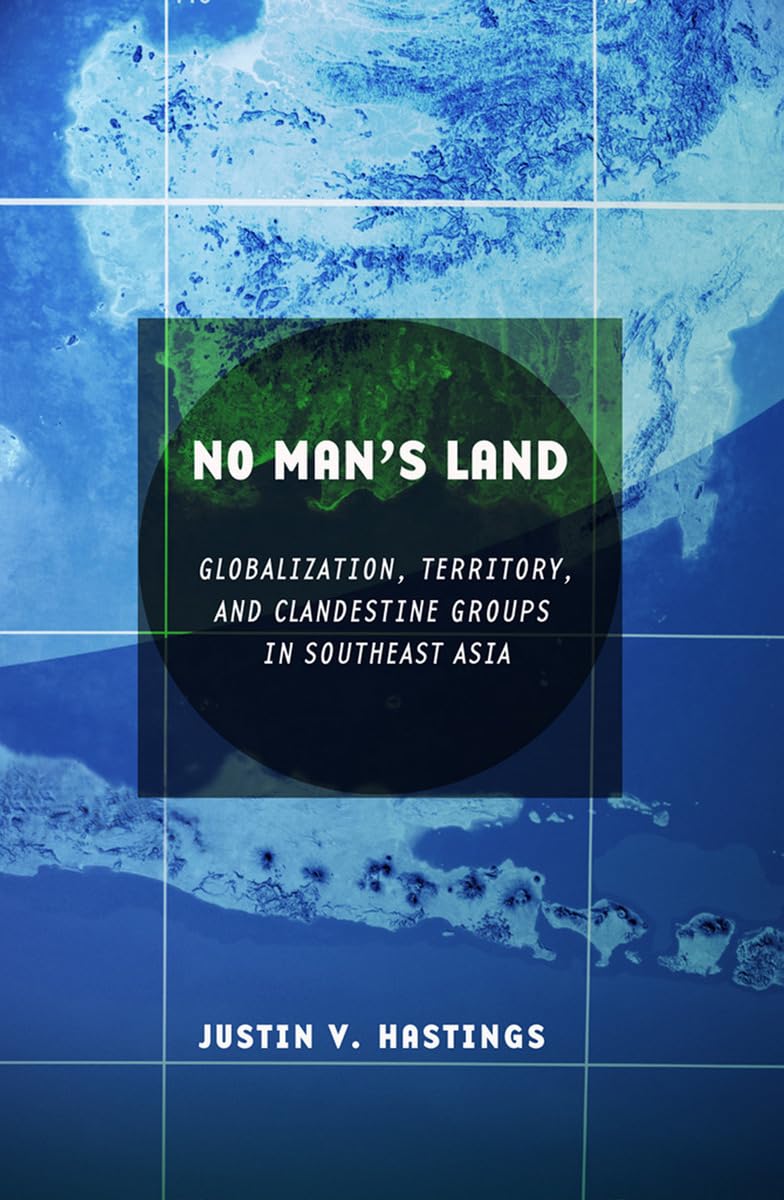
The increased ability of clandestine groups to operate with little regard for borders or geography is often taken to be one of the dark consequences of a brave new globalized world. Yet even for terrorists and smugglers, the world is not flat; states exert formidable control over the technologies of globalization, and difficult terrain poses many of the same problems today as it has throughout human history. In No Man's Land, Justin V. Hastings examines the complex relationship that illicit groups have with modern technologyand how and when geography still matters.Based on often difficult fieldwork in Southeast Asia, Hastings traces the logistics networks, command and control structures, and training programs of three distinct clandestine organizations: the terrorist group Jemaah Islamiyah, the insurgent Free Aceh Movement, and organized criminals in the form of smugglers and maritime pirates. Hastings also compares the experiences of these groups to others outside Southeast Asia, including alQaeda, the Tamil Tigers, and the Somali pirates. Through reportage, memoirs, government archives, interrogation documents, and interviews with people on both sides of the law, he finds that despite their differences, these organizations are constrained and shaped by territory and technology in similar ways. In remote or hostile environments, where access to the infrastructure of globalization is limited, clandestine groups must set up their own costly alternatives. Even when successful, Hastings concludes, criminal, insurgent and terrorist organizations are not nearly as mobile as pessimistic views of the sinister side of globalization might suggest.
⚠️ WARNING (California Proposition 65):
This product may contain chemicals known to the State of California to cause cancer, birth defects, or other reproductive harm.
For more information, please visit www.P65Warnings.ca.gov.