
Title
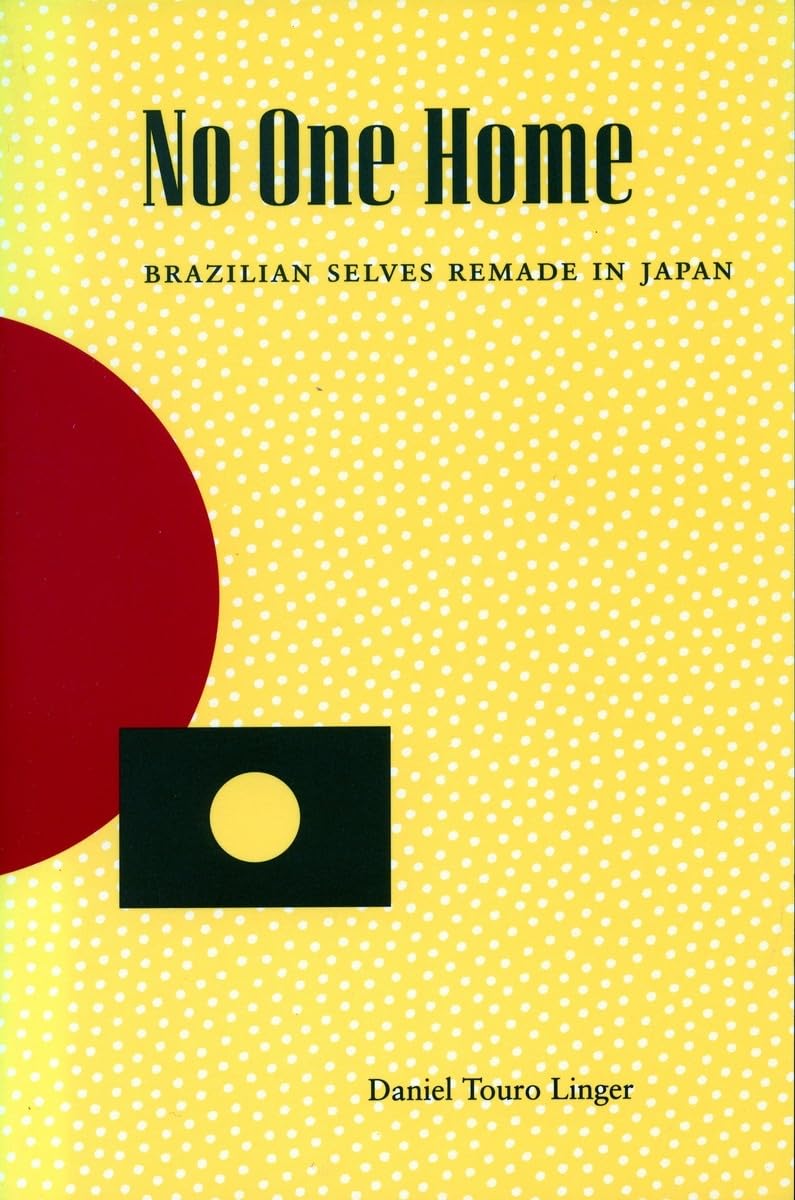
No One Home: Brazilian Selves Remade In Japan,Used
Sold by Ergodebooks, an authorized reseller.
Returns accepted within 30 days | support@ergodebooks.com
Shipping Information
- Free Standard Shipping — United States only
- Processing Time: 3–5 business days
- Estimated Delivery: 6–10 business days after dispatch
- Double-boxed, fully insured & discreetly packaged
- Tracking number sent via email once dispatched
Returns & Refund
Returns accepted within 30 days of delivery.
Damaged or Defective Item
Free return shipping + replacement or full refund
Wrong Item Received
Free return shipping + replacement or full refund
Change of Mind
Return shipping at customer's expense · 25% restocking fee applies
Payment Option

The movement of Brazilians of Japanese descent to Japan is one of the most intriguing transnational migrations of recent years. In 1990, seeking a supply of ethnically acceptable unskilled workers, Japan permitted overseas Japanese, along with their spouses and children, to enter the country as longterm residents. The prospect of high salaries eventually drew about 200,000 nikkeis, as Brazilians of Japanese descent often call themselves, to Japan, making them Japan's thirdlargest minority group. No One Home is an ethnographic study, based on fieldwork and extensive personal interviews, of nikkeis living in Toyota City. The migrants' dual identities coexist uneasily. The book focuses on how Brazilian factory workers and their children work through the problems arising from their ambiguous status. In Toyota City and environs, Brazilian men and women do hard, dirty, and dangerous physical labor in automobileparts plants that supply Toyota Motors and other large automobile manufacturers. Japanese schools confront their children with an array of cultural, linguistic, educational, and personal obstacles. In the immediacies of the shop floor, classroom, and their leisure activities, nikkeis remake in Japan selves they had forged as citizens of Brazil, a process that is dynamic, varied, and unpredictable. The book complements the recent literature on transnationalism in several important respects. While recognizing the influence of global economics and media, it emphasizes how transnationalism is lived. It highlights people's experiences rather than the conditions of those experiences, and examines their senses of self rather than identity constructs. Instead of treating neighbors and interviewees as members of social categories, the author explores personal realmsthe rich, complex, idiosyncratic selves nikkeis continually refashion during their sojourn in Japan. Overall, he underlines the significance of consciousness, experience, and biography for comprehensive studies of transnationalism and identity.
⚠️ WARNING (California Proposition 65):
This product may contain chemicals known to the State of California to cause cancer, birth defects, or other reproductive harm.
For more information, please visit www.P65Warnings.ca.gov.