
Title
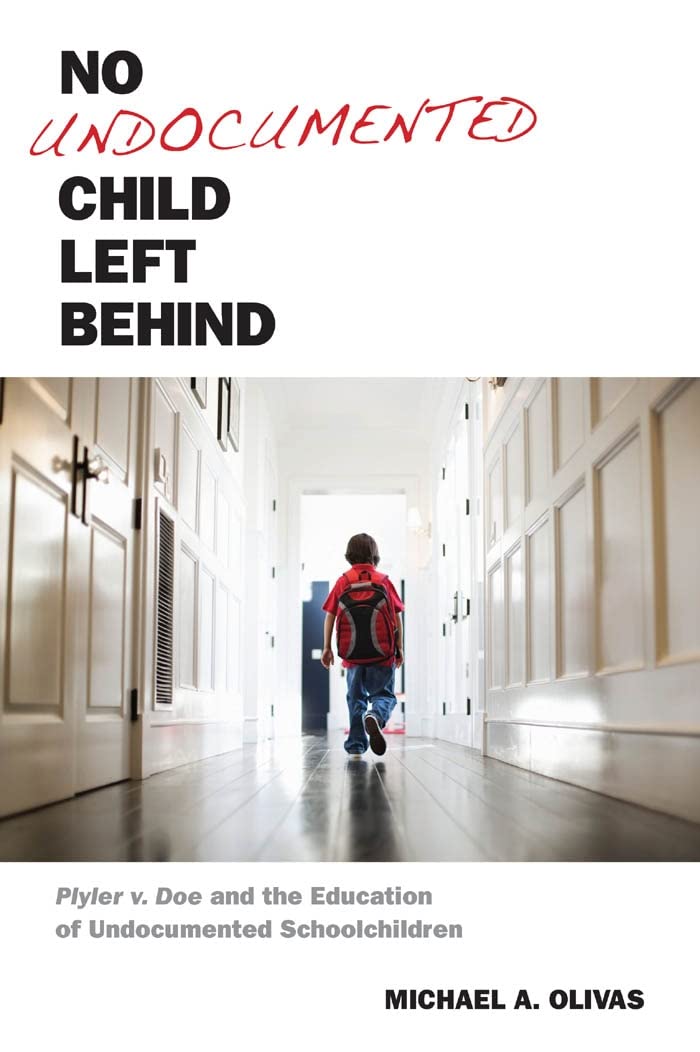
No Undocumented Child Left Behind: Plyler V. Doe And The Education Of Undocumented Schoolchildren (Citizenship And Migration In ,Used
Sold by Ergodebooks, an authorized reseller.
Returns accepted within 30 days | support@ergodebooks.com
Shipping Information
- Free Standard Shipping — United States only
- Processing Time: 3–5 business days
- Estimated Delivery: 6–10 business days after dispatch
- Double-boxed, fully insured & discreetly packaged
- Tracking number sent via email once dispatched
Returns & Refund
Returns accepted within 30 days of delivery.
Damaged or Defective Item
Free return shipping + replacement or full refund
Wrong Item Received
Free return shipping + replacement or full refund
Change of Mind
Return shipping at customer's expense · 25% restocking fee applies
Payment Option

The 1982 U. S. Supreme Court case of Plyler v. Doe, which made it possible for undocumented children to enroll in Texas public schools, was a watershed moment for immigrant rights in the United States. The Court struck down both a state statute denying funding for education to undocumented children and a municipal school district's attempt to charge an annual $1,000 tuition fee for each undocumented student to compensate for the lost state funding. Yet while this case has not returned to the Supreme Court, it is frequently contested at the state and local level.In No Undocumented Child Left Behind, Michael A. Olivas tells a fascinating history of the landmark case, examining how, 30 years later, Plyler v. Doe continues to suffer from implementation issues and requires additional litigation and vigilance to enforce the ruling. He takes a comprehensive look at the legal regime it established regarding the education of undocumented school children, moves up through its implementation, including direct and indirect attacks on it, and closes with the ongoing, highly charged debates over the Development, Relief, and Education for Minors (DREAM) Act, which aims to give conditional citizenship to undocumented college students who graduated from US high schools and have been in the country for at least five years.Listen to Michael Olivas on WYPF 88.1 FM, as he takes a look back 30 years to the Supreme Court case that made it possible for undocumented children to enroll in public schools and the highlycharged political and legal battles that have ensued.
⚠️ WARNING (California Proposition 65):
This product may contain chemicals known to the State of California to cause cancer, birth defects, or other reproductive harm.
For more information, please visit www.P65Warnings.ca.gov.