
Title
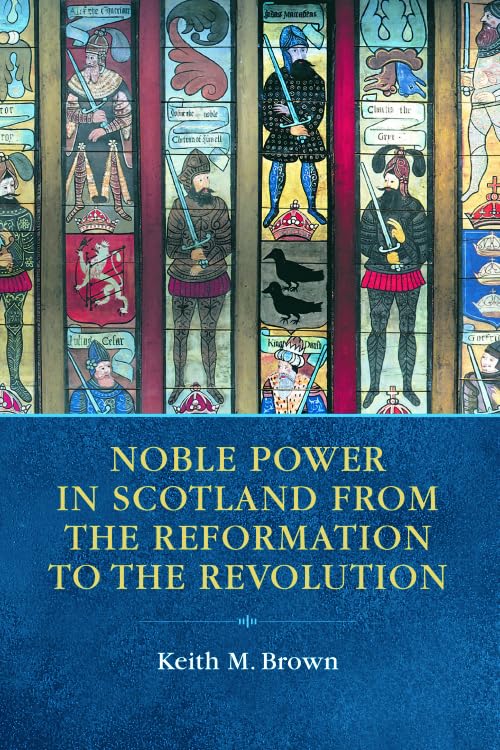
Noble Power in Scotland from the Reformation to the Revolution,Used
Sold by Ergodebooks, an authorized reseller.
Returns accepted within 30 days | support@ergodebooks.com
Shipping Information
- Free Standard Shipping — United States only
- Processing Time: 3–5 business days
- Estimated Delivery: 6–10 business days after dispatch
- Double-boxed, fully insured & discreetly packaged
- Tracking number sent via email once dispatched
Returns & Refund
Returns accepted within 30 days of delivery.
Damaged or Defective Item
Free return shipping + replacement or full refund
Wrong Item Received
Free return shipping + replacement or full refund
Change of Mind
Return shipping at customer's expense · 25% restocking fee applies
Payment Option

'Why do the wicked live on, growing old and increasing in power?' This quotation from Job begins Keith Brown's study of how Scotland's nobility rallied under the pressure of the Reformation and the Covenanting Revolution a tumultuous period which has generated much historical debate on issues of political authority and power.In this volume Brown builds on his previous book, Noble Society in Scotland, to argue that in spite of the changes brought about by the Reformation, by the recovery of crown authority and by the regal union between England and Scotland, the huge power exercised by the nobility remained fundamentally unaltered. Hence, when political crisis did surface in 16378, the crown lacked the means to oppose a nobleled revolution.Noble Power in Scotland discusses the nobility's political relationship with the crown in chapters at either end of this volume, taking the regal union of 1603 as the crucial dividing point. The remainder of the book addresses in turn themes that analyse the various roles nobles inhabited in exercising power. Keith Brown situates the Scottish debate within the wider arena of European nobilities and their enduring power, showing that the Scottish nobility successfully adapted to political change, just as it did to economic and cultural change, to retain its dominant political position throughout the period.Key Features: Nobles as chiefs of clans and lords of Scottish territories Nobles as warriors and soldiers in domestic and foreign service Nobles as men of honour Nobles as lawbringers and magistrates Nobles as parliamentarians, royal councillors and courtiers
⚠️ WARNING (California Proposition 65):
This product may contain chemicals known to the State of California to cause cancer, birth defects, or other reproductive harm.
For more information, please visit www.P65Warnings.ca.gov.