
Title
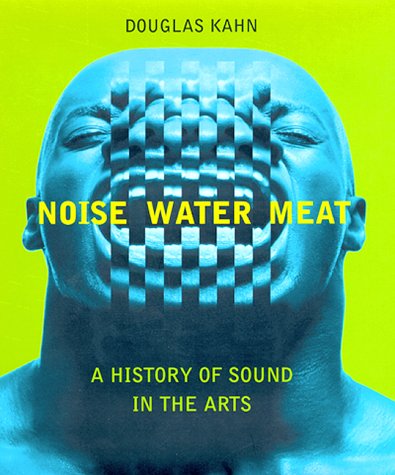
Noise, Water, Meat: A History Of Sound In The Arts-used
Sold by Ergodebooks, an authorized reseller.
Returns accepted within 30 days | support@ergodebooks.com
Shipping Information
- Free Standard Shipping — United States only
- Processing Time: 3–5 business days
- Estimated Delivery: 6–10 business days after dispatch
- Double-boxed, fully insured & discreetly packaged
- Tracking number sent via email once dispatched
Returns & Refund
Returns accepted within 30 days of delivery.
Damaged or Defective Item
Free return shipping + replacement or full refund
Wrong Item Received
Free return shipping + replacement or full refund
Change of Mind
Return shipping at customer's expense · 25% restocking fee applies
Payment Option

An Interdisciplinary Study Of Sound In The Arts Traces Aural Influences On Literature, Music, Visual Arts, Theatre, And Film, Focusing On The Work Of Innovators Such As Antonin Artaud, George Brecht, William Burroughs, John Cage, Sergei Eisenstein, Yoko Ono, And Others.
⚠️ WARNING (California Proposition 65):
This product may contain chemicals known to the State of California to cause cancer, birth defects, or other reproductive harm.
For more information, please visit www.P65Warnings.ca.gov.
- Q: What is the page count of this book? A: The book has four hundred fifty-five pages. It provides an in-depth exploration of sound in various art forms.
- Q: What are the dimensions of 'Noise, Water, Meat'? A: The dimensions are seven point twenty-five inches in length, one point five inches in width, and nine point seventy-six inches in height. This makes it a manageable size for reading.
- Q: What type of binding does this book have? A: This book is bound in hardcover. Hardcover bindings are known for their durability and longevity.
- Q: Who is the author of 'Noise, Water, Meat'? A: The author is Douglas Kahn. He is known for his interdisciplinary studies in sound and its impact on the arts.
- Q: What is the main theme of this book? A: The main theme is the historical influence of sound on various art forms. It explores the aural aspects that shape literature, music, and visual arts.
- Q: What genre does this book belong to? A: This book is categorized under History. It focuses on the historical context of sound in artistic movements.
- Q: Is this book suitable for all ages? A: Yes, there are no adult themes present in this book. It can be appreciated by readers of various age groups.
- Q: How does this book explore sound in the arts? A: The book analyzes sound's impact on literature, music, visual arts, theatre, and film. It provides a comprehensive understanding of sound's role in creativity.
- Q: Is there a specific audience for this book? A: Yes, it appeals to students and enthusiasts of art history and sound studies. Those interested in interdisciplinary studies will find it particularly engaging.
- Q: What are some key figures discussed in the book? A: Key figures include Antonin Artaud, George Brecht, and John Cage. Their innovative contributions to the arts are examined throughout the text.
- Q: What should I do if I receive a damaged copy? A: If you receive a damaged copy, you should contact the seller for a return or exchange. Most sellers have policies in place for such situations.
- Q: Does this book require any special care for storage? A: No special care is required, but it is advisable to keep it in a dry, cool place. This helps maintain the condition of the hardcover.
- Q: Can this book be used as a textbook? A: Yes, it can be used as a textbook in courses related to art history or sound studies. Its interdisciplinary approach makes it suitable for academic use.
- Q: What if I want to learn more about sound in the arts? A: This book is a great starting point. It offers comprehensive insights and references to further readings on sound's influence.
- Q: Is there an index or bibliography in this book? A: Yes, the book includes a bibliography. This allows readers to explore additional resources related to sound in the arts.