
Title
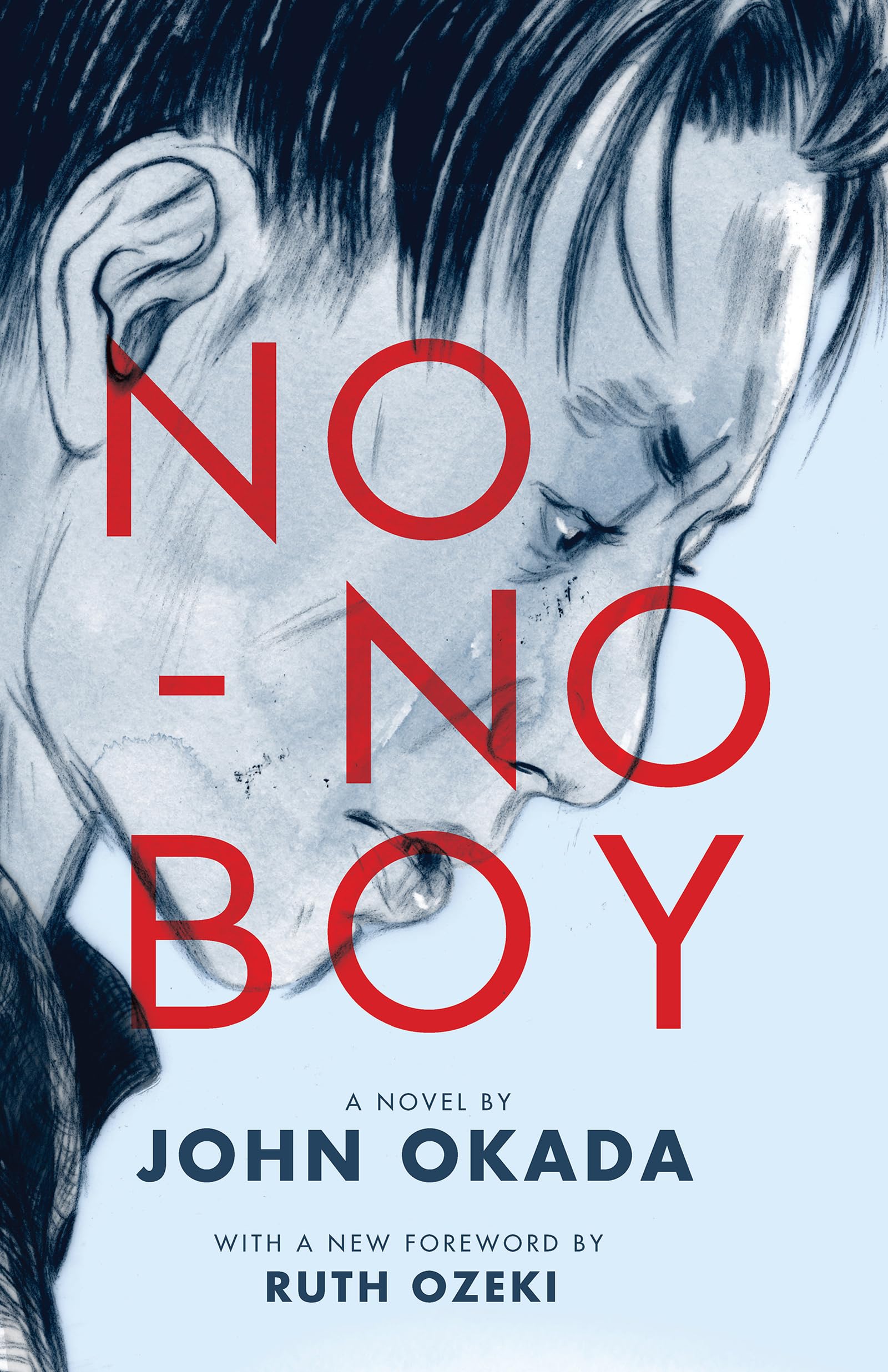
Nono Boy (Classics Of Asian American Literature),Used
Sold by Ergodebooks, an authorized reseller.
Returns accepted within 30 days | support@ergodebooks.com
Shipping Information
- Free Standard Shipping — United States only
- Processing Time: 3–5 business days
- Estimated Delivery: 6–10 business days after dispatch
- Double-boxed, fully insured & discreetly packaged
- Tracking number sent via email once dispatched
Returns & Refund
Returns accepted within 30 days of delivery.
Damaged or Defective Item
Free return shipping + replacement or full refund
Wrong Item Received
Free return shipping + replacement or full refund
Change of Mind
Return shipping at customer's expense · 25% restocking fee applies
Payment Option

Nono Boy Has The Honor Of Being Among The First Of What Has Become An Entire Literary Canon Of Asian American Literature,' Writes Novelist Ruth Ozeki In Her New Foreword. First Published In 1957, Nono Boy Was Virtually Ignored By A Public Eager To Put World War Ii And The Japanese Internment Behind Them. It Was Not Until The Mid1970S That A New Generation Of Japanese American Writers And Scholars Recognized The Novel'S Importance And Popularized It As One Of Literature'S Most Powerful Testaments To The Asian American Experience.Nono Boy Tells The Story Of Ichiro Yamada, A Fictional Version Of The Reallife 'Nono Boys.' Yamada Answered 'No' Twice In A Compulsory Government Questionnaire As To Whether He Would Serve In The Armed Forces And Swear Loyalty To The United States. Unwilling To Pledge Himself To The Country That Interned Him And His Family, Ichiro Earns Two Years In Prison And The Hostility Of His Family And Community When He Returns Home To Seattle. As Ozeki Writes, Ichiro'S 'Obsessive, Tormented' Voice Subverts Japanese Postwar 'Modelminority' Stereotypes, Showing A Fractured Community And One Man'S 'Threnody Of Guilt, Rage, And Blame As He Tries To Negotiate His Reentry Into A Shattered World.'The First Edition Of Nono Boy Since 1979 Presents This Important Work To New Generations Of Readers.
⚠️ WARNING (California Proposition 65):
This product may contain chemicals known to the State of California to cause cancer, birth defects, or other reproductive harm.
For more information, please visit www.P65Warnings.ca.gov.
- Q: How many pages is No-No Boy? A: This book has two hundred thirty-two pages. It provides an in-depth exploration of the Asian American experience.
- Q: What is the binding type of No-No Boy? A: No-No Boy is a paperback edition. This binding makes it lightweight and easy to handle.
- Q: What are the dimensions of No-No Boy? A: The dimensions are eight point four inches in length, five point four inches in width, and zero point eight inches in height. This size makes it portable for readers.
- Q: Who is the author of No-No Boy? A: The author is John Okada. He is recognized for his significant contributions to Asian American literature.
- Q: What genre does No-No Boy fall under? A: No-No Boy is categorized as genre fiction. It particularly highlights themes relevant to Asian American history.
- Q: How should I approach reading No-No Boy? A: You can read No-No Boy as a historical fiction piece. The narrative delves into complex themes of identity and community.
- Q: Is No-No Boy suitable for young readers? A: No, it is primarily aimed at adult readers. The themes may be complex for younger audiences.
- Q: What is the reading level for No-No Boy? A: No-No Boy is suitable for high school and adult readers. It deals with mature and historical subjects.
- Q: How do I care for my copy of No-No Boy? A: Keep it in a dry place away from direct sunlight. This will help preserve its condition over time.
- Q: What should I do if my copy of No-No Boy arrives damaged? A: You can return it for a replacement within the specified return policy period. Ensure that you keep the original packaging.
- Q: Is there a warranty for No-No Boy? A: No, books typically do not come with a warranty. However, check the seller's return policy for specific details.
- Q: Can I read No-No Boy in a book club? A: Yes, it is a great choice for book clubs. The themes stimulate significant discussions about identity and history.
- Q: How does No-No Boy compare to other Asian American literature? A: No-No Boy is one of the foundational texts. It provides unique insights into the Japanese American experience during and after World War II.
- Q: Is No-No Boy available in other formats? A: Currently, No-No Boy is only available in paperback. There are no known editions in digital or audiobook formats.
- Q: Who published No-No Boy? A: It is published by the University of Washington Press. This press specializes in scholarly works related to Asian American studies.