
Title
Nonprofits And Their Networks: Cleaning The Waters Along Mexicos Northern Border,Used
Sold by Ergodebooks, an authorized reseller.
Returns accepted within 30 days | support@ergodebooks.com
Shipping Information
- Free Standard Shipping — United States only
- Processing Time: 3–5 business days
- Estimated Delivery: 6–10 business days after dispatch
- Double-boxed, fully insured & discreetly packaged
- Tracking number sent via email once dispatched
Returns & Refund
Returns accepted within 30 days of delivery.
Damaged or Defective Item
Free return shipping + replacement or full refund
Wrong Item Received
Free return shipping + replacement or full refund
Change of Mind
Return shipping at customer's expense · 25% restocking fee applies
Payment Option

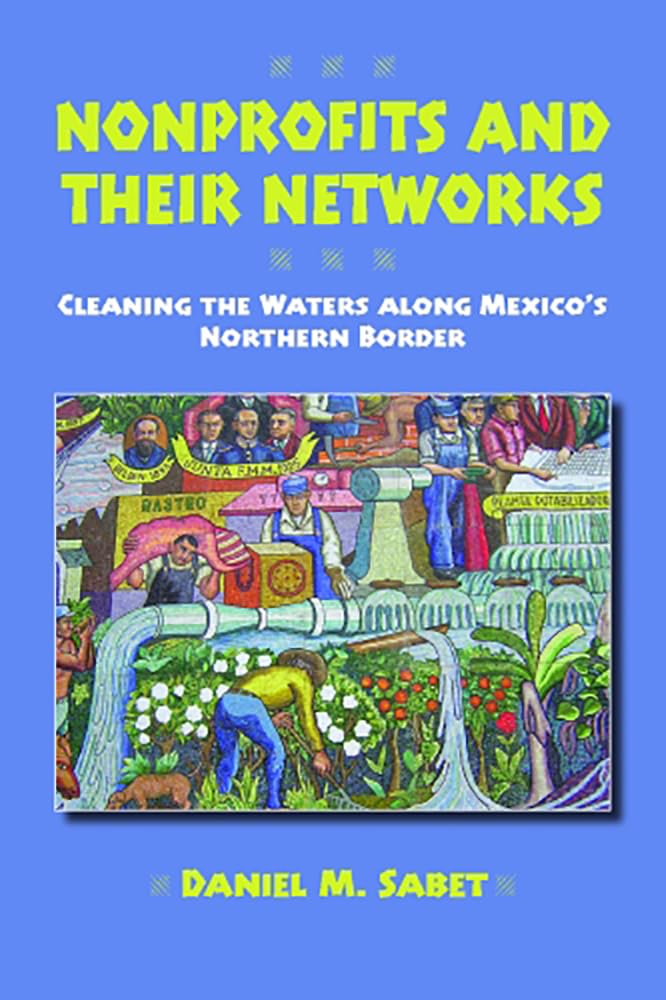
On the border of the United States and Mexico, few policy issues face such acute challenges as those related to water. Border cities face an uncertain future water supply, lowincome neighborhoods often lack water and sewer services, and water contamination poses a risk to the health of residents and the environment. Responses by government agencies on both sides of the border have been insufficient. Increasing economic development has mainly resulted in increasing problems. These limitations of government and market forces suggest that nonprofit organizationsthe socalled third sectormight play an important role in meeting the growing challenges in the region.Finding that these organizations do have a positive impact, Daniel Sabet seeks to understand how autonomous nonprofit organizations have emerged and developed along the border. He employs data from more than 250 interviews with members of civil society organizations and public officials, surveys of neighborhood association leaders, observations at public meetings, and many secondary sources. His research compares the experiences of thirdsector organizations in four prominent Mexican border cities: Tijuana, Nogales, Ciudad Jurez, and Nuevo Laredo.Sabet finds that political change is a necessary precondition for the establishment of an independent third sector. The demise of oneparty rule in Mexico has given nonprofit organizations greater opportunities to flourish, he finds, but persistent informal rules still obstruct their emergence and development. Sabet concludes that the success of the third sector will depend on the organizations networks. He examines organizational ties to three key groupsU.S. nonprofits, the business community, and governmentcreated methods for public participationand evaluates the importance of these connections for the future.
⚠️ WARNING (California Proposition 65):
This product may contain chemicals known to the State of California to cause cancer, birth defects, or other reproductive harm.
For more information, please visit www.P65Warnings.ca.gov.