
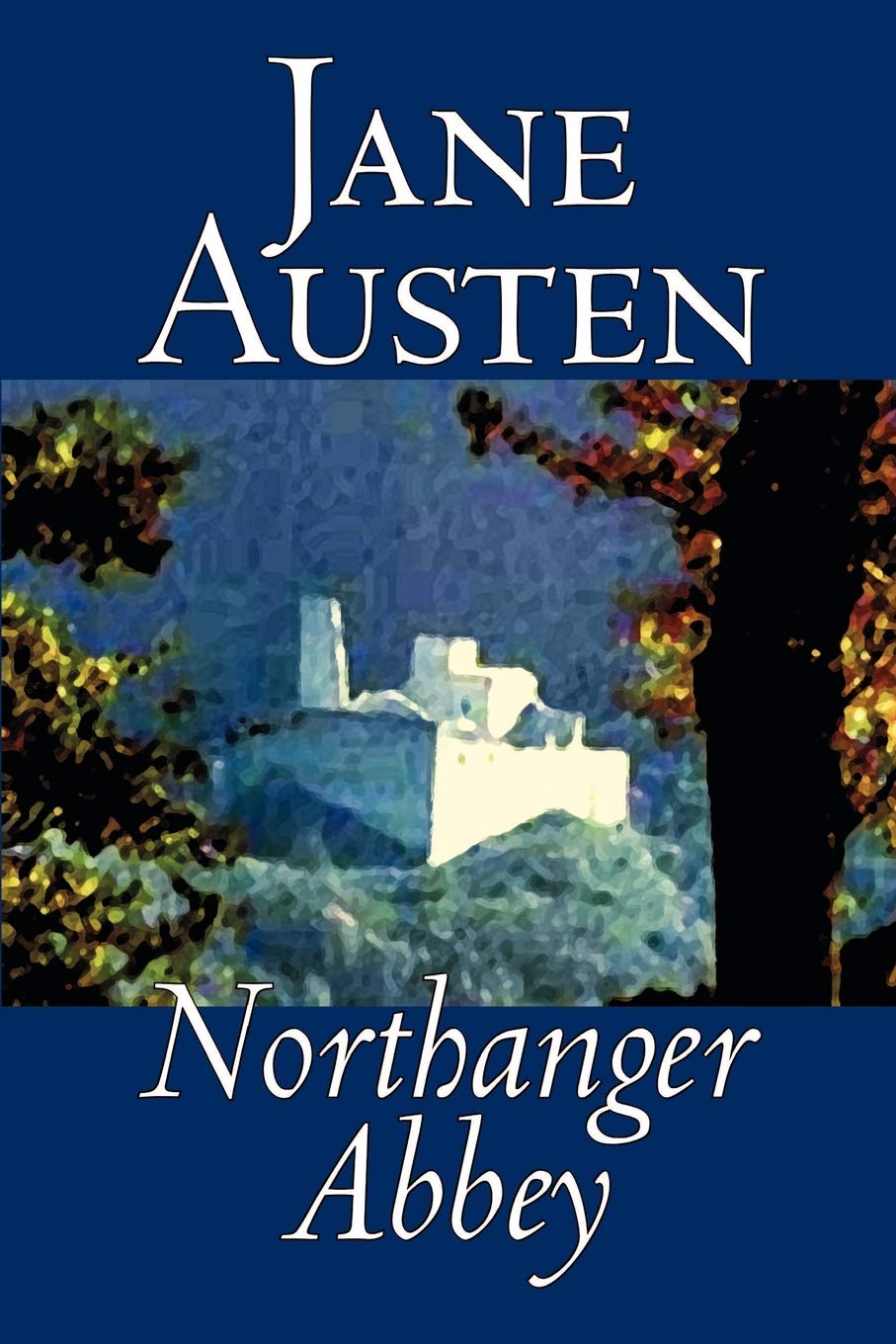
Title
Northanger Abbey By Jane Austen, Fiction, Literary, Classics,New
Sold by Ergodebooks, an authorized reseller.
Returns accepted within 30 days | support@ergodebooks.com
Shipping Information
- Free Standard Shipping — United States only
- Processing Time: 3–5 business days
- Estimated Delivery: 6–10 business days after dispatch
- Double-boxed, fully insured & discreetly packaged
- Tracking number sent via email once dispatched
Returns & Refund
Returns accepted within 30 days of delivery.
Damaged or Defective Item
Free return shipping + replacement or full refund
Wrong Item Received
Free return shipping + replacement or full refund
Change of Mind
Return shipping at customer's expense · 25% restocking fee applies
Payment Option

Product Description The first pages of Northanger Abbey send up Ann Radcliffe's The Mysteries of Udolpho: Jane Austen's heroine, is established to be a born heroine but she's Austen's heroine, not fated for any particular reason; just fated. In Austen's words, 'no one who had ever seen Catherine Morland in her infancy, would have supposed her born to be an heroine.' But fated she was, and Austen tells her tale delicviously. She spends the novel exploring decrepit castles, locked rooms, mysterious chests, cryptic notes, and tyrannical fathers but none of them are what one would expect in a gothic potboiler, nor in a title of Radcliffe's. Catherine goes with family friends to the spa at Bath; and there she meets Henry Tilney and his sister Eleanor, who invite her to visit their family estate, Northanger Abbey. That's where the book invokes the Horrid Props of a gothic novel: there are dreadful portents everywhere, even in the most wonderfully prosaic events. About the Author Jane Austen (1775 1817) was an English novelist known primarily for her six major novels, which interpret, critique and comment upon the British landed gentry at the end of the 18th century. Austen's plots often explore the dependence of women on marriage in the pursuit of favorable social standing and economic security. Her works critique the novels of sensibility of the second half of the 18th century and are part of the transition to 19thcentury literary realism.With the publications of Sense and Sensibility (1811), Pride and Prejudice (1813), Mansfield Park (1814) and Emma (1815), she achieved success as a published writer. She wrote two additional novels, Northanger Abbey and Persuasion, both published posthumously in 1818, and began a third, eventually titled Sanditon, but died before its completion. Her novels have rarely been out of print, although they were published anonymously and brought her little fame during her lifetime. A significant transition in her posthumous reputation occurred in 1869, fiftytwo years after her death, when her nephew's publication of A Memoir of Jane Austen introduced her to a wider audience.
⚠️ WARNING (California Proposition 65):
This product may contain chemicals known to the State of California to cause cancer, birth defects, or other reproductive harm.
For more information, please visit www.P65Warnings.ca.gov.