If you have any questions, you are always welcome to contact us. We'll get back to you as soon as possible, withing 24 hours on weekdays.
Customer service
All questions about your order, return and delivery must be sent to our customer service team by e-mail at yourstore@yourdomain.com
Sale & Press
If you are interested in selling our products, need more information about our brand or wish to make a collaboration, please contact us at press@yourdomain.com
Help
If you have any questions, you are always welcome to contact us. We'll get back to you as soon as possible, withing 24 hours on weekdays.
Customer service
All questions about your order, return and delivery must be sent to our customer service team by e-mail at yourstore@yourdomain.com
Sale & Press
If you are interested in selling our products, need more information about our brand or wish to make a collaboration, please contact us at press@yourdomain.com
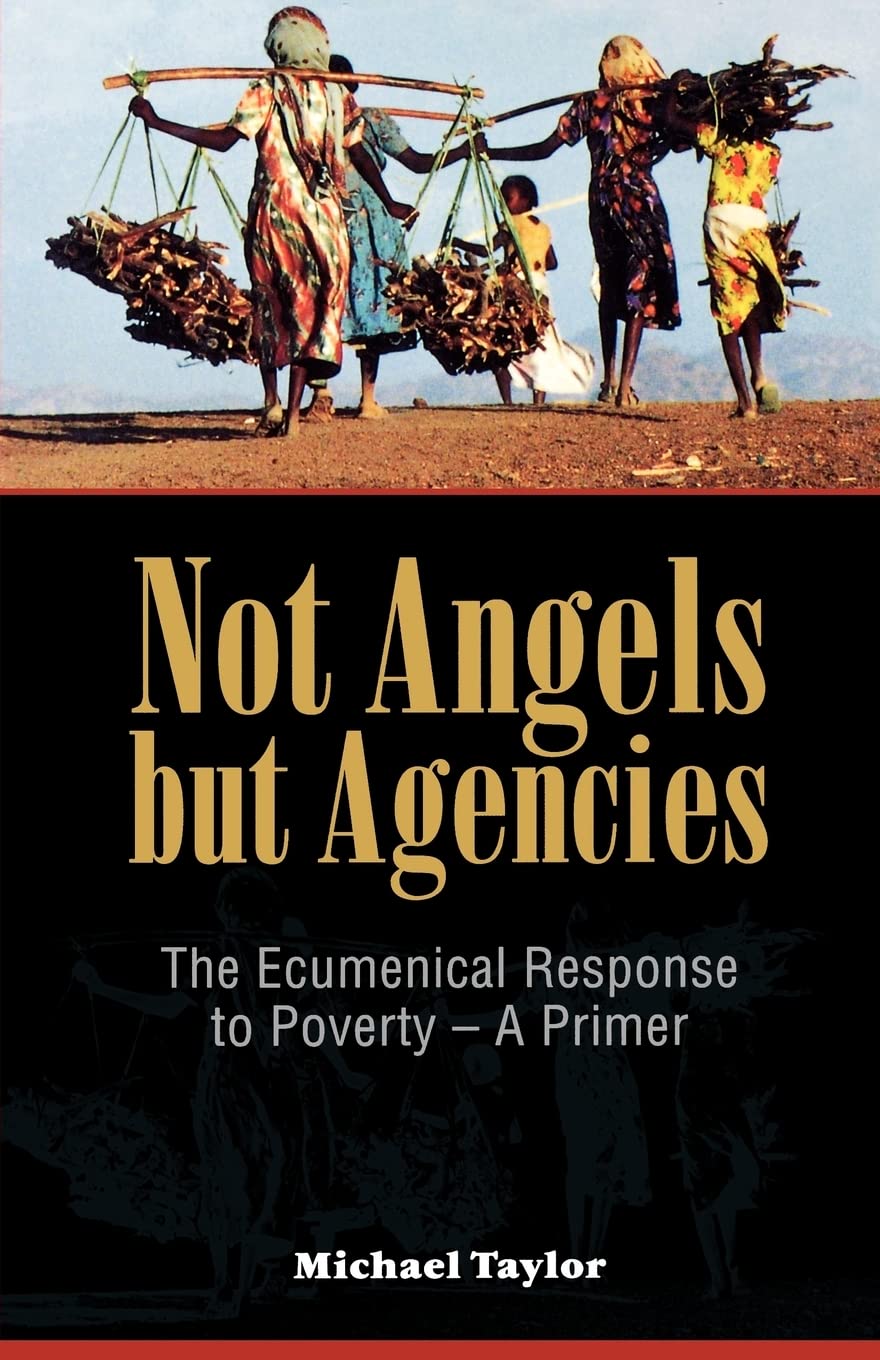
Not a penny for the missionaries. Keep politics out of it. Why do you fund guerrillas? Are you Oxfam with hymns? These are some of the characteristic doorstep responses that have been and are still made to Christian Aid, especially during its great fundraising activity of the year, Christian Aid Week. They indicate that there is a good deal of ignorance and confusion about the way in which Christians respond to poverty. This book attempts to provide some basic information, in an attractive way, about how churches and church organizations around the world have tried to make an effective response to the poor over the past halfcentury. It discusses the main issues in a thematic way, looking in particular at controversies that surround churchrelated aid, relief, mission and development agencies in the first world. Among the topics treated, using case studies and ecumenical statements, are the wholeness of Christian mission, the links between personal action and political action, and the ambiguities of power. Other contemporary challenges addressed are doubts about aid in the persistence of poverty, the scale of emergencies in Africa and the churches' ability to respond to them, competition or free market charity and compassion fatigue. In conclusion the book suggests what it means to respond to poverty in a Christian and ecumenical way and draws out some implications for the future. Published in collaboration with the World Council of Churches. Michael Taylor was Director of Christian Aid.
⚠️ WARNING (California Proposition 65):
This product may contain chemicals known to the State of California to cause cancer,
birth defects, or other reproductive harm.
For MAP (Minimum Advertised Price) violations and Intellectual Property (IP) or Trademark concerns, please contact:
support@ergodebooks.com
⚠️ California Proposition 65 Warning: Some products sold on this website may expose you to chemicals known to the State of California to cause cancer, birth defects, or other reproductive harm. For more information, visit www.P65Warnings.ca.gov.