
Title
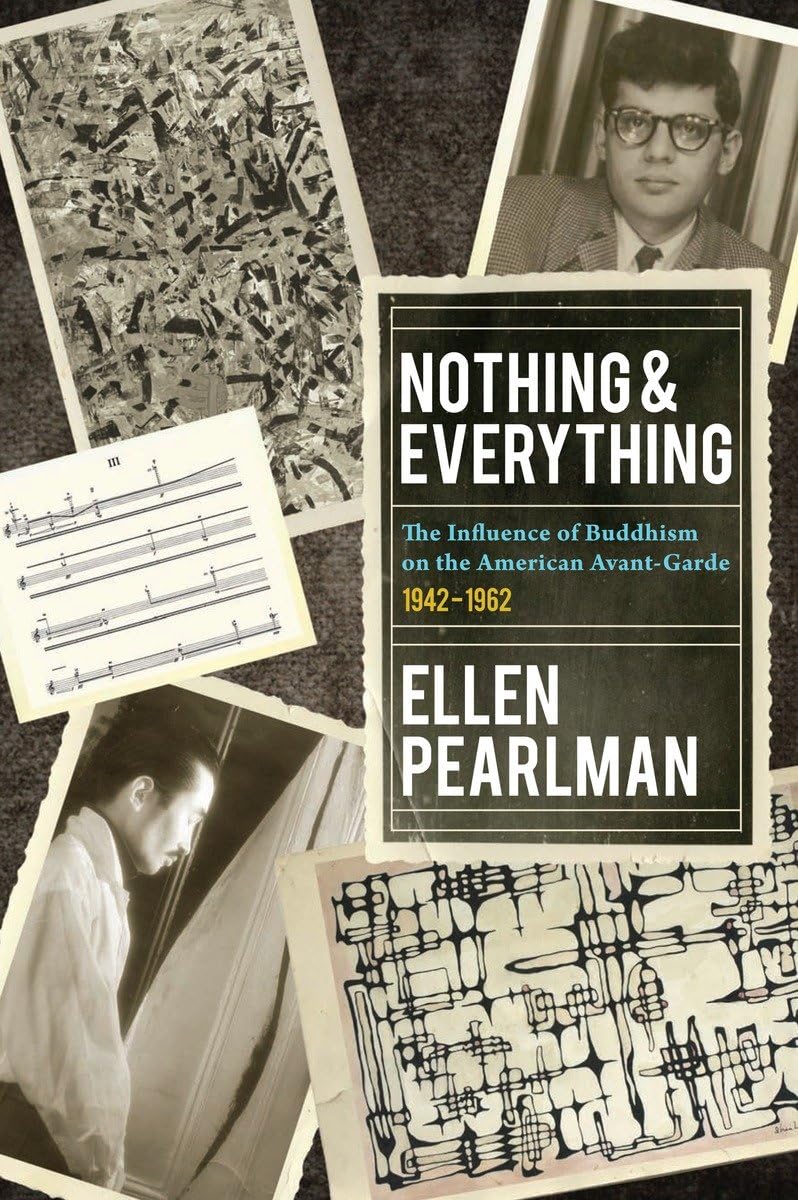
Nothing And Everything The Influence Of Buddhism On The American Avant Garde: 1942 1962,Used
Sold by Ergodebooks, an authorized reseller.
Returns accepted within 30 days | support@ergodebooks.com
Shipping Information
- Free Standard Shipping — United States only
- Processing Time: 3–5 business days
- Estimated Delivery: 6–10 business days after dispatch
- Double-boxed, fully insured & discreetly packaged
- Tracking number sent via email once dispatched
Returns & Refund
Returns accepted within 30 days of delivery.
Damaged or Defective Item
Free return shipping + replacement or full refund
Wrong Item Received
Free return shipping + replacement or full refund
Change of Mind
Return shipping at customer's expense · 25% restocking fee applies
Payment Option

In America in the late 1950s and early 60s, the worldand life itselfbecame a legitimate artists tool, aligning with Zen Buddhisms emphasis on enlightenment at any moment and living in the now. Simultaneously and independently, parallel movements were occurring in Japan, as artists there, too, strove to break down artistic boundaries.Nothing and Everything brings these heady times into focus. Author Ellen Pearlman meticulously traces the spread of Buddhist ideas into the art world through the classes of legendary scholar D. T. Suzuki as well as those of his most famous student, composer and teacher John Cage, from whose teachings sprouted the art movement Fluxus and the happenings of the 1960s. Pearlman details the interaction of these American artists with the Japanese Hi Red Center and the multiinstallation group Gutai. Back in New York, abstractexpressionist artists founded The Club, which held lectures on Zen and featured Japans first abstract painter, Saburo Hasegawa. And in the literary world, Jack Kerouac and Allen Ginsberg were using Buddhism in their search for new forms and visions of their own. These multiple journeys led to startling breakthroughs in artistic and literary styleand influenced an entire generation. Filled with rare photographs and groundbreaking primary source material, Nothing and Everything is the definitive history of this pivotal time for the American arts.About the Imprint:EVOLVER EDITIONS promotes a new counterculture that recognizes humanity's visionary potential and takes tangible, pragmatic steps to realize it. EVOLVER EDITIONS explores the dynamics of personal, collective, and global change from a wide range of perspectives. EVOLVER EDITIONS is an imprint of North Atlantic Books and is produced in collaboration with Evolver, LLC.
⚠️ WARNING (California Proposition 65):
This product may contain chemicals known to the State of California to cause cancer, birth defects, or other reproductive harm.
For more information, please visit www.P65Warnings.ca.gov.
- Q: How many pages does the book have? A: The book has two hundred sixty-four pages. This makes it a comprehensive read for those interested in the intersection of Buddhism and American avant-garde art.
- Q: What is the book's binding type? A: The book is available in paperback binding. This makes it lightweight and easy to handle, perfect for casual reading.
- Q: What are the dimensions of the book? A: The book measures six inches by eight point nine five inches and is zero point six four inches thick. This size makes it convenient for both reading and storage.
- Q: Who is the author of this book? A: The author is Ellen Pearlman. She is known for her in-depth exploration of art movements and their cultural influences.
- Q: What genre does this book fall under? A: The book falls under the genre of history. It specifically explores the influence of Buddhism on American art during a pivotal time.
- Q: Is this book suitable for beginners in art history? A: Yes, this book is suitable for beginners. It provides a clear narrative and contextualizes Buddhist influence in a way that's accessible.
- Q: How do I read this book effectively? A: To read this book effectively, take your time to reflect on the connections between Buddhism and art. Consider making notes on key themes for deeper understanding.
- Q: Is there a recommended age for readers of this book? A: The book is suitable for adults and mature teens. It covers complex themes that require a higher level of understanding.
- Q: How should I store this book to keep it in good condition? A: Store the book upright on a shelf in a cool, dry place. Avoid direct sunlight to prevent fading and ensure it remains in good condition.
- Q: Can I clean the book if it gets dirty? A: Yes, you can gently wipe the cover with a soft, dry cloth to remove dust. Avoid using liquids that could damage the pages.
- Q: What if the book arrives damaged? A: If the book arrives damaged, you should contact the seller for return or exchange options. Most sellers have policies in place for such issues.
- Q: Does this book have any photographs or illustrations? A: Yes, the book includes rare photographs and primary source material. These visuals enhance the narrative and provide context.
- Q: Is this book a good choice for research purposes? A: Yes, this book is an excellent choice for research. It provides insightful analysis and references important figures in art history.
- Q: Are there any other works by the author? A: Yes, Ellen Pearlman has written other works focusing on art and cultural movements. Exploring her bibliography may provide additional insights.
- Q: What makes this book unique? A: This book uniquely traces the cross-cultural exchange between American and Japanese artists during a transformative period in art history.
- Q: Can I gift this book to someone interested in Buddhism? A: Yes, this book makes a thoughtful gift for anyone interested in Buddhism and its impact on modern art and culture.