If you have any questions, you are always welcome to contact us. We'll get back to you as soon as possible, withing 24 hours on weekdays.
Customer service
All questions about your order, return and delivery must be sent to our customer service team by e-mail at yourstore@yourdomain.com
Sale & Press
If you are interested in selling our products, need more information about our brand or wish to make a collaboration, please contact us at press@yourdomain.com
Help
If you have any questions, you are always welcome to contact us. We'll get back to you as soon as possible, withing 24 hours on weekdays.
Customer service
All questions about your order, return and delivery must be sent to our customer service team by e-mail at yourstore@yourdomain.com
Sale & Press
If you are interested in selling our products, need more information about our brand or wish to make a collaboration, please contact us at press@yourdomain.com
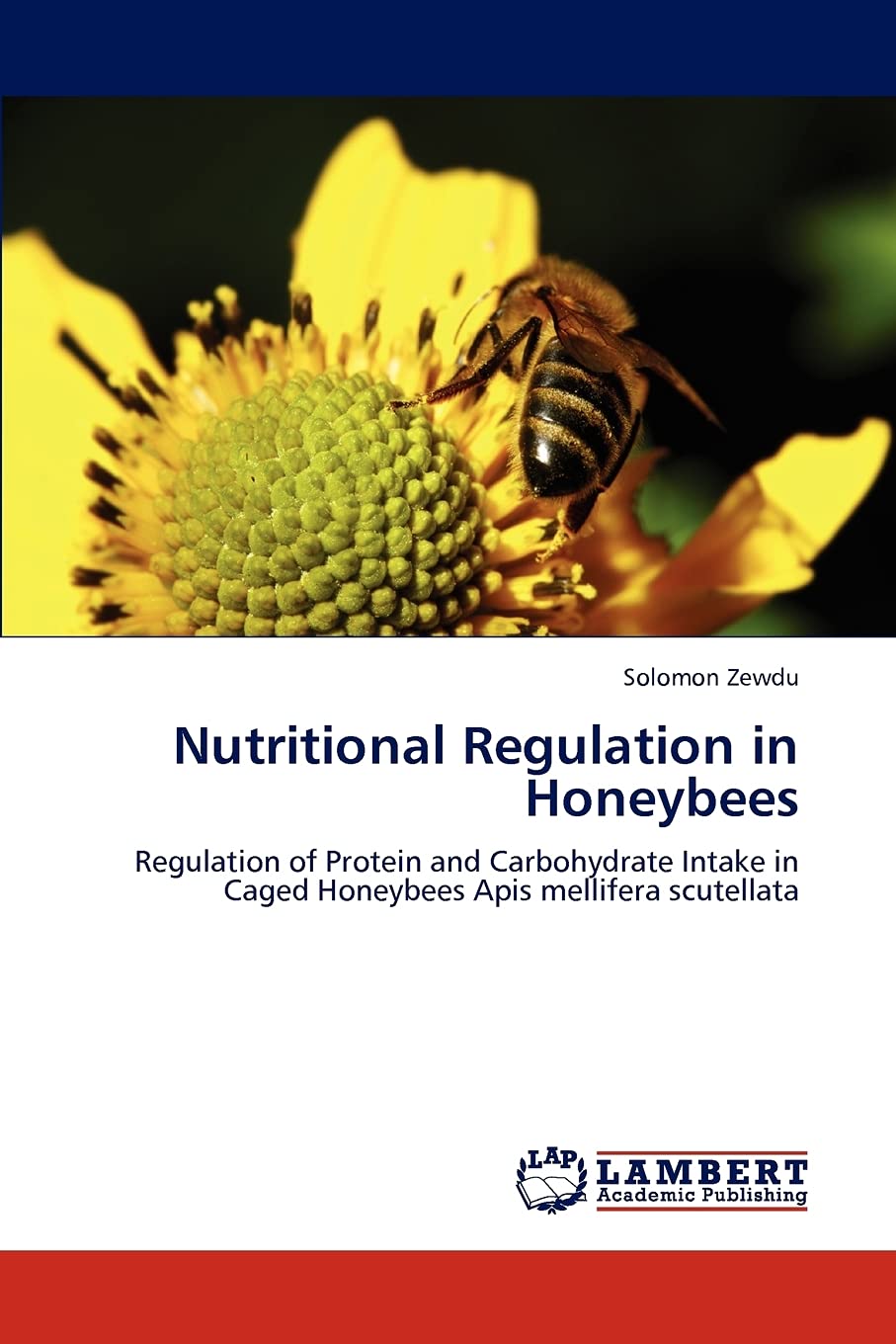
The nutritional needs of bees are supplied by nectar carbohydrates and by protein and other nutrients in pollen, but little is known of how they achieve nutritional balance from floral sources. Using newly emerged caged worker honeybees (Apis mellifera scutellata), whether bees maintain their intake target when confined to pairs of imbalanced complementary diets varying in protein to carbohydrate (P:C) ratio was investigated. The diets were formulated using three protein sources (casein, royal jelly or FeedBee, a natural pollen substitute) and sucrose. Honeybees from five colonies balanced their protein and carbohydrate intake by switching between complementary diets. Performance of caged workers was also assessed in terms of survival and ovarian activation, and here there were differences among the protein sources. Nutrient intake of broodless caged worker honeybees is directly related to their own physiological requirements, and the strong carbohydrate bias represents the natural conditions during a broodless period such as winter. This study, therefore, provides a better understanding of the collective nutritional ecology of honeybees.
⚠️ WARNING (California Proposition 65):
This product may contain chemicals known to the State of California to cause cancer,
birth defects, or other reproductive harm.
For MAP (Minimum Advertised Price) violations and Intellectual Property (IP) or Trademark concerns, please contact:
support@ergodebooks.com
⚠️ California Proposition 65 Warning: Some products sold on this website may expose you to chemicals known to the State of California to cause cancer, birth defects, or other reproductive harm. For more information, visit www.P65Warnings.ca.gov.