
Title
Objects as Envoys: Cloth, Imagery, and Diplomacy in Madagascar,Used
Sold by Ergodebooks, an authorized reseller.
Returns accepted within 30 days | support@ergodebooks.com
Shipping Information
- Free Standard Shipping — United States only
- Processing Time: 3–5 business days
- Estimated Delivery: 6–10 business days after dispatch
- Double-boxed, fully insured & discreetly packaged
- Tracking number sent via email once dispatched
Returns & Refund
Returns accepted within 30 days of delivery.
Damaged or Defective Item
Free return shipping + replacement or full refund
Wrong Item Received
Free return shipping + replacement or full refund
Change of Mind
Return shipping at customer's expense · 25% restocking fee applies
Payment Option

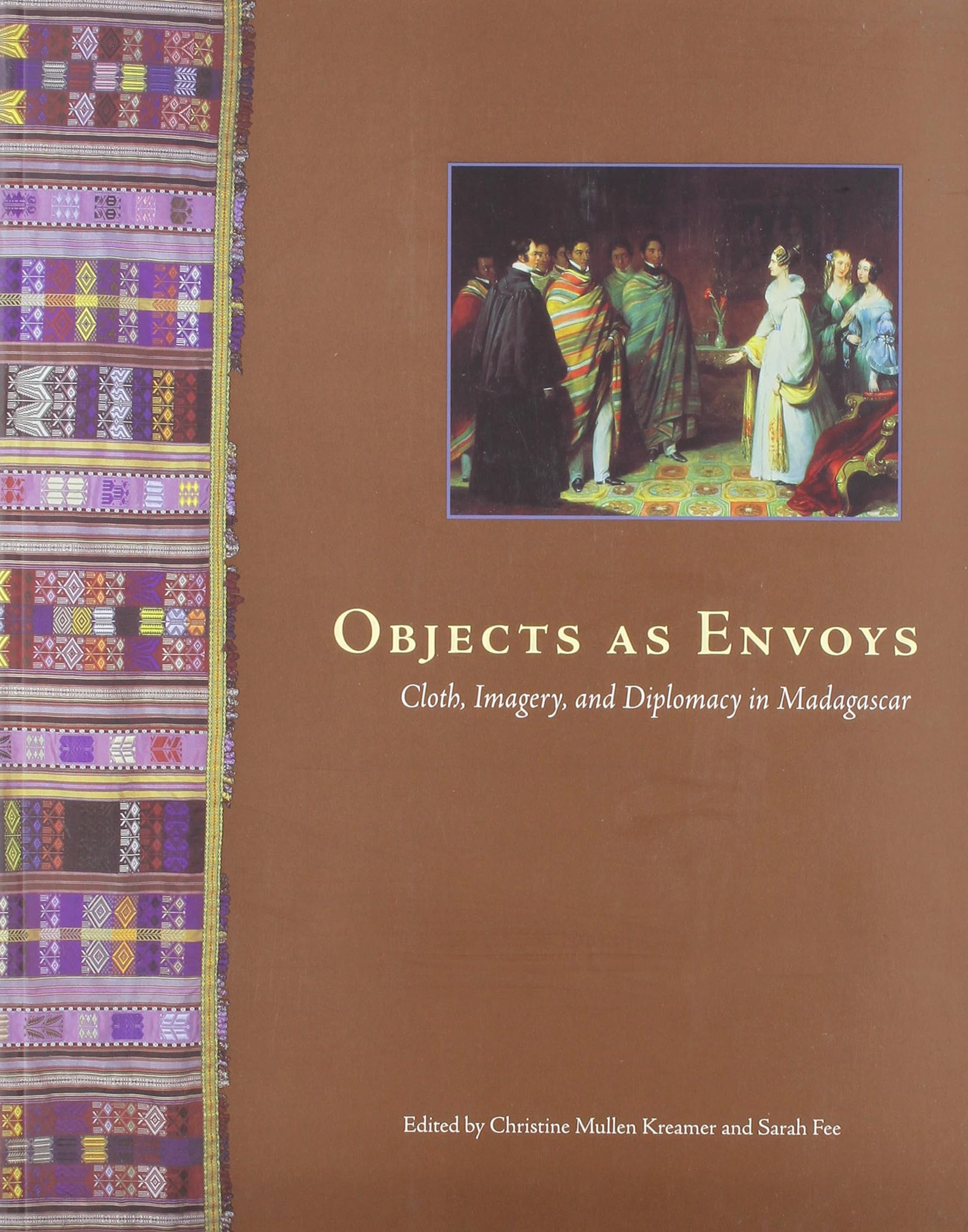
In 1886, Queen Ranavalona III of the African island nation of Madagascar offered U.S. President Grover Cleveland two striking handwoven silk textiles. The American government later reciprocated with an autographed photographic portrait of the president. Although on the surface a straightforward diplomatic exchange, the objects usedand the ideas behind themreveal a wealth of information about the culture and history of Madagascar, and its relations with the West.The essays in Objects as Envoys contextualize and explain the broader significance of this exchange, deftly interweaving discussions of cloth production, international diplomacy, and popular representations of Madagascar and the Malagasy people in Europe and the United States. Together they tell a fascinating story of the people and history of this island country.The first two essays provide a comprehensive survey of Madagascar's textiles, past and present. They examine the importance of cloth to the Malagasy, both as creative works of art and as objects imbued with great social and cultural significance. From simple cotton wrappers and raffia work shirts to delicately textured, vibrantly colored silk lama, textilesthe quintessential Malagasy gifthave been used in Madagascar to mark ethnic and gender identity, to indicate status and power relations, to create and renegotiate social ties, to serve as tribute to the dead, and to promote diplomatic overtures to foreign nations. When used as envoys, however, objects are likely to acquire new meanings, as recipients reinterpret and use them according to their own cultural understandings.The littleknown history of AmericanMalagasy ties is explored through the compelling biography of John Lewis Waller, an African American born into slavery who, as the American consul to Madagascar from 1891 to 1894, both supported Madagascar's independence and dreamed of establishing an allblack colony there.The exchangesand also the misunderstandingsthat have characterized the meetings between Madagascar and Western nations and peoples are further examined through a study of the ways in which 19thcentury photographs and other visual images were used by Westerners to create stereotypes of the Malagasy and by the Malagasy themselves to create and project identities of their own choosing.
⚠️ WARNING (California Proposition 65):
This product may contain chemicals known to the State of California to cause cancer, birth defects, or other reproductive harm.
For more information, please visit www.P65Warnings.ca.gov.