
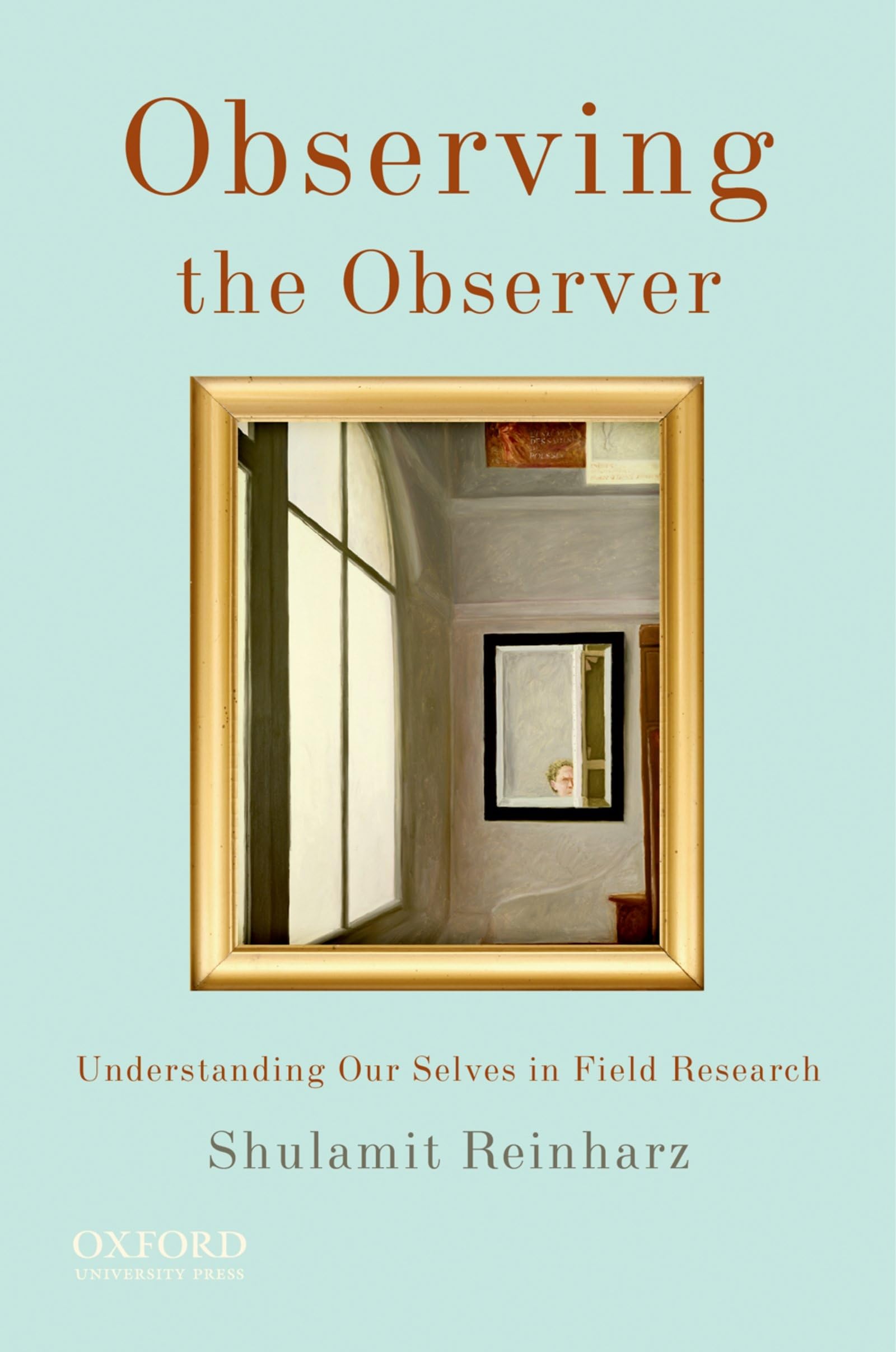
Title
Observing the Observer: Understanding Our Selves in Field Research,Used
Sold by Ergodebooks, an authorized reseller.
Returns accepted within 30 days | support@ergodebooks.com
Shipping Information
- Free Standard Shipping — United States only
- Processing Time: 3–5 business days
- Estimated Delivery: 6–10 business days after dispatch
- Double-boxed, fully insured & discreetly packaged
- Tracking number sent via email once dispatched
Returns & Refund
Returns accepted within 30 days of delivery.
Damaged or Defective Item
Free return shipping + replacement or full refund
Wrong Item Received
Free return shipping + replacement or full refund
Change of Mind
Return shipping at customer's expense · 25% restocking fee applies
Payment Option

Ethnography or participant observation research has been performed since the early nineteenth century and is now one of the most common ways for field researchers to gain an indepth understanding of social life. In Observing the Observer: Understanding Our Selves in Field Researchthe only book that covers the issue of 'reflexivity' in field researchauthor Shulamit Reinharz provides a captivating analysis of her yearlong stay in Israel, where she engaged in a study of aging on a kibbutz. Exploring the issue of 'reflexivity,' this unique volume focuses on the key tool in fieldworkthe self. It discusses how the many facets of the self (or 'selves') of a researcherresearch selves, personal selves, and situational selvescan affect how research is enacted and reported on. The book addresses many of the current debates on fieldwork, especially those that have arisen in the feminist literature. Ideal for graduate courses in qualitative research methods, ethnographic methods, or ethnography, Observing the Observer can also be used in upperlevel undergraduate courses on qualitative methods.
⚠️ WARNING (California Proposition 65):
This product may contain chemicals known to the State of California to cause cancer, birth defects, or other reproductive harm.
For more information, please visit www.P65Warnings.ca.gov.
- Q: How many pages are in this book? A: This book has two hundred forty pages. It provides an in-depth exploration of reflexivity in field research.
- Q: What is the binding type of this book? A: The binding type is paperback. This makes it lightweight and easy to carry for field researchers.
- Q: What are the dimensions of this book? A: The dimensions are nine point zero nine inches in length, zero point five one inches in width, and five point nine eight inches in height. These dimensions make it a compact read.
- Q: Who is the author of this book? A: The author is Shulamit Reinharz. She is known for her contributions to ethnographic research methods.
- Q: Is this book suitable for graduate-level courses? A: Yes, it is ideal for graduate courses in qualitative research methods. It also fits well in upper-level undergraduate courses.
- Q: What themes does this book cover? A: It covers themes of reflexivity and the self in field research. The book discusses how different selves of a researcher influence research outcomes.
- Q: How should I handle this book to keep it in good condition? A: Store it in a dry place away from direct sunlight. This will prevent fading and preserve the binding.
- Q: Can this book be used for undergraduate studies? A: Yes, it can be used in upper-level undergraduate courses on qualitative methods. It is accessible for students new to ethnography.
- Q: What should I do if the book arrives damaged? A: Contact the seller for a return or exchange. Most sellers have policies to address damaged goods.
- Q: Is there a warranty for this book? A: No, books typically do not come with warranties. However, check the return policy for any issues.
- Q: What is the focus of the book's analysis? A: The focus is on the concept of reflexivity in field research. It highlights the researcher's self and its impact on data collection.
- Q: Does this book discuss feminist literature? A: Yes, it addresses current debates on fieldwork, particularly those that have arisen in feminist literature. This adds depth to its analysis.
- Q: What research methods does the author emphasize? A: The author emphasizes qualitative and ethnographic research methods. The book serves as a guide for conducting field research.
- Q: Is this book recommended for anyone outside academia? A: Yes, while it's academic, anyone interested in ethnographic studies can benefit from its insights. It presents valuable information on reflexivity.
- Q: What is the main argument of the book? A: The main argument is that the researcher's self influences fieldwork and findings. It explores the various selves involved in research.