
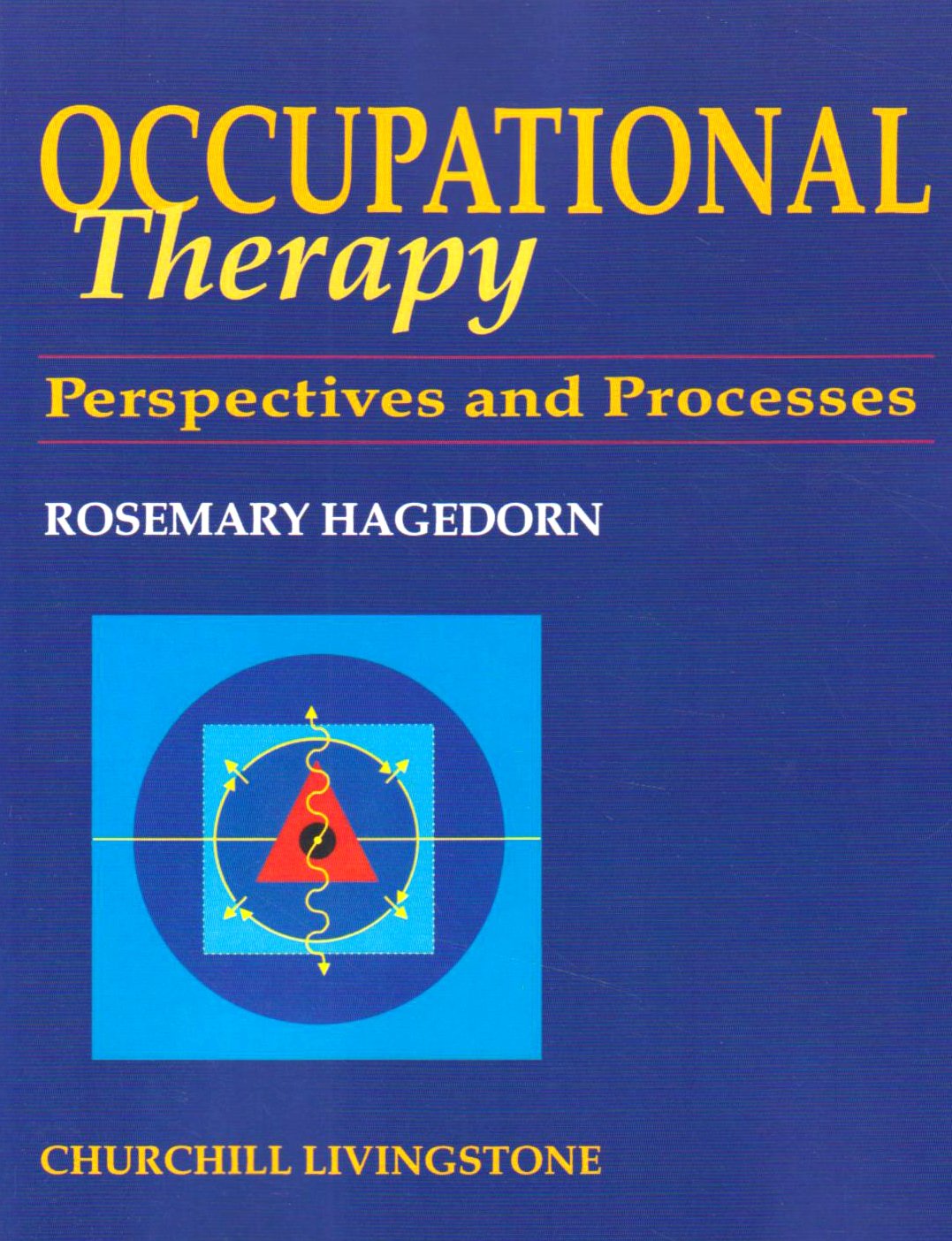
Title
Occupational Therapy: Perspectives and Processes,Used
Sold by Ergodebooks, an authorized reseller.
Returns accepted within 30 days | support@ergodebooks.com
Shipping Information
- Free Standard Shipping — United States only
- Processing Time: 3–5 business days
- Estimated Delivery: 6–10 business days after dispatch
- Double-boxed, fully insured & discreetly packaged
- Tracking number sent via email once dispatched
Returns & Refund
Returns accepted within 30 days of delivery.
Damaged or Defective Item
Free return shipping + replacement or full refund
Wrong Item Received
Free return shipping + replacement or full refund
Change of Mind
Return shipping at customer's expense · 25% restocking fee applies
Payment Option

A book which challenges all occupational therapists to evaluate their own practice and to carry out research. The author is already well known to occupational therapists as the author of Occupational Therapy: Foundations for Practice. In this new book she provides a review of the profession as well as an update of current ideas concerning the core of occupational therapy.The book is divided into two parts: Part1 Perspectives, reviews the core philosophy, purposes and methods of the practice of occupational therapy. Part 2 Processes, examines seven basic processes used by therapists. The book will be invaluable to occupational therapists at all levels. In presenting her individual perspective on occupational therapy theory and practice Rosemary Hagedorn has written a book which will help all health care workers to improve their understanding of the scope of occupational therapy.This book not only identifies and defines the core skills central to O.T. practice, but shows how the skills are related to the therapeutic approaches most commonly used. These skills are presented within a structured framework (or model) which will be of great relevance to current thinking in O.T., as the profession is presently endeavouring to define its professional role. and key topics discussed are: nature of occupation and occupational therapy core concepts how occupational therapy is unique occupational therapist's view of occupation, the environment, person and therapist recent developments within occupational therapy in the UK relationship of theory to practice description of seven occupational processes terminology definitions of terms are clarified and discussed reflective exercises encourage examination of personal ideas and practice Important new presentations from the author include: models of the occupational nature of a person and processdriven pattern of practice hierarchy of occupations and associated structure for occupational analysis
⚠️ WARNING (California Proposition 65):
This product may contain chemicals known to the State of California to cause cancer, birth defects, or other reproductive harm.
For more information, please visit www.P65Warnings.ca.gov.