
Title
Occupied America: British Military Rule And The Experience Of Revolution (Early American Studies),New
Sold by Ergodebooks, an authorized reseller.
Returns accepted within 30 days | support@ergodebooks.com
Shipping Information
- Free Standard Shipping — United States only
- Processing Time: 3–5 business days
- Estimated Delivery: 6–10 business days after dispatch
- Double-boxed, fully insured & discreetly packaged
- Tracking number sent via email once dispatched
Returns & Refund
Returns accepted within 30 days of delivery.
Damaged or Defective Item
Free return shipping + replacement or full refund
Wrong Item Received
Free return shipping + replacement or full refund
Change of Mind
Return shipping at customer's expense · 25% restocking fee applies
Payment Option

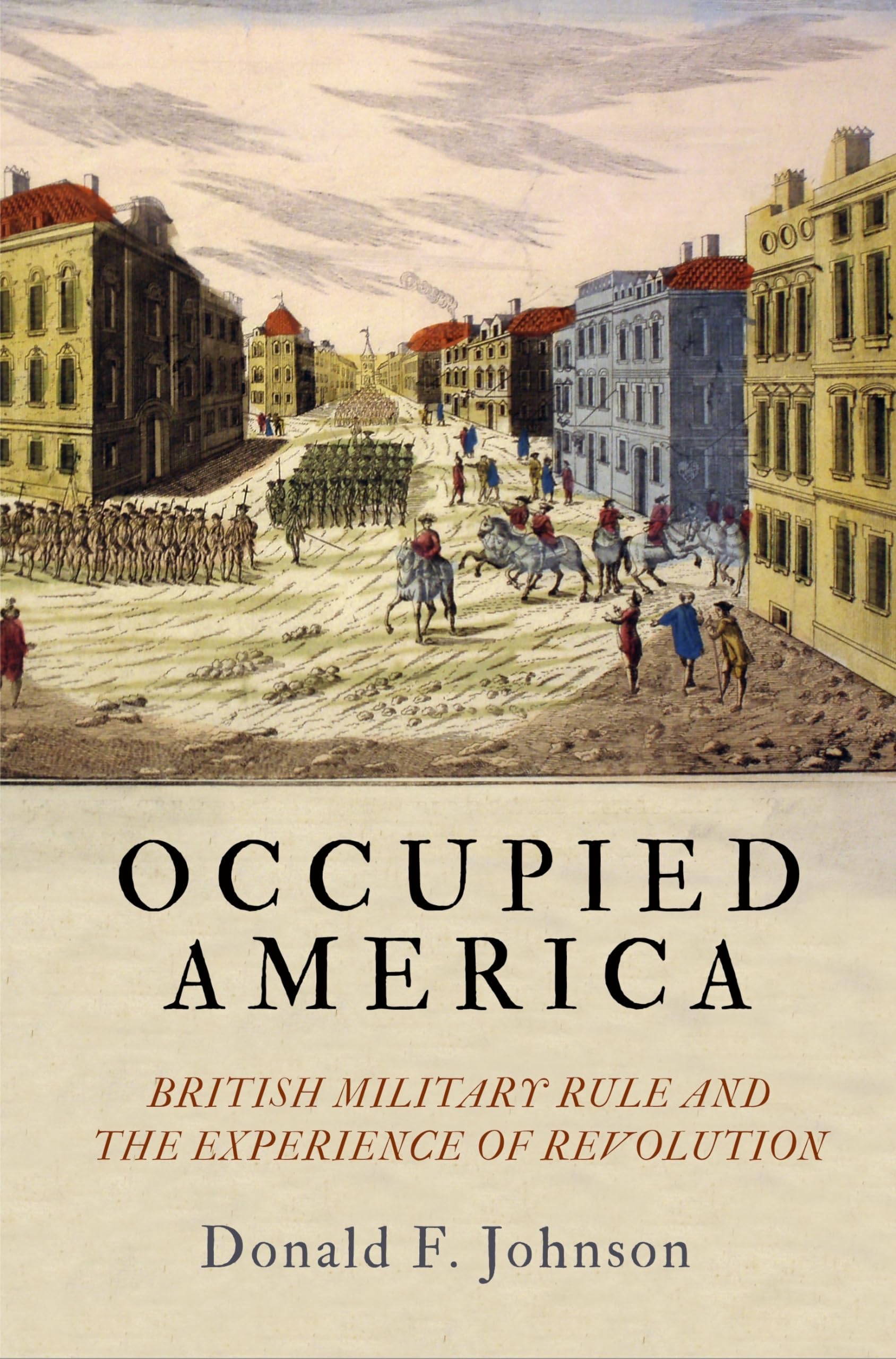
In Occupied America, Donald F. Johnson chronicles the everyday experience of ordinary people living under military occupation during the American Revolution. Focusing on daytoday life in port cities held by the British Army, Johnson recounts how men and women from a variety of backgrounds navigated harsh conditions, mitigated threats to their families and livelihoods, took advantage of new opportunities, and balanced precariously between revolutionary and royal attempts to secure their allegiance.Between 1775 and 1783, every large port city along the Eastern seaboard fell under British rule at one time or another. As centers of population and commerce, these citiesBoston, New York, Newport, Philadelphia, Savannah, Charlestonshould have been bastions from which the empire could restore order and inspire loyalty. Military rule's exceptional social atmosphere initially did provide opportunities for many peopleespecially women and the enslaved, but also free men both rich and poorto reinvent their lives, and while these opportunities came with risks, the hope of social betterment inspired thousands to embrace military rule. Nevertheless, as Johnson demonstrates, occupation failed to bring about a restoration of imperial authority, as harsh material circumstances forced even the most loyal subjects to turn to illicit means to feed and shelter themselves, while many maintained ties to rebel camps for the same reasons. As occupations dragged on, most residents no longer viewed restored royal rule as a viable option.As Johnson argues, the experiences of these citizens reveal that the process of political change during the Revolution occurred not in a single instant but gradually, over the course of years of hardship under military rule that forced Americans to grapple with their allegiance in intensely personal and highly contingent ways. Thus, according to Johnson, the quotidian experience of military occupation directly affected the outcome of the American Revolution.
⚠️ WARNING (California Proposition 65):
This product may contain chemicals known to the State of California to cause cancer, birth defects, or other reproductive harm.
For more information, please visit www.P65Warnings.ca.gov.