
Title
Oedipus and the Sphinx: The Threshold Myth from Sophocles through Freud to Cocteau,Used
Sold by Ergodebooks, an authorized reseller.
Returns accepted within 30 days | support@ergodebooks.com
Shipping Information
- Free Standard Shipping — United States only
- Processing Time: 3–5 business days
- Estimated Delivery: 6–10 business days after dispatch
- Double-boxed, fully insured & discreetly packaged
- Tracking number sent via email once dispatched
Returns & Refund
Returns accepted within 30 days of delivery.
Damaged or Defective Item
Free return shipping + replacement or full refund
Wrong Item Received
Free return shipping + replacement or full refund
Change of Mind
Return shipping at customer's expense · 25% restocking fee applies
Payment Option

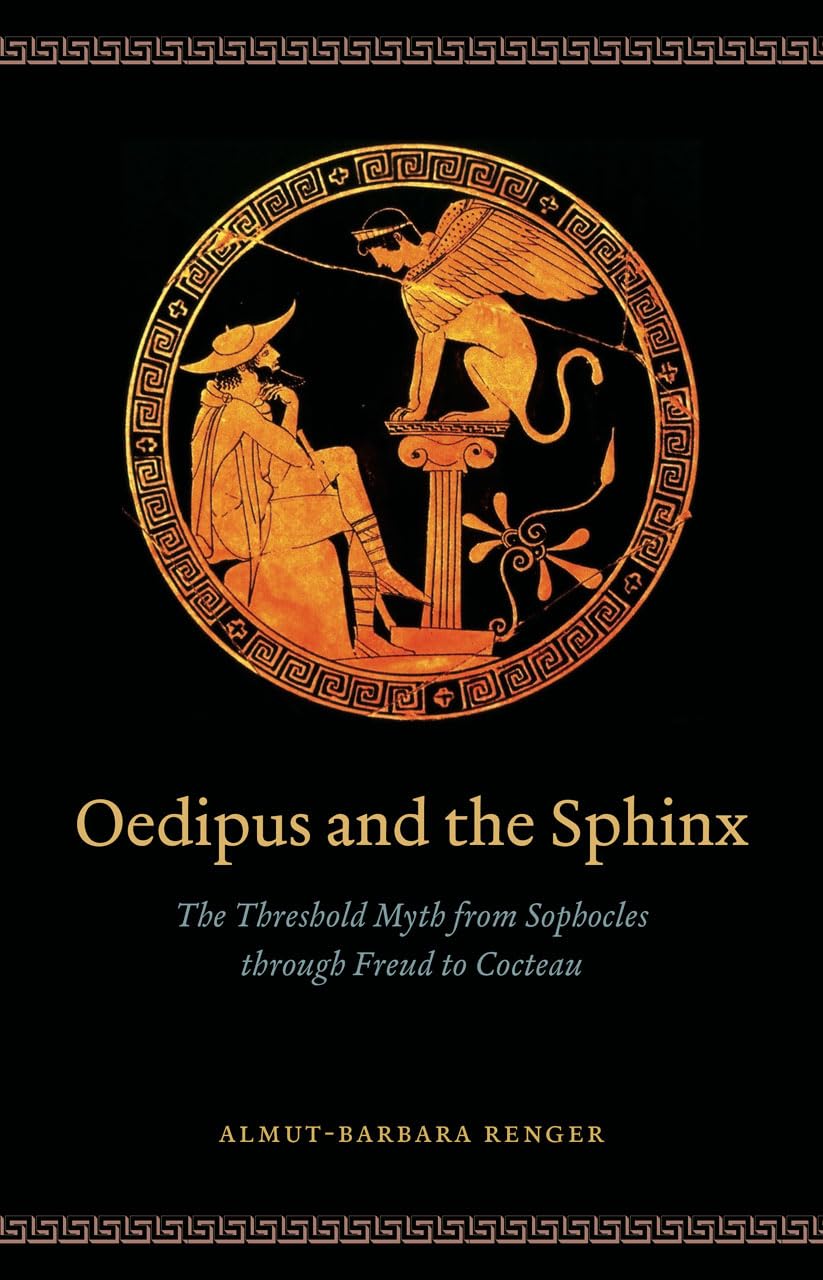
When Oedipus met the Sphinx on the road to Thebes, he did more than answer a riddlehe spawned a myth that, told and retold, would become one of Western cultures central narratives about selfunderstanding. Identifying the story as a threshold mythin which the hero crosses over into an unknown and dangerous realm where rules and limits are not knownOedipus and the Sphinx offers a fresh account of this mythic encounter and how it deals with the concepts of liminality and otherness.AlmutBarbara Renger assesses the storys meanings and functions in classical antiquityfrom its presence in ancient vase painting to its absence in Sophocless tragedybefore arriving at two of its major reworkings in European modernity: the psychoanalytic theory of Sigmund Freud and the poetics of Jean Cocteau. Through her readings, she highlights the ambiguous status of the Sphinx and reveals Oedipus himself to be a liminal creature, providing key insights into Sophocless portrayal and establishing a theoretical framework that organizes evaluations of the myths reception in the twentieth century. Revealing the narrative of Oedipus and the Sphinx to be the very paradigm of a key transition experienced by all of humankind, Renger situates myth between the competing claims of science and art in an engagement that has important implications for current debates in literary studies, psychoanalytic theory, cultural history, and aesthetics.
⚠️ WARNING (California Proposition 65):
This product may contain chemicals known to the State of California to cause cancer, birth defects, or other reproductive harm.
For more information, please visit www.P65Warnings.ca.gov.