If you have any questions, you are always welcome to contact us. We'll get back to you as soon as possible, withing 24 hours on weekdays.
Customer service
All questions about your order, return and delivery must be sent to our customer service team by e-mail at yourstore@yourdomain.com
Sale & Press
If you are interested in selling our products, need more information about our brand or wish to make a collaboration, please contact us at press@yourdomain.com
Help
If you have any questions, you are always welcome to contact us. We'll get back to you as soon as possible, withing 24 hours on weekdays.
Customer service
All questions about your order, return and delivery must be sent to our customer service team by e-mail at yourstore@yourdomain.com
Sale & Press
If you are interested in selling our products, need more information about our brand or wish to make a collaboration, please contact us at press@yourdomain.com
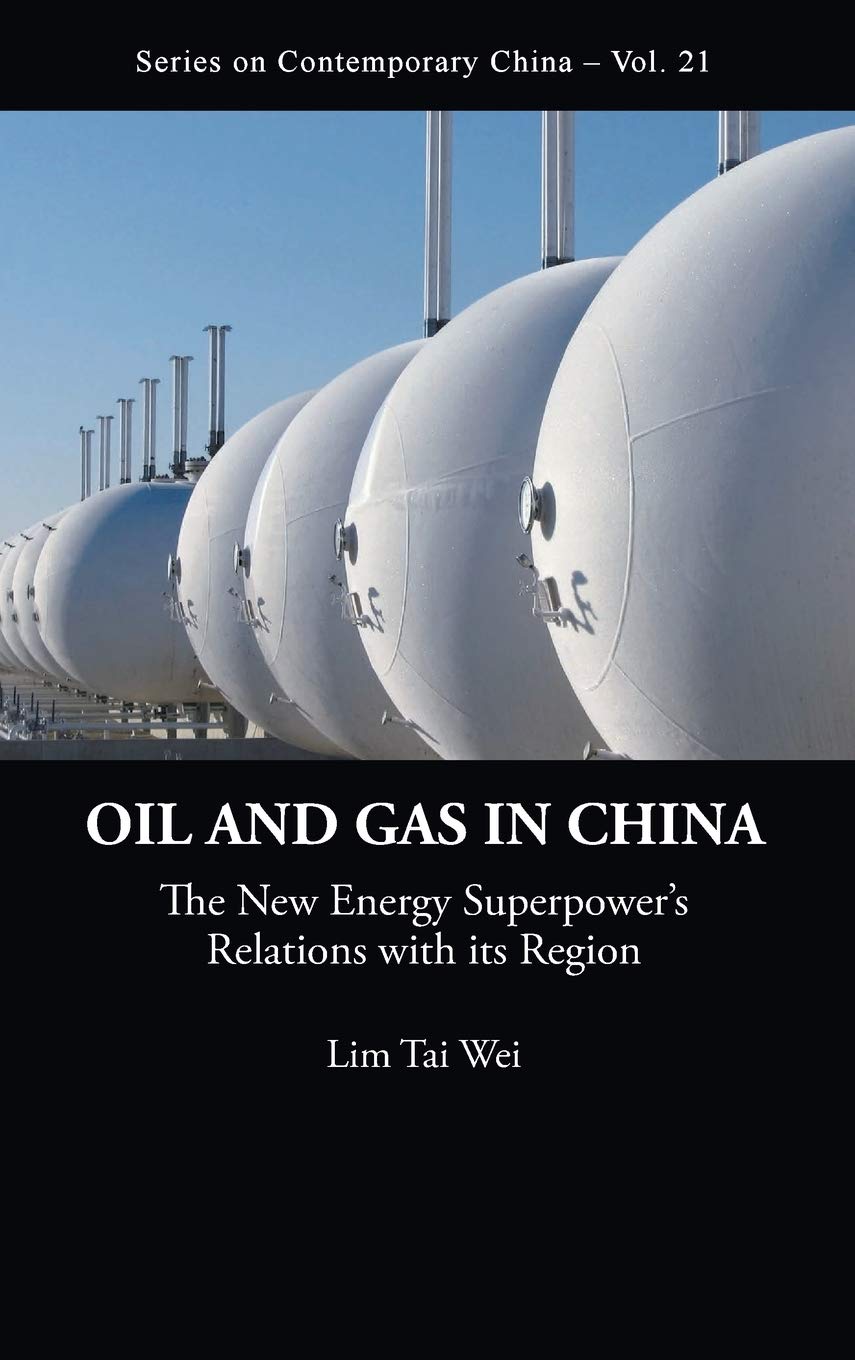
This book looks at the emergence of China as a major importer and consumer of energy as well as examines contemporary issues within the Chinese oil industry. As China benefits from globalization, what is the impact on China's relations with countries in its neighbouring region when it seeks more oil importation from overseas sources? China's industrial growth in the Pan Pearl River Delta Region is outstripping its oil supply and China is turning to the ASEAN countries connected to its Pearl River tributaries to form a Pan region that acts both as a conduit for oil supply from other sources as well as the supply source itself. Geopolitics in the region represents one of the main obstacles standing in China's way for a regional agreement on maritime resources. Would the pressure on China for more energy translate into tension and conflicts? How will Japan view or compete with China's initiatives in ASEAN given that Japan is still the region's largest investor. After China's landmark energy crisis in 2004, how will China be able to strike a balance between economic growth and energy consumption? With the growing importance of postindustrial debate and environmentalism, what are the implications of postindustrialism for China? For future energy use, how will China utilize the options of alternative energy, energy conservation and reinvigoration of old energy resources to meet its future oil needs?
⚠️ WARNING (California Proposition 65):
This product may contain chemicals known to the State of California to cause cancer,
birth defects, or other reproductive harm.
For MAP (Minimum Advertised Price) violations and Intellectual Property (IP) or Trademark concerns, please contact:
support@ergodebooks.com
⚠️ California Proposition 65 Warning: Some products sold on this website may expose you to chemicals known to the State of California to cause cancer, birth defects, or other reproductive harm. For more information, visit www.P65Warnings.ca.gov.