
Title
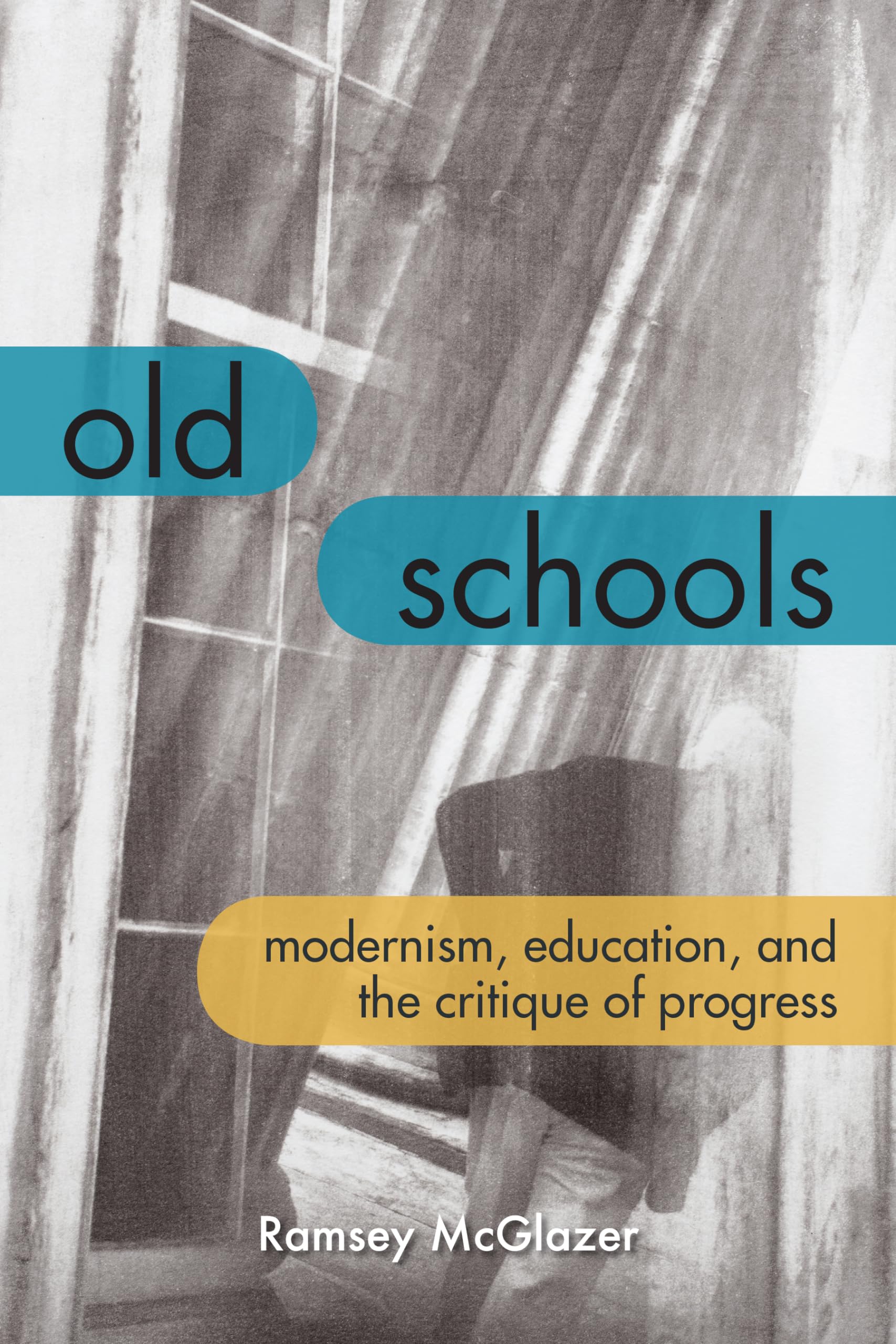
Old Schools: Modernism, Education, and the Critique of Progress (Lit Z),Used
Sold by Ergodebooks, an authorized reseller.
Returns accepted within 30 days | support@ergodebooks.com
Shipping Information
- Free Standard Shipping — United States only
- Processing Time: 3–5 business days
- Estimated Delivery: 6–10 business days after dispatch
- Double-boxed, fully insured & discreetly packaged
- Tracking number sent via email once dispatched
Returns & Refund
Returns accepted within 30 days of delivery.
Damaged or Defective Item
Free return shipping + replacement or full refund
Wrong Item Received
Free return shipping + replacement or full refund
Change of Mind
Return shipping at customer's expense · 25% restocking fee applies
Payment Option

Winner: AAIS First Book PrizeOld Schools marks out a modernist countertradition. The book makes sense of an apparent anachronism in twentiethcentury literature and cinema: a fascination with outmoded, paradigmatically premodern educational forms that persists long after they are displaced in progressive pedagogical theories.Advocates of progressive education turned against Latin in particular. The dead languagetaught through timetested means including memorization, recitation, copying out, and other forms of repetition and recallneeded to be updated or eliminated, reformers argued, so that students could breathe free and become modern, achieving a break with convention and constraint.Yet McGlazers remarkable book reminds us that progressive education was championed not only by political progressives, but also by Fascists in Italy, where it was an object of Gramscis critique. Building on Gramscis pages on the Latin class, McGlazer shows how figures in various cultural vanguards, from Victorian Britain to 1970s Brazil, returned to and reimagined the old school.Strikingly, the works that McGlazer considers valorize this schools outmoded techniques even at their most cumbersome and conventional. Like the Latin class to which they return, these works produce constraints that feel limiting but that, by virtue of that limitation, invite valuable resistance. As they turn grammar drills into verse and repetitious lectures into voiceovers, they find unlikely resources for critique in the very practices that progressive reformers sought to clear away.Registering the pasts persistence even while they respond to the mounting pressures of modernization, writers and filmmakers from Pater to Joyce to Pasolini retain what might look like retrograde attachmentsto tradition, transmission, scholastic rites, and repetitive forms. But the counterprogressive pedagogies that they devise repeat the past to increasingly radical effect. Old Schools teaches us that this kind of repetition can enable the change that it might seem to impede.
⚠️ WARNING (California Proposition 65):
This product may contain chemicals known to the State of California to cause cancer, birth defects, or other reproductive harm.
For more information, please visit www.P65Warnings.ca.gov.