
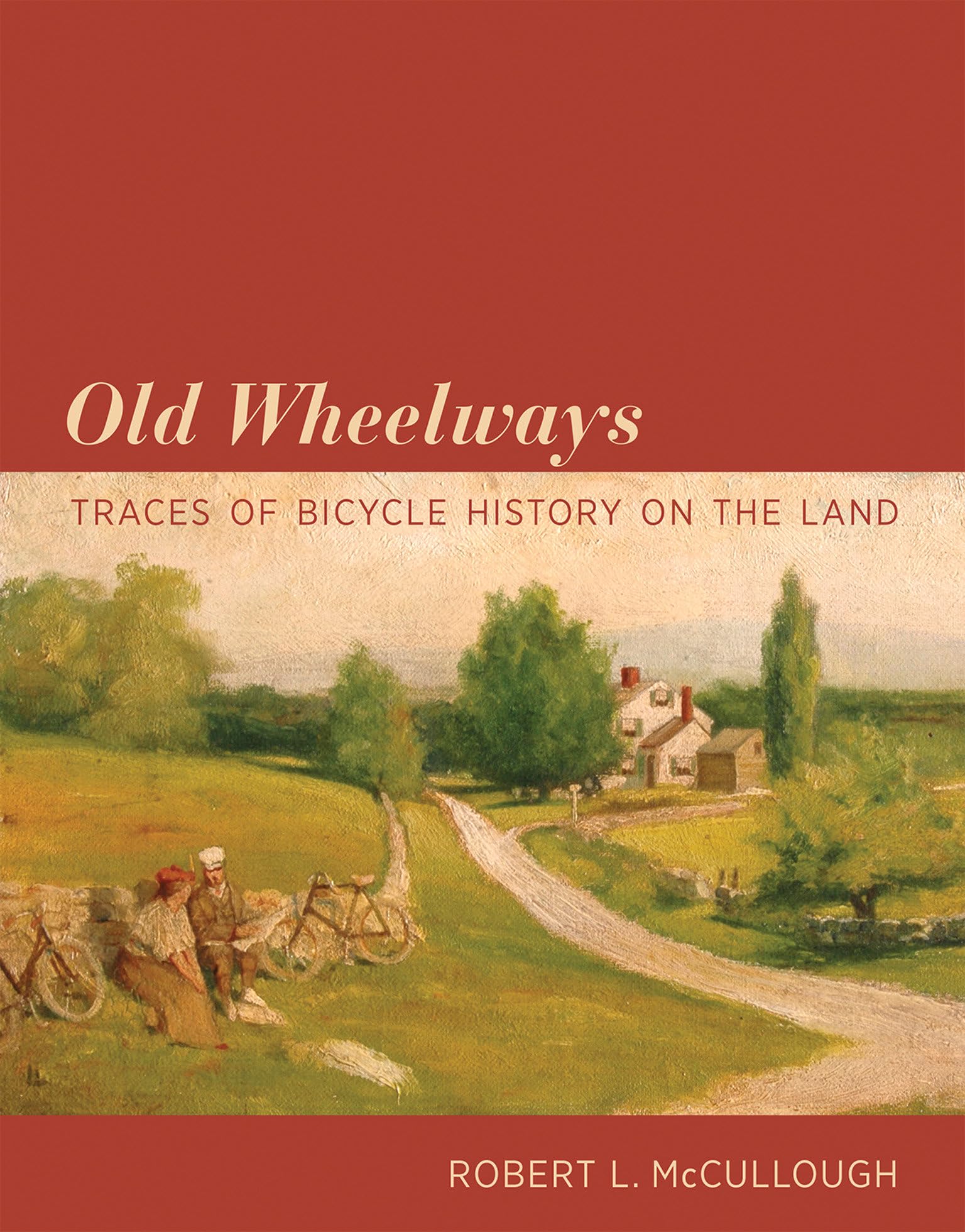
Title
Old Wheelways: Traces of Bicycle History on the Land,New
Sold by Ergodebooks, an authorized reseller.
Returns accepted within 30 days | support@ergodebooks.com
Shipping Information
- Free Standard Shipping — United States only
- Processing Time: 3–5 business days
- Estimated Delivery: 6–10 business days after dispatch
- Double-boxed, fully insured & discreetly packaged
- Tracking number sent via email once dispatched
Returns & Refund
Returns accepted within 30 days of delivery.
Damaged or Defective Item
Free return shipping + replacement or full refund
Wrong Item Received
Free return shipping + replacement or full refund
Change of Mind
Return shipping at customer's expense · 25% restocking fee applies
Payment Option

How American bicyclists shaped the landscape and left traces of their journeys for us in writing, illustrations, and photographs.In the later part of the nineteenth century, American bicyclists were explorers, cycling through both charted and uncharted territory. These wheelmen and wheelwomen became keen observers of suburban and rural landscapes, and left copious records of their journeysin travel narratives, journalism, maps, photographs, illustrations. They were also instrumental in the construction of roads and paths (wheelways)building them, funding them, and lobbying legislators for them. Their explorations shaped the landscape and the way we look at it, yet with few exceptions their writings have been largely overlooked by landscape scholars, and many of the paths cyclists cleared have disappeared. In Old Wheelways, Robert McCullough restores the pioneering cyclists of the nineteenth century to the history of American landscapes.McCullough recounts marathon cycling trips around the Northeast undertaken by hardy cyclists, who then describe their journeys in such magazines as The Wheelman Illustrated and Bicycling World; the work of illustrators (including Childe Hassam, before his fame as a painter); efforts by cyclists to build better rural roads and bicycle paths; and conflicts with park planners, including the famous Olmsted Firm, who often opposed separate paths for bicycles.Today's ubiquitous bicycle lanes owe their origins to nineteenth century versions, including New York City's asphalt ribbons. Long before there were rails to trails, there was a movement to adapt existing passagewaysincluding aqueduct corridors, trolley rightsofway, and canal towpathsfor bicycling. The campaigns for wheelways, McCullough points out, offer a prologue to nearly every obstacle faced by those advocating bicycle paths and lanes today.McCullough's text is enriched by more than one hundred historic images of cyclists (often attired in skirts and bonnets, suits and ties), country lanes, and city streets.
⚠️ WARNING (California Proposition 65):
This product may contain chemicals known to the State of California to cause cancer, birth defects, or other reproductive harm.
For more information, please visit www.P65Warnings.ca.gov.