
Title
On Company Time: American Modernism in the Big Magazines (Modernist Latitudes),Used
Sold by Ergodebooks, an authorized reseller.
Returns accepted within 30 days | support@ergodebooks.com
Shipping Information
- Free Standard Shipping — United States only
- Processing Time: 3–5 business days
- Estimated Delivery: 6–10 business days after dispatch
- Double-boxed, fully insured & discreetly packaged
- Tracking number sent via email once dispatched
Returns & Refund
Returns accepted within 30 days of delivery.
Damaged or Defective Item
Free return shipping + replacement or full refund
Wrong Item Received
Free return shipping + replacement or full refund
Change of Mind
Return shipping at customer's expense · 25% restocking fee applies
Payment Option

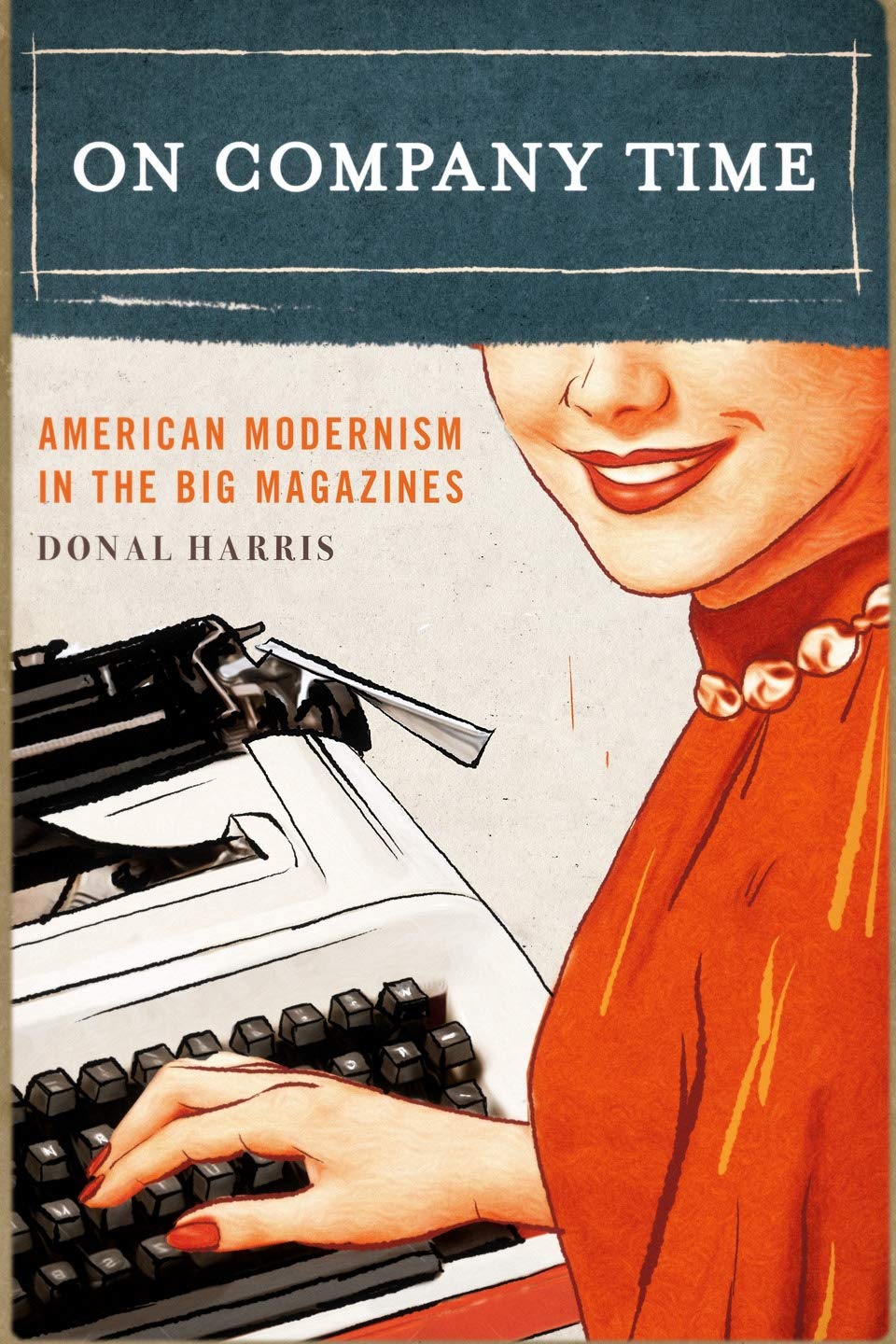
American novelists and poets who came of age in the early twentieth century were taught to avoid journalism 'like wet sox and gin before breakfast.' It dulled creativity, rewarded sensationalist content, and stole time from 'serious' writing. Yet Willa Cather, W. E. B. Du Bois, Jessie Fauset, James Agee, T. S. Eliot, and Ernest Hemingway all worked in the editorial offices of groundbreaking popular magazines and helped to invent the house styles that defined McClure's, The Crisis, Time, Life, Esquire, and others. On Company Time tells the story of American modernism from inside the offices and on the pages of the most successful and stylish magazines of the twentieth century. Working across the borders of media history, the sociology of literature, print culture, and literary studies, Donal Harris draws out the profound institutional, economic, and aesthetic affiliations between modernism and American magazine culture.Starting in the 1890s, a growing number of writers found steady paychecks and regular publishing opportunities as editors and reporters at big magazines. Often privileging innovative style over latebreaking content, these magazines prized novelists and poets for their innovation and attention to literary craft. In recounting this history, On Company Time challenges the narrative of decline that often accompanies modernism's incorporation into midcentury middlebrow culture. Its integrated account of literary and journalistic form shows American modernism evolving within as opposed to against mass print culture. Harris's work also provides an understanding of modernism that extends beyond narratives centered on little magazines and other 'institutions of modernism' that served narrow audiences. And for the writers, the 'double life' of working for these magazines shaped modernism's literary form and created new models of authorship.
⚠️ WARNING (California Proposition 65):
This product may contain chemicals known to the State of California to cause cancer, birth defects, or other reproductive harm.
For more information, please visit www.P65Warnings.ca.gov.