
Title
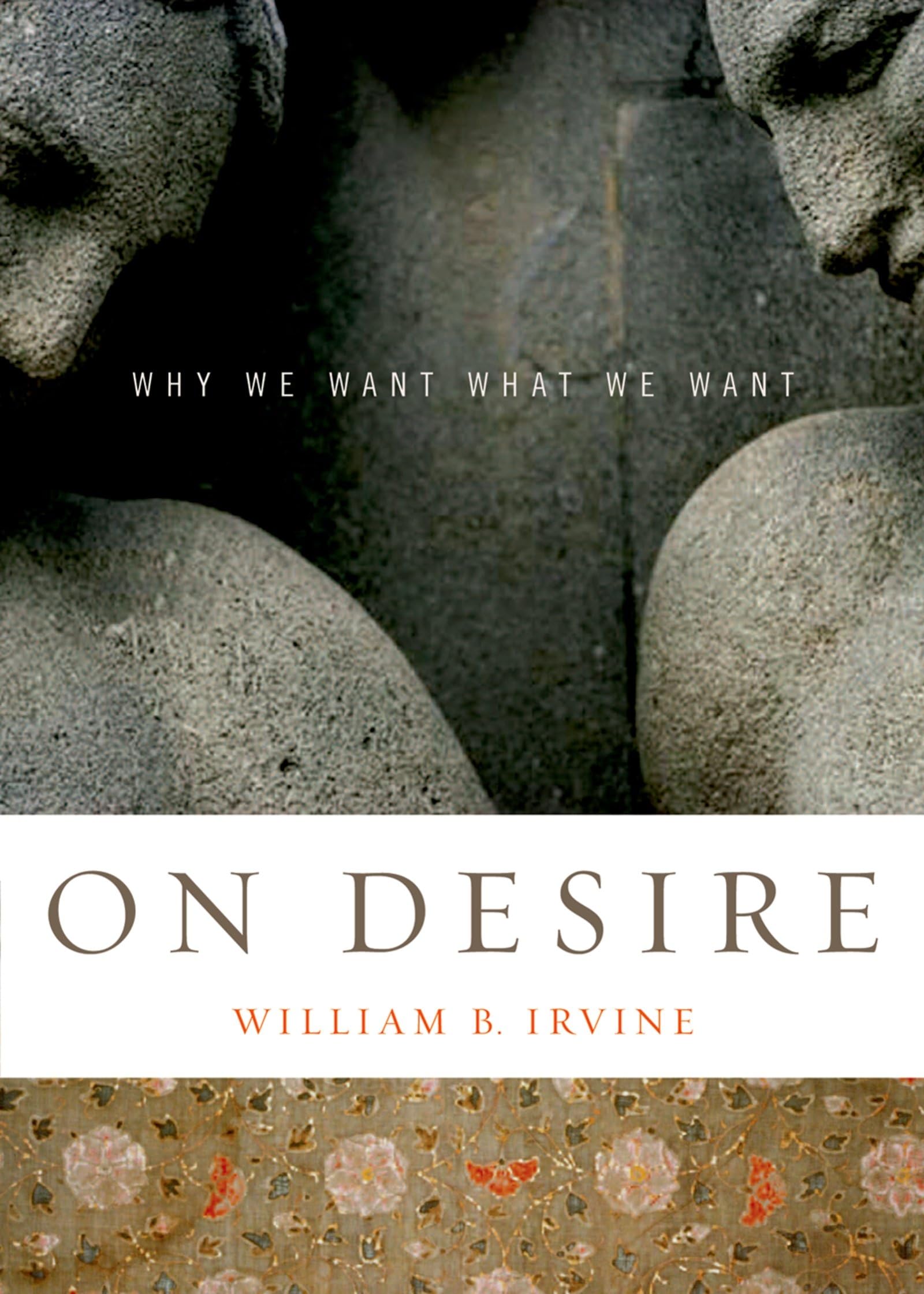
On Desire: Why We Want What We Want
Sold by Ergodebooks, an authorized reseller.
Returns accepted within 30 days | support@ergodebooks.com
Shipping Information
- Free Standard Shipping — United States only
- Processing Time: 3–5 business days
- Estimated Delivery: 6–10 business days after dispatch
- Double-boxed, fully insured & discreetly packaged
- Tracking number sent via email once dispatched
Returns & Refund
Returns accepted within 30 days of delivery.
Damaged or Defective Item
Free return shipping + replacement or full refund
Wrong Item Received
Free return shipping + replacement or full refund
Change of Mind
Return shipping at customer's expense · 25% restocking fee applies
Payment Option

A Married Person Falls Deeply In Love With Someone Else. A Man Of Average Income Feels He Cannot Be Truly Happy Unless He Owns An Expensive Luxury Car. A Dieter Has An Irresistible Craving For Ice Cream. Desires Often Come To Us Unbidden And Unwanted, And They Can Have A Dramatic Impact, Sometimes Changing The Course Of Our Lives.In On Desire, William B. Irvine Takes Us On A Wideranging Tour Of Our Impulses, Wants, And Needs, Showing Us Where These Feelings Come From And How We Can Try To Rein Them In. Spicing His Account With Engaging Observations By Writers Like Seneca, Tolstoy, And Freud, Irvine Considers The Teachings Of Buddhists, Hindus, The Amish, Shakers, And Catholic Saints, As Well As Those Of Ancient Greek And Roman And Modern European Philosophers. Irvine Also Looks At What Modern Science Can Tell Us About Desiresuch As What Happens In The Brain When We Desire Something And How Animals Evolved Particular Desiresand He Advances A New Theory About How Desire Itself Evolved. Irvine Also Suggests That At The Same Time That We Gained The Ability To Desire, We Were Programmed To Find Some Things More Desirable Than Others. Irvine Concludes That The Best Way To Attain Lasting Happiness Is Not To Change The World Around Us Or Our Place In It, But To Change Ourselves. If We Can Convince Ourselves To Want What We Already Have, We Can Dramatically Enhance Our Happiness.Brimming With Wisdom And Practical Advice, On Desire Offers A Thoughtful Approach To Controlling Unwanted Passions And Attaining A More Meaningful Life.
⚠️ WARNING (California Proposition 65):
This product may contain chemicals known to the State of California to cause cancer, birth defects, or other reproductive harm.
For more information, please visit www.P65Warnings.ca.gov.
- Q: What is the page count of 'On Desire'? A: The book has three hundred thirty-six pages. This length allows for an in-depth exploration of desire and its implications.
- Q: What is the binding type of this book? A: The book is available in paperback binding. This makes it lightweight and easy to carry around.
- Q: Who is the author of 'On Desire'? A: The author is William B. Irvine. He provides insights drawn from various philosophical and scientific perspectives.
- Q: What themes does 'On Desire' cover? A: The book explores themes of desire, happiness, and self-control. It examines how our wants can influence our lives.
- Q: Is 'On Desire' suitable for all age groups? A: Yes, the book is suitable for adult readers. Its themes are more relevant for mature audiences.
- Q: How can I apply the lessons from 'On Desire' in everyday life? A: Readers can apply the book's lessons by reflecting on their desires and practicing mindfulness. This helps in achieving a more meaningful life.
- Q: What is the main argument of 'On Desire'? A: The main argument is that changing our desires can lead to greater happiness. The author emphasizes the importance of wanting what we already have.
- Q: Are there practical exercises included in the book? A: Yes, the book includes practical advice and wisdom for managing desires. These insights are designed to enhance personal happiness.
- Q: Is 'On Desire' based on scientific research? A: Yes, the book incorporates modern scientific findings. It discusses how desires are processed in the brain and their evolutionary significance.
- Q: What philosophical perspectives does the book explore? A: The book explores perspectives from various philosophers, including Seneca and Tolstoy. It also references teachings from different cultures.
- Q: Can this book help with emotional well-being? A: Yes, it offers insights that can enhance emotional well-being. Readers can learn to manage unwanted passions effectively.
- Q: Does 'On Desire' address the relationship between desire and happiness? A: Yes, the book discusses how desire impacts happiness. It suggests that changing our mindset about desires can lead to fulfillment.
- Q: What types of desires are discussed in the book? A: The book discusses various types of desires, including material, romantic, and emotional wants. It analyzes their effects on our lives.
- Q: Is there a focus on historical figures in the book? A: Yes, the author references historical figures and philosophers. This adds depth to the exploration of desires throughout history.
- Q: How does 'On Desire' compare to other self-help books? A: It offers a unique blend of philosophy and science. Unlike many self-help books, it provides a thorough examination of the nature of desire.