If you have any questions, you are always welcome to contact us. We'll get back to you as soon as possible, withing 24 hours on weekdays.
Customer service
All questions about your order, return and delivery must be sent to our customer service team by e-mail at yourstore@yourdomain.com
Sale & Press
If you are interested in selling our products, need more information about our brand or wish to make a collaboration, please contact us at press@yourdomain.com
Help
If you have any questions, you are always welcome to contact us. We'll get back to you as soon as possible, withing 24 hours on weekdays.
Customer service
All questions about your order, return and delivery must be sent to our customer service team by e-mail at yourstore@yourdomain.com
Sale & Press
If you are interested in selling our products, need more information about our brand or wish to make a collaboration, please contact us at press@yourdomain.com
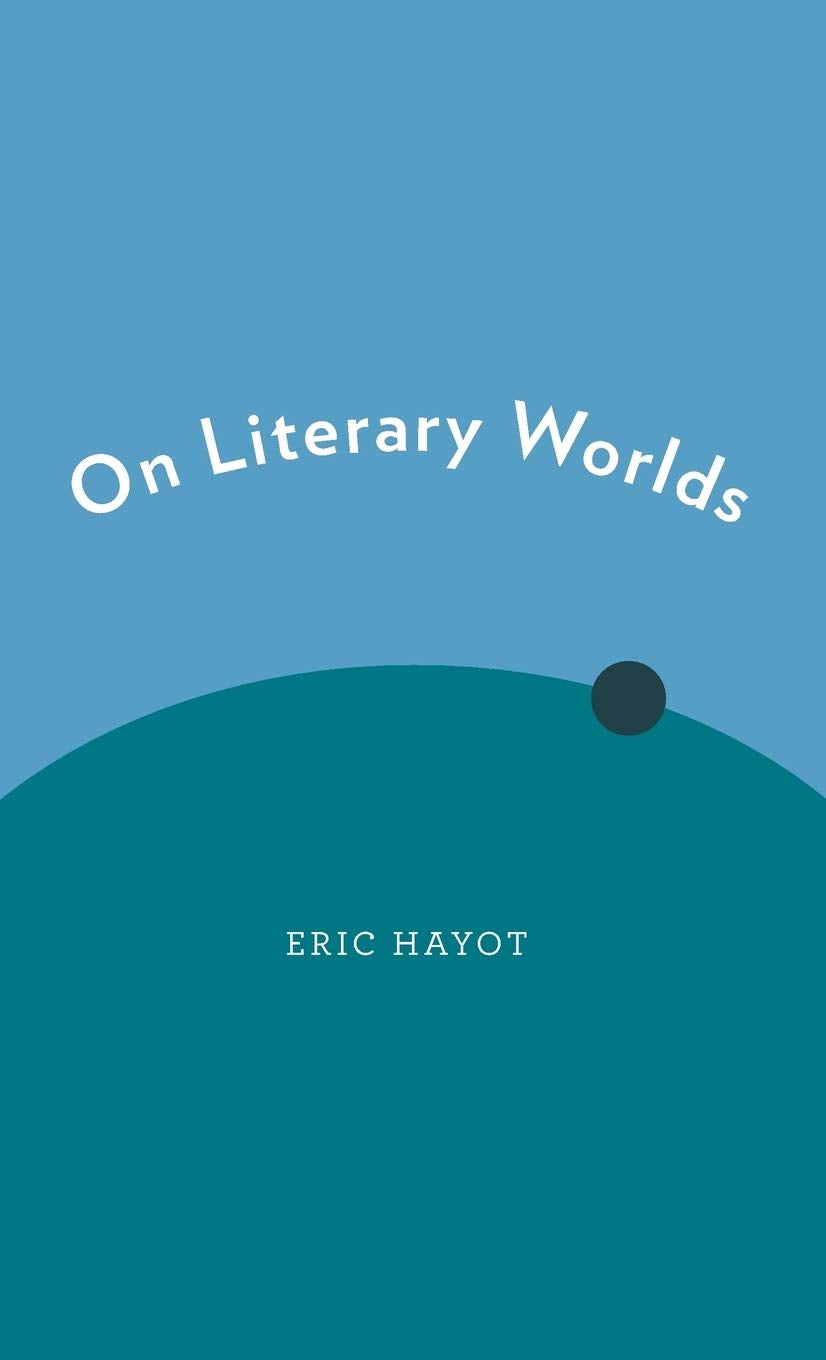
Although literature is not a technology, the historical models literary scholars use to describe it owe a great deal to the languages of originality, novelty, progress, and invention that characterize technological development. However this quintessentially modern mindsetputting progress at the center of historicitymakes it difficult for anyone eager to mount a case for why someone interested in the history of modern literary aesthetics ought to read the literature of the nonWestern world.In this groundbreaking book, Eric Hayot argues that contemporary debates about world literature and world literary systems can be rethought through an attention to the worldcreating force of aesthetic objects. As he rethinks from the ground up our concepts of literary progress and historicity, Hayot redescribes the history of modern literature as we know it (or as we think we know it), developing new concepts and new formal languages to describe the aesthetic 'physics' of the socially and imaginatively possible. Connecting this physics to historical shifts in worldview ranging from Copernicus to Marx, Don Quijote to Battlestar Galactica, On Literary Worlds shows how the very notion of the modern is, at heart, a cosmographical social form, and opens vast new directions for the future analysis of the activity and force of literature.
⚠️ WARNING (California Proposition 65):
This product may contain chemicals known to the State of California to cause cancer,
birth defects, or other reproductive harm.
For MAP (Minimum Advertised Price) violations and Intellectual Property (IP) or Trademark concerns, please contact:
support@ergodebooks.com
⚠️ California Proposition 65 Warning: Some products sold on this website may expose you to chemicals known to the State of California to cause cancer, birth defects, or other reproductive harm. For more information, visit www.P65Warnings.ca.gov.