
Title
On Many Routes: Internal, European, And Transatlantic Migration In The Late Habsburg Empire (Central European Studies),Used
Sold by Ergodebooks, an authorized reseller.
Returns accepted within 30 days | support@ergodebooks.com
Shipping Information
- Free Standard Shipping — United States only
- Processing Time: 3–5 business days
- Estimated Delivery: 6–10 business days after dispatch
- Double-boxed, fully insured & discreetly packaged
- Tracking number sent via email once dispatched
Returns & Refund
Returns accepted within 30 days of delivery.
Damaged or Defective Item
Free return shipping + replacement or full refund
Wrong Item Received
Free return shipping + replacement or full refund
Change of Mind
Return shipping at customer's expense · 25% restocking fee applies
Payment Option

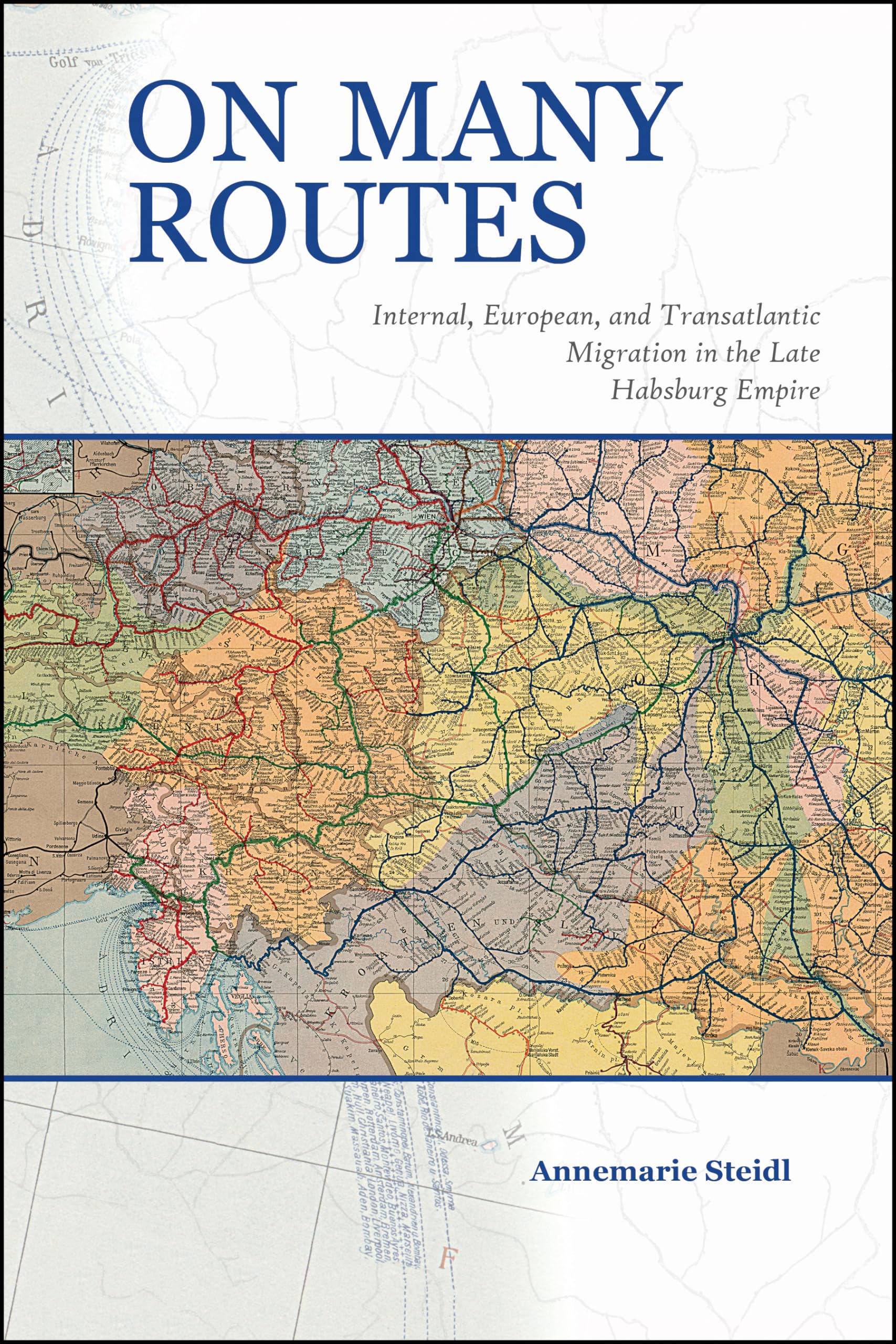
On Many Routes is about the history of human migration. With a focus on the Habsburg Empire, this innovative work presents an integrated and creative study of spatial mobilities: from short to long term, and intranational and interEuropean to transatlantic. Migration was not just relegated to city folk, but likewise was the reality for rural dwellers, and we gain a better understanding of how sending and receiving states and shipping companies worked together to regulate migration and shape populations.Bringing historical census data, governmental statistics, and ship manifests into conversation with centuriesold migration patterns of servants, agricultural workers, seasonal laborers, peddlers, and artisansboth male and femalethis research argues that Central Europeans have long been mobile, that this mobility has been driven by diverse motivations, and that post1850 transatlantic migration was an obvious extension of earlier spatial mobility patterns. Demonstrating the complexity of human mobility via an exploration of the links between overseas, continental, and internal migrations, On Many Routes shows that migrations to the United States, to the nearest coalfield, and to the urban capitals are embedded within complicated patterns of movement. There is no good reason to study internal apart from transnational moves, and combining these fields brings ample possibility to make migration research more relevant for the much broader field of social and economic history. This work poses an invaluable resource to the understudied area of Habsburg Empire migration studies, which it relocates within its wider European context and provides a major methodological contribution to the history of human migration more broadly. The ubiquity and functionality of human movement sheds light on the relationship between human nature and society, and challenges simplistic notions of human mobility then and now.
⚠️ WARNING (California Proposition 65):
This product may contain chemicals known to the State of California to cause cancer, birth defects, or other reproductive harm.
For more information, please visit www.P65Warnings.ca.gov.