
Title
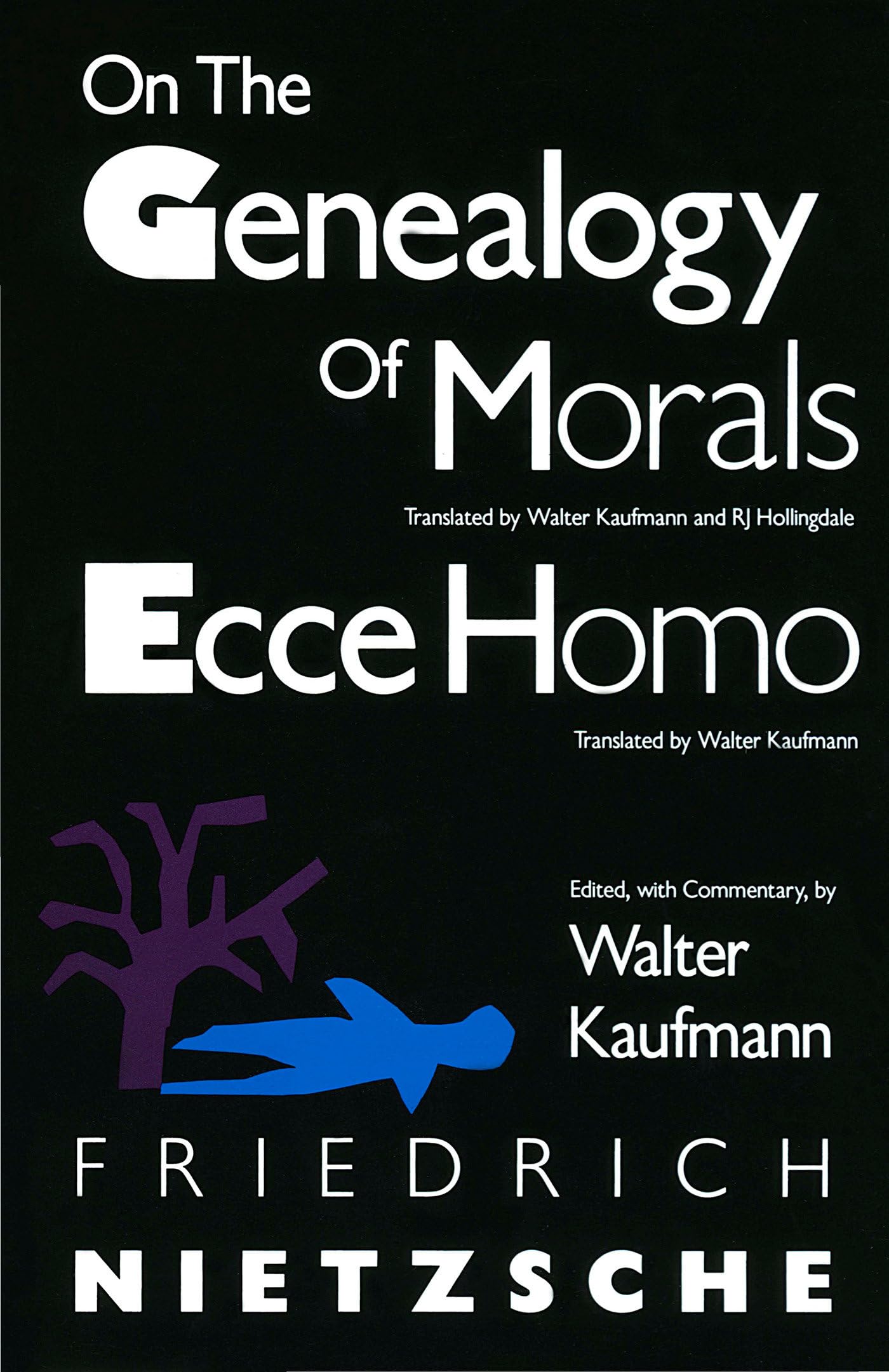
On the Genealogy of Morals and Ecce Homo,Used
Sold by Ergodebooks, an authorized reseller.
Returns accepted within 30 days | support@ergodebooks.com
Shipping Information
- Free Standard Shipping — United States only
- Processing Time: 3–5 business days
- Estimated Delivery: 6–10 business days after dispatch
- Double-boxed, fully insured & discreetly packaged
- Tracking number sent via email once dispatched
Returns & Refund
Returns accepted within 30 days of delivery.
Damaged or Defective Item
Free return shipping + replacement or full refund
Wrong Item Received
Free return shipping + replacement or full refund
Change of Mind
Return shipping at customer's expense · 25% restocking fee applies
Payment Option

Masterful translations of the great philosophers major work on ethics, along with his own remarkable review of his life and works.On the Genealogy of Morals (1887) shows Nietzsche using philsophy, psychology, and classical philology in an effort to give new direction to an ancient discipline.The work consists of three essays. The first contrasts master morality and slave morality and indicates how the term 'good' has widely different meanings in each. The second inquiry deals with guilt and the bad conscience; the third with ascetic idealsnot only in religion but also in the academy.Ecce Homo, written in 1898 and first published posthumously in 1908, is Nietzsche's review of his life and works. It contains chapters on all the books he himself published. His interpretations are as fascinating as they are invaluable. Nothing Nietzsche wrote is more stunning stylistically or as a human document.Walter Kaufmann's translations are faithful of the word and spirit of Nietzsche, and his running footnote commentaries on both books are more comprehensive than those in his other Nietzsche translations because these two works have been so widely misunderstood.
⚠️ WARNING (California Proposition 65):
This product may contain chemicals known to the State of California to cause cancer, birth defects, or other reproductive harm.
For more information, please visit www.P65Warnings.ca.gov.
- Q: How many pages does this book have? A: This book has three hundred eighty-four pages. It offers a comprehensive exploration of Nietzsche's philosophy and ethics.
- Q: What is the binding type of this book? A: The binding type of this book is paperback. This makes it lightweight and easy to handle.
- Q: What are the dimensions of this book? A: The dimensions of this book are five point nineteen inches in length, zero point eighty-eight inches in width, and seven point ninety-nine inches in height.
- Q: What age group is this book suitable for? A: This book is suitable for adults and mature readers. It covers complex philosophical themes that may not be appropriate for younger audiences.
- Q: How should I read and engage with this book? A: To fully appreciate this book, read it thoughtfully and take notes. Engaging with the text will enhance your understanding of Nietzsche's philosophy.
- Q: Is this book appropriate for beginners in philosophy? A: Yes, this book can be suitable for beginners in philosophy. However, readers should be prepared for challenging concepts.
- Q: How should I store this book to keep it in good condition? A: Store this book in a cool, dry place away from direct sunlight. This will help preserve its quality and readability.
- Q: Can this book be safely cleaned? A: Yes, you can clean this book lightly. Use a soft cloth to wipe the cover while avoiding moisture that may damage the pages.
- Q: How can I ensure the longevity of this paperback book? A: To ensure longevity, avoid bending the spine excessively and store it upright on a shelf. This helps prevent wear and tear.
- Q: What should I do if the book arrives damaged? A: If the book arrives damaged, contact the seller immediately for a replacement or refund. Most sellers have return policies in place.
- Q: Does this book come with a warranty? A: No, this book does not come with a warranty. However, return policies may be available through the retailer.
- Q: What if I have questions about the content of this book? A: If you have questions about the content, consider joining a discussion group or reading companion guides. Engaging with others can deepen your understanding.
- Q: Is this book a good gift for philosophy enthusiasts? A: Yes, this book makes an excellent gift for philosophy enthusiasts. It offers significant insights into Nietzsche's thoughts and writings.
- Q: How does this book compare to other philosophical texts? A: This book stands out for its combination of ethics and personal reflection. It is a unique exploration compared to other philosophical works.
- Q: Can this book be used in academic settings? A: Yes, this book can be used in academic settings. It is often studied in courses related to philosophy, ethics, and literature.