
Title
On The Museum'S Ruins
Sold by Ergodebooks, an authorized reseller.
Returns accepted within 30 days | support@ergodebooks.com
Shipping Information
- Free Standard Shipping — United States only
- Processing Time: 3–5 business days
- Estimated Delivery: 6–10 business days after dispatch
- Double-boxed, fully insured & discreetly packaged
- Tracking number sent via email once dispatched
Returns & Refund
Returns accepted within 30 days of delivery.
Damaged or Defective Item
Free return shipping + replacement or full refund
Wrong Item Received
Free return shipping + replacement or full refund
Change of Mind
Return shipping at customer's expense · 25% restocking fee applies
Payment Option

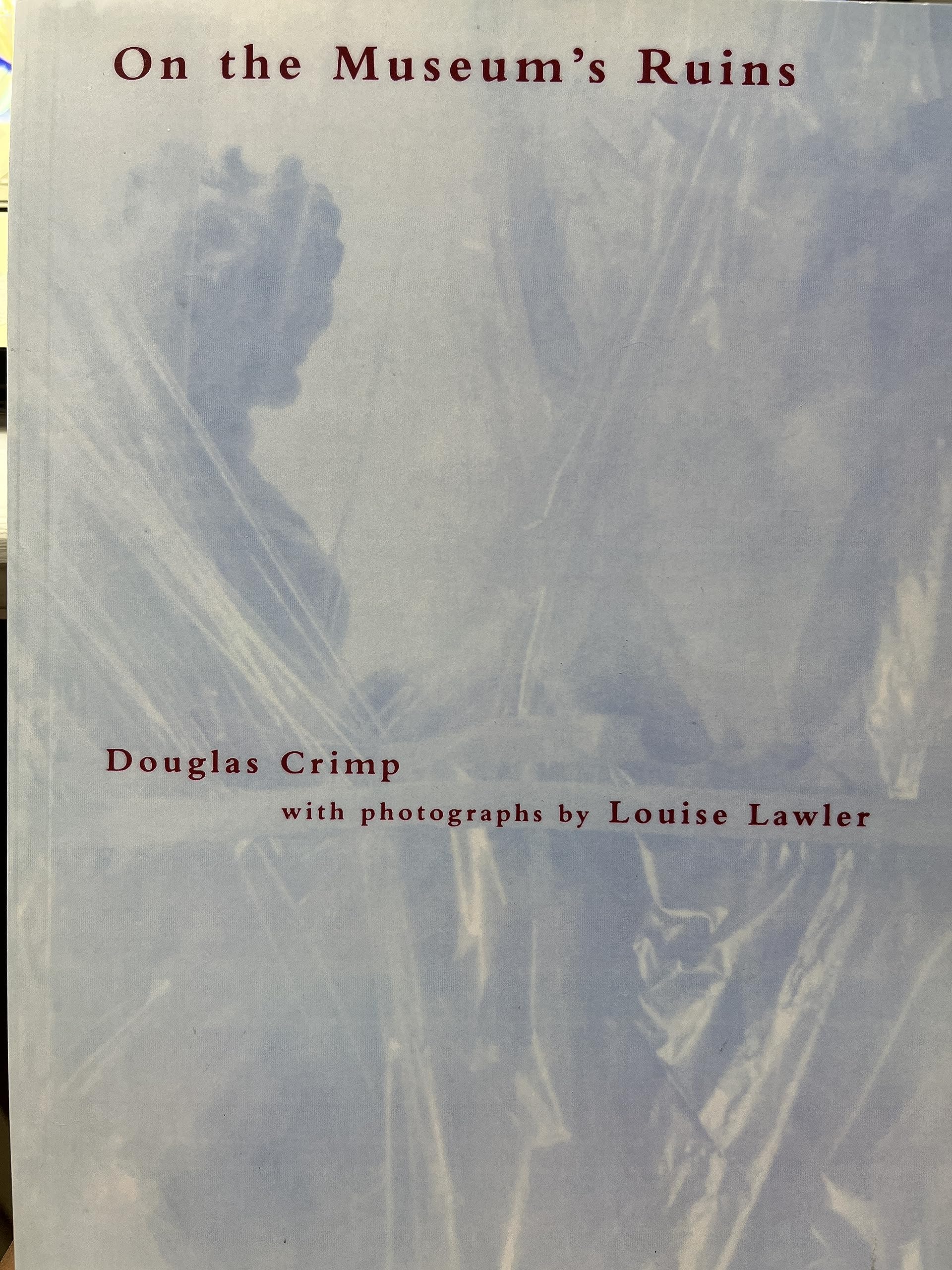
On The Museum'S Ruins Presents Douglas Crimp'S Criticism Of Contemporary Art, Its Institutions, And Its Politics Alongside Photographic Works By The Artist Louise Lawler To Create A Collaborative Project That Is Itself An Example Of Postmodern Practice At Its Most Provocative. Crimp Elaborates The New Paradigm Of Postmodernism Through Analyses Of Art Practices Broadly Conceived, Not Only The Practices Of Artistsrobert Rauschenberg, Cindy Sherman, Marcel Broodthaers, Richard Serra, Sherrie Levine, And Robert Mapplethorpebut Those Of Critics And Curators, Of International Exhibitions, And Of New Or Refurbished Museums Such As The Staatsgalerie In Stuttgart And The Martingropiusbau In Berlin.The Essays: Photographs At The End Of Modernism. On The Museum'S Ruins. The Museum'S Old, The Library'S New Subject. The End Of Painting. The Photographic Activity Of Postmodernism. Appropriating Appropriation. Redefining Site Specificity. This Is Not A Museum Of Art. The Art Of Exhibition. The Postmodern Museum.
⚠️ WARNING (California Proposition 65):
This product may contain chemicals known to the State of California to cause cancer, birth defects, or other reproductive harm.
For more information, please visit www.P65Warnings.ca.gov.
- Q: How many pages does the book contain? A: This book contains three hundred sixty-eight pages. It offers extensive insights into contemporary art and criticism.
- Q: What is the binding type of this book? A: The binding type is paperback. This makes it flexible and lightweight for easy handling.
- Q: What are the dimensions of the book? A: The dimensions of the book are seven point zero one inches in length, one inch in width, and nine point five inches in height.
- Q: Who is the author of 'On the Museum's Ruins'? A: The author is Douglas Crimp. He is known for his critical perspectives on contemporary art and its institutions.
- Q: What category does this book fall under? A: This book falls under the category of Criticism. It critiques contemporary art practices and institutions.
- Q: Is this book suitable for art students? A: Yes, this book is suitable for art students. It provides critical analyses of significant artists and art movements.
- Q: What themes are explored in this book? A: This book explores themes of postmodernism, art criticism, and institutional practices. It includes discussions on various prominent artists.
- Q: How does this book analyze contemporary art? A: This book analyzes contemporary art through critical essays and photographic works. It combines theoretical perspectives with visual art.
- Q: Can I use this book for academic research? A: Yes, you can use this book for academic research. It offers valuable insights and critiques relevant to contemporary art studies.
- Q: How should I store this book to keep it in good condition? A: Store this book in a cool, dry place away from direct sunlight. This will help preserve its condition and prevent damage.
- Q: Is this book safe for casual reading? A: Yes, this book is safe for casual reading. It is designed for a general audience interested in art criticism.
- Q: What if the book arrives damaged? A: If the book arrives damaged, you should contact customer support for a replacement. Most retailers have return policies for damaged items.
- Q: How do I clean this book if it gets dirty? A: To clean this book, gently wipe the cover with a soft, dry cloth. Avoid using water or cleaning solutions on the pages.
- Q: Is there a specific reading age for this book? A: There is no specific reading age for this book. However, it is more suited for adult readers due to its complex themes.
- Q: Could this book be compared to other art criticism works? A: Yes, this book can be compared to other art criticism works that explore postmodern practices. It offers unique insights into contemporary issues.
- Q: Are there illustrations or photographs in this book? A: Yes, there are photographic works by Louise Lawler included in this book. These visuals complement the written critiques effectively.