
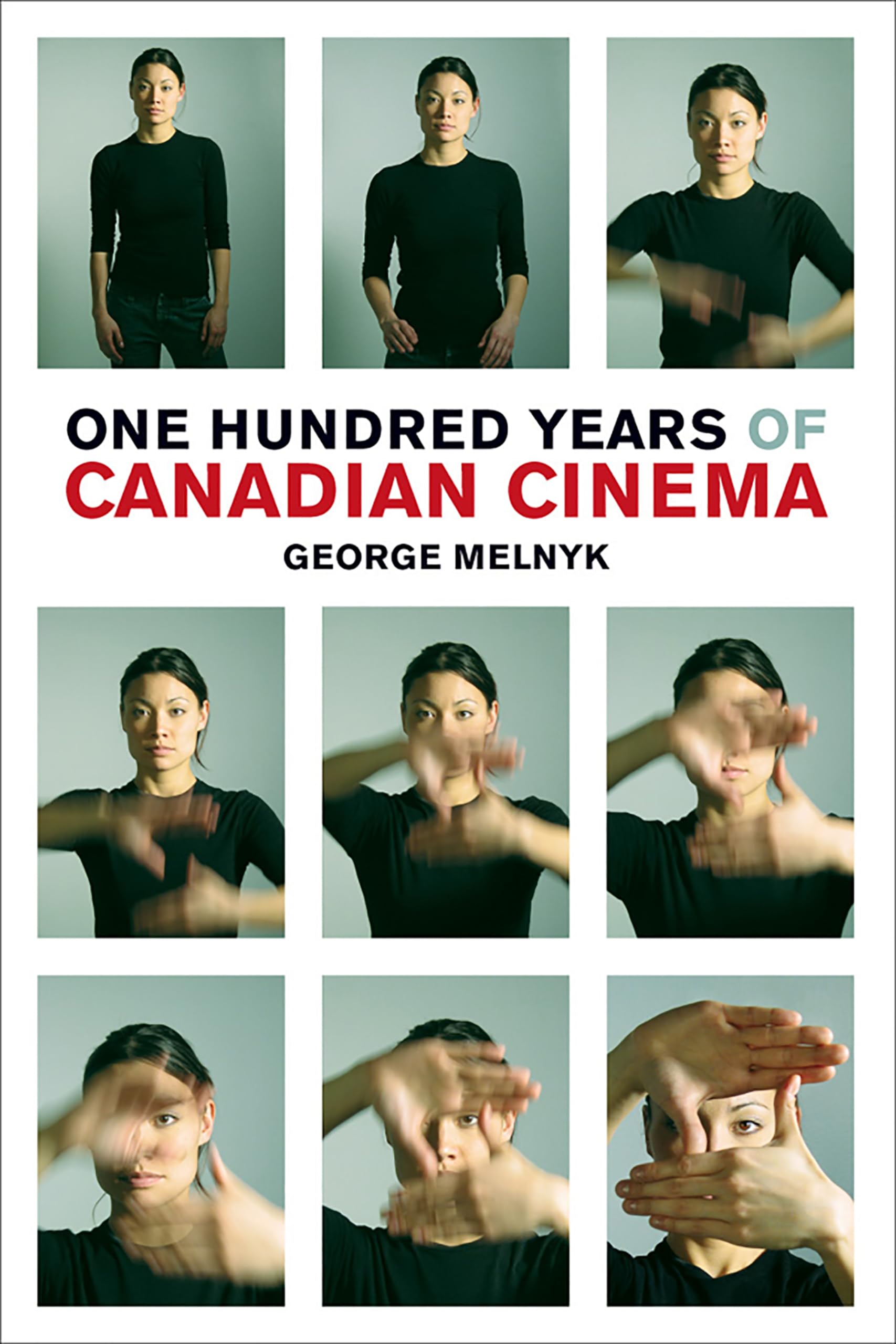
Title
One Hundred Years Of Canadian Cinema
Sold by Ergodebooks, an authorized reseller.
Returns accepted within 30 days | support@ergodebooks.com
Shipping Information
- Free Standard Shipping — United States only
- Processing Time: 3–5 business days
- Estimated Delivery: 6–10 business days after dispatch
- Double-boxed, fully insured & discreetly packaged
- Tracking number sent via email once dispatched
Returns & Refund
Returns accepted within 30 days of delivery.
Damaged or Defective Item
Free return shipping + replacement or full refund
Wrong Item Received
Free return shipping + replacement or full refund
Change of Mind
Return shipping at customer's expense · 25% restocking fee applies
Payment Option

With Its Beginnings Rooted In The Languages And Cultures Of The French And English, Canadian Cinema Has, Over Time, Become More Representative, Reflecting The Interests And Aspirations Of Canada'S Many Diverse Communities And Identities. In One Hundred Years Of Canadian Cinema, George Melnyk Offers A Twentyfirstcentury Perspective On A Fascinating Film Tradition, The Distinctness Of Which Has Attracted The Attention Of The Global Cinematic Community.Melnyk'S Historical Survey Is Comprehensive In Its Cinematic Scope. He Examines The Achievement Of Dramatic, Documentary, And Experimental Filmmaking From The Earliest Days Until The Present, Giving Due Attention To The Cinemas Of Quebec And To The Cultural, Political, And Theoretical Trends That Have Shaped Contemporary Film In Canada. Following An Interpretive Approach, Melnyk Explores The Beginnings Of A National Cinema In The Silent Era At The End Of The Nineteenth Century; The Dynamics Of The Industry In The 1920S, Which Provide A Model For The Industry'S Overall Development; The Rise Of The Nfb; The Birth Of A Successful Featurefilm Industry In Quebec In The Forties; The Taxshelter Era Of The Seventies; Canada'S Achievements In Animation; And The Important Contributions Of Key Feature Films And Their Directors In Articulating Insights Into The Cultural Grammars Found In Canadian Society Throughout The Past Century.Drawing On The Insights Of Scholars, Critics, And Filmmakers To Provide A Coherent Appraisal Of The State Of The Film Industry And Canada'S Cinematic Art As It Enters Its Second Century, Melnyk Weaves The History Of English And French Canada Together In An Attempt To Understand The Achievements And, Ultimately, The Failures Of A 'National Cinema'. From Neighbours To Crash, Pour La Suite Du Monde To Atanarjuat, And Goin' Down The Road To Maelstrm, Melnyk Argues Passionately That Canadian Cinema Has Never Been A Singular Entity, But Has Continued To Speak In The Languages And In The Voices Of Canada'S Diverse Population. It Is Only Through An Ongoing And Deepening Exploration Of Diversity In Canadian Film That Its Survival And Evolution Can Be Ensured.
⚠️ WARNING (California Proposition 65):
This product may contain chemicals known to the State of California to cause cancer, birth defects, or other reproductive harm.
For more information, please visit www.P65Warnings.ca.gov.
- Q: How many pages does the book have? A: This book has three hundred pages. It provides a comprehensive exploration of Canadian cinema over the past century.
- Q: What is the binding type of this book? A: This book is paperback bound. This makes it lightweight and easy to carry, perfect for readers on the go.
- Q: What are the dimensions of the book? A: The book measures six point zero two inches in length, zero point seven five inches in width, and eight point nine eight inches in height. These dimensions make it a manageable size for reading.
- Q: How do I read this book effectively? A: To read this book effectively, find a quiet space and take notes on key themes. The author provides historical context that enhances comprehension.
- Q: Is this book suitable for academic use? A: Yes, this book is suitable for academic use. It offers a detailed analysis of Canadian cinema, making it a valuable resource for students and scholars.
- Q: What age group is this book intended for? A: This book is intended for adults and young adults. It explores complex themes and historical contexts relevant to cinema studies.
- Q: How should I store this book? A: Store this book in a cool, dry place, away from direct sunlight. This will help preserve its condition and prevent fading of the cover and pages.
- Q: Can I clean the book if it gets dirty? A: Yes, you can clean the book if it gets dirty. Use a soft, dry cloth to gently wipe the cover and avoid using water or cleaners.
- Q: What should I do if the book arrives damaged? A: If the book arrives damaged, contact the seller for a return or replacement. Most sellers have policies in place to handle such issues.
- Q: Is there a warranty or return policy for this book? A: Return policies may vary by seller, but generally, there is a return policy for this book. Check the seller’s website for specific details.
- Q: How does this book compare to other Canadian cinema books? A: This book offers a unique historical perspective compared to others. It encompasses a wide range of genres and eras in Canadian cinema.
- Q: Is this book suitable for beginners in film studies? A: Yes, this book is suitable for beginners in film studies. It provides foundational knowledge about Canadian cinema's evolution and key films.
- Q: What kind of themes are explored in this book? A: The book explores themes of diversity, identity, and the evolution of Canadian cinema. It reflects the interests of various communities throughout history.
- Q: Are there any notable filmmakers discussed in the book? A: Yes, the book discusses several notable filmmakers. Key figures like Guy Maddin and Atom Egoyan are highlighted for their contributions to Canadian cinema.
- Q: What is the main focus of the book? A: The main focus of the book is the historical development of Canadian cinema. It examines significant trends, films, and cultural impacts over the last century.