
Title
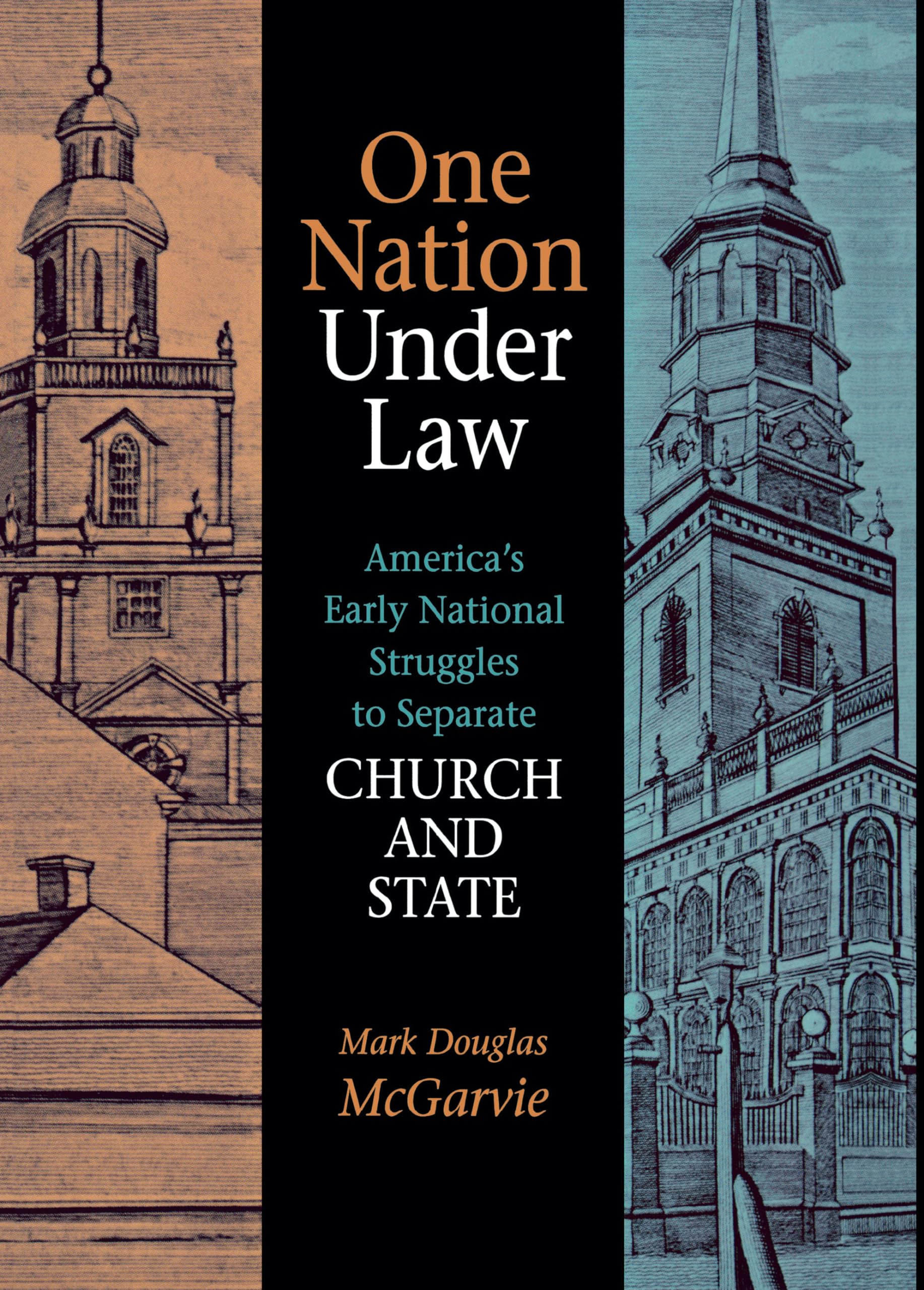
One Nation under Law: America's Early National Struggles to Separate Church and State,Used
Sold by Ergodebooks, an authorized reseller.
Returns accepted within 30 days | support@ergodebooks.com
Shipping Information
- Free Standard Shipping — United States only
- Processing Time: 3–5 business days
- Estimated Delivery: 6–10 business days after dispatch
- Double-boxed, fully insured & discreetly packaged
- Tracking number sent via email once dispatched
Returns & Refund
Returns accepted within 30 days of delivery.
Damaged or Defective Item
Free return shipping + replacement or full refund
Wrong Item Received
Free return shipping + replacement or full refund
Change of Mind
Return shipping at customer's expense · 25% restocking fee applies
Payment Option

The United States' commitment to separation of church and state has defined the nation, from the structure of the schools and the welfare system to the nature of American politics and society. Many citizens mistakenly point to the First Amendment, which guarantees the freedom of religious practice, as the origin of this separation. Indeed, the Bill of Rights represents a crucial step toward the division of religious institutions from the affairs of the government. Yet, from the days of the early republic, the separation of church and state came about slowly, amid contentious legal, intellectual, and religious debates.In this timely study, Mark McGarvie documents America's transition from Christian communitarianism with its governmentsponsored religious institutions to liberal republicanism with its insistence that church and government not interfere with one another. Surprisingly, for a halfcentury after the ratification of the Constitution, many early state governments continued to support religious organizations. Disestablishment nonetheless proceeded, gaining ever greater momentum as churches lost tax support and found that they could not enforce mandatory attendance laws. No longer public institutions with strong state backing, churches were reconstructed as private, voluntary associations. At the same time, the state took responsibility for poor relief, community record keeping, and a variety of other public services formerly left to the churches.Providing a closeup view of disestablishment as both a legal and an ideological process, McGarvie focuses on the efforts of three key statesNew York, South Carolina, and New Hampshireto disentangle church and state during the early national period. These case studies are particularly enlightening because a single state's disestablishment crisis helped change the law for the entire nation when New Hampshire's attempt to convert Dartmouth College into a secular state institution ended in a suit that eventually reached the Supreme Court. One Nation under Law is an important contribution to an ongoing, distinctly American debate.
⚠️ WARNING (California Proposition 65):
This product may contain chemicals known to the State of California to cause cancer, birth defects, or other reproductive harm.
For more information, please visit www.P65Warnings.ca.gov.