If you have any questions, you are always welcome to contact us. We'll get back to you as soon as possible, withing 24 hours on weekdays.
Customer service
All questions about your order, return and delivery must be sent to our customer service team by e-mail at yourstore@yourdomain.com
Sale & Press
If you are interested in selling our products, need more information about our brand or wish to make a collaboration, please contact us at press@yourdomain.com
Help
If you have any questions, you are always welcome to contact us. We'll get back to you as soon as possible, withing 24 hours on weekdays.
Customer service
All questions about your order, return and delivery must be sent to our customer service team by e-mail at yourstore@yourdomain.com
Sale & Press
If you are interested in selling our products, need more information about our brand or wish to make a collaboration, please contact us at press@yourdomain.com
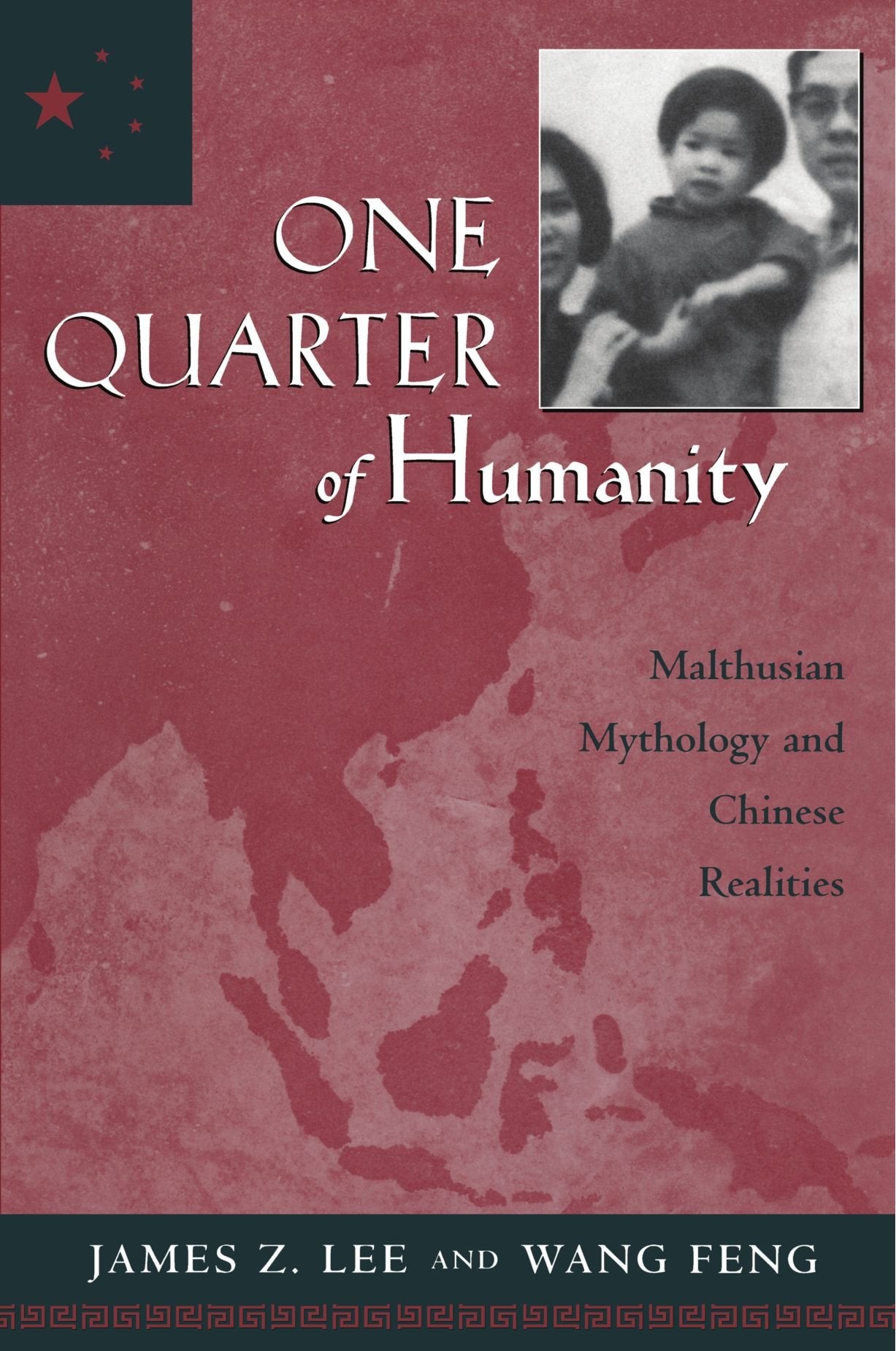
This book presents evidence about historical and contemporary Chinese population behavior that overturns much of the received wisdom about the differences between China and the West first voiced by Malthus. Malthus described a China in which early and universal marriage ensured high fertility and therefore high mortality. He contrasted this with Western Europe, where marriage occurred late and was far from universal, resulting in lower fertility and higher demographic responsiveness to economic circumstances. The result in China was thought to be mass misery as part of the population teetered on the brink of a Malthusian precipice, whereas in the West conditions were less severe.In reality, James Lee and Wang Feng argue, there has been effective regulation of population growth in China through a variety of practices that depressed marital fertility to levels far below European standards, and through the widespread practices of infanticide and abortion. Moreover, in China, population behavior has long been primarily a consequence of collective intervention. This collective culture underlies four distinctive features of the Chinese demographic patternhigh rates of female infanticide, low rates of male marriage, low rates of marital fertility, and high rates of adoptionthat Lee and Wang trace from 1700 to today. These and other distinctive features of the Chinese demographic and social system, they argue, led to a different demographic transition in China from the one that took place in the West.
⚠️ WARNING (California Proposition 65):
This product may contain chemicals known to the State of California to cause cancer,
birth defects, or other reproductive harm.
For MAP (Minimum Advertised Price) violations and Intellectual Property (IP) or Trademark concerns, please contact:
support@ergodebooks.com
⚠️ California Proposition 65 Warning: Some products sold on this website may expose you to chemicals known to the State of California to cause cancer, birth defects, or other reproductive harm. For more information, visit www.P65Warnings.ca.gov.