
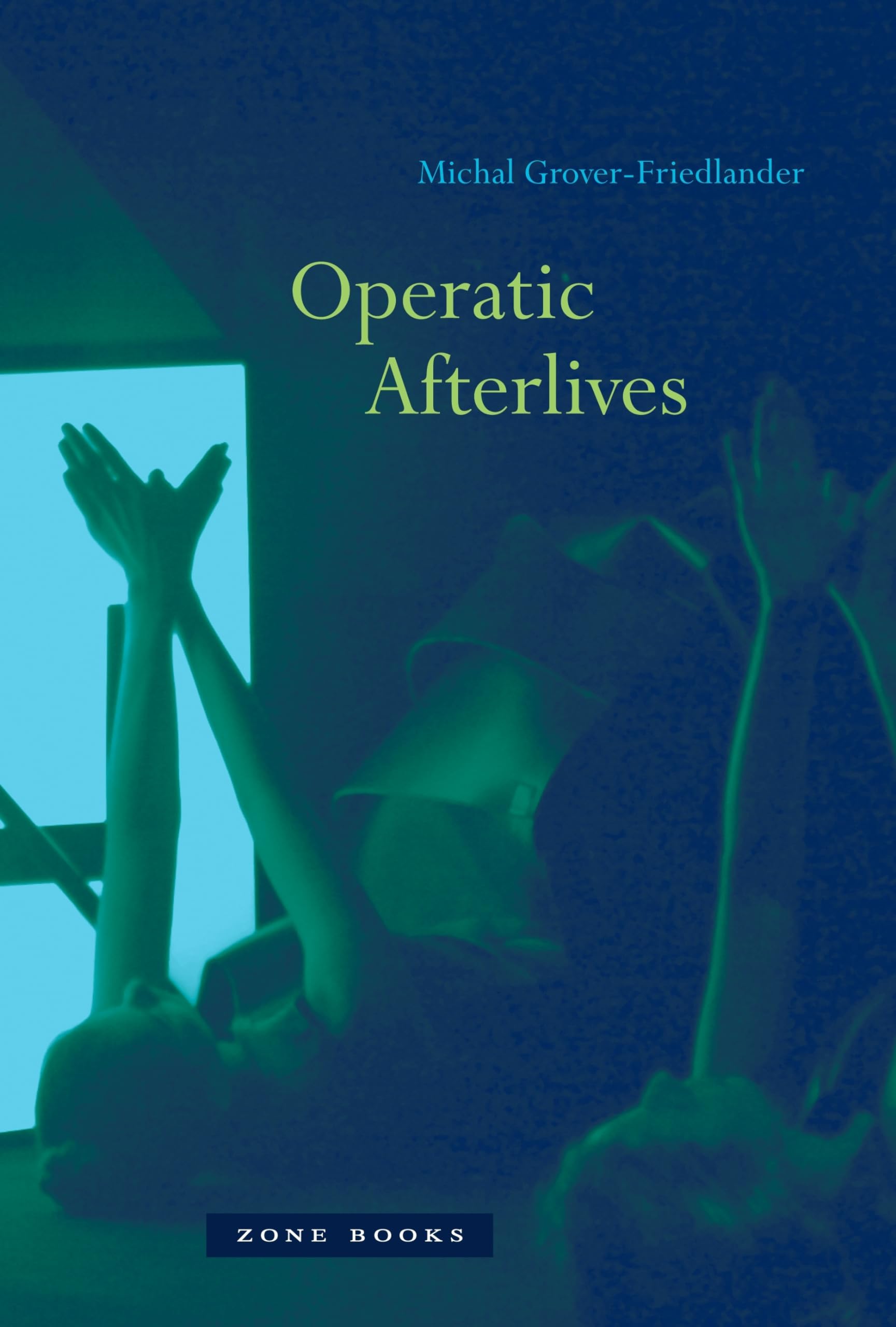
Title
Operatic Afterlives (Mit Press),Used
Sold by Ergodebooks, an authorized reseller.
Returns accepted within 30 days | support@ergodebooks.com
Shipping Information
- Free Standard Shipping — United States only
- Processing Time: 3–5 business days
- Estimated Delivery: 6–10 business days after dispatch
- Double-boxed, fully insured & discreetly packaged
- Tracking number sent via email once dispatched
Returns & Refund
Returns accepted within 30 days of delivery.
Damaged or Defective Item
Free return shipping + replacement or full refund
Wrong Item Received
Free return shipping + replacement or full refund
Change of Mind
Return shipping at customer's expense · 25% restocking fee applies
Payment Option

In Operatic Afterlives, Michal GroverFriedlander examines the implications of operas founding myth the story of Orpheus and Eurydice: Orpheuss attempt to revive the dead Eurydice with the power of singing. Traditionally, opera kills its protagonists that best embody its ideal of the singing voice, but GroverFriedlander argues that opera at times also represents the ways that the voice, singing, or song acquire their own forms of aliveness and indestructibility. Operatic Afterlives shows the ultimate power that opera grants to singing: the reversal of death.GroverFriedlander examines instances in which opera portrays an existence beyond death, a revival of the dead, or a simultaneous presence of life and death. These portrayals from Puccinis Gianni Schicchi to Roccas Il dibuk, from Seters Tikkun Hatsot to Chings Buosos Ghost, from Zeffirellis Callas Forever to Disneys The Whale Who Wanted to Sing at the Met are made possible, she argues, by the unique treatment of voice in the works in question: the occurrence of a breach in which singing itself takes on an afterlife in the face of the characters death. This may arise from the multiplication of singing voices inhabiting the same body, from disembodied singing, from the merging of singing voices, from the disconnection of voice and character.The instances developed in the book take on added significance as they describe a reconfiguration of operatic singing itself. Singing reigns over text, musical language, and dramatic characterization. The notion of the afterlife of singing reveals the singularity of the voice in opera, and how much it differs categorically from any other elaboration of the voice. GroverFriedlanders examples reflect on the meanings of the operatic voice as well as on our sense of its resonating, unending, and haunting presence.
⚠️ WARNING (California Proposition 65):
This product may contain chemicals known to the State of California to cause cancer, birth defects, or other reproductive harm.
For more information, please visit www.P65Warnings.ca.gov.