
Title
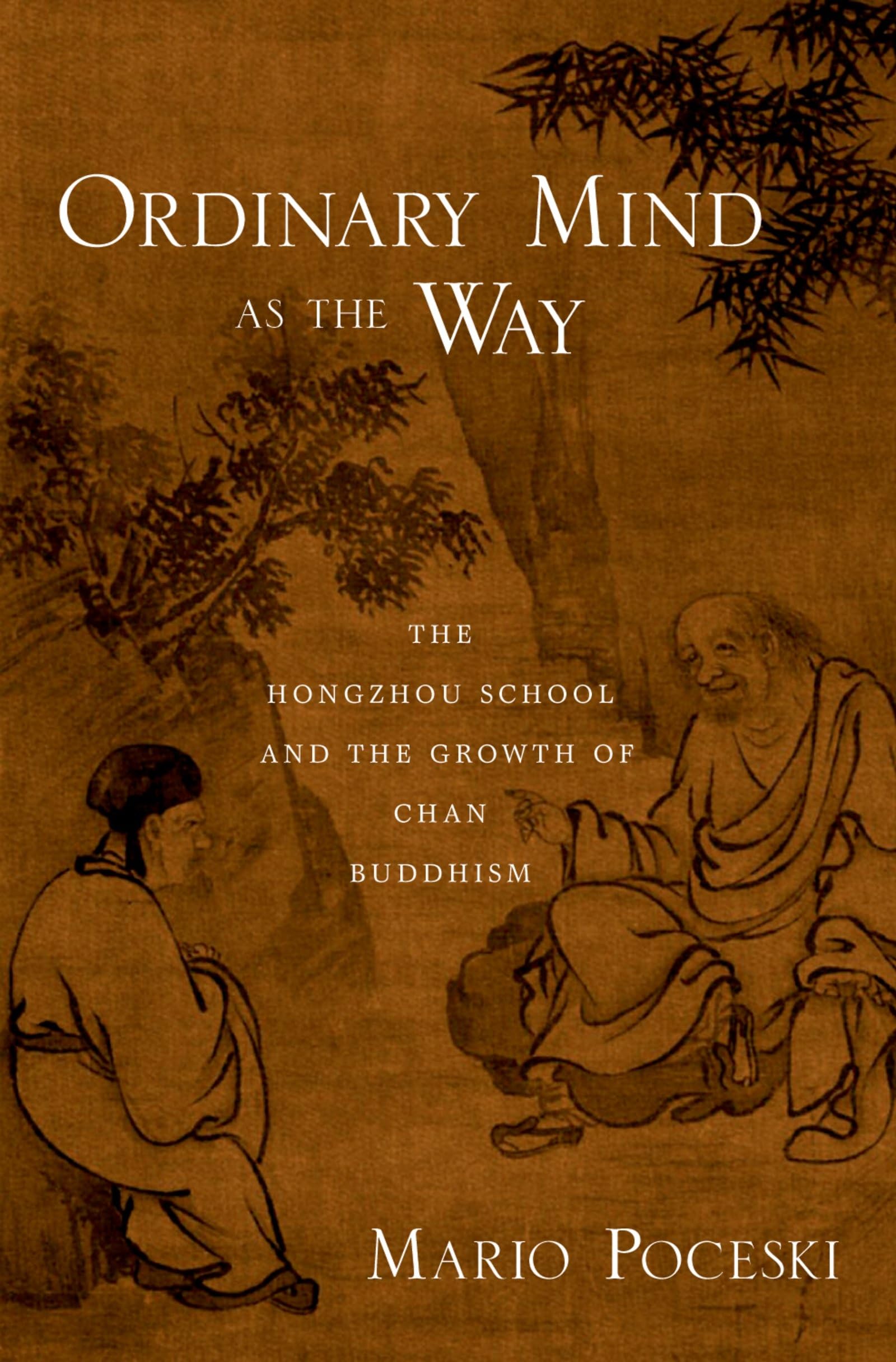
Ordinary Mind as the Way: The Hongzhou School and the Growth of Chan Buddhism,Used
Sold by Ergodebooks, an authorized reseller.
Returns accepted within 30 days | support@ergodebooks.com
Shipping Information
- Free Standard Shipping — United States only
- Processing Time: 3–5 business days
- Estimated Delivery: 6–10 business days after dispatch
- Double-boxed, fully insured & discreetly packaged
- Tracking number sent via email once dispatched
Returns & Refund
Returns accepted within 30 days of delivery.
Damaged or Defective Item
Free return shipping + replacement or full refund
Wrong Item Received
Free return shipping + replacement or full refund
Change of Mind
Return shipping at customer's expense · 25% restocking fee applies
Payment Option

Under the leadership of Mazu Daoyi (709788) and his numerous disciples, the Hongzhou School emerged as the dominant tradition of Chan (Zen) Buddhism in China during the middle part of the Tang dynasty(618907). Mario Poceski offers a systematic examination of the Hongzhou School's momentous growth and rise to preeminence as the bearer of Chan orthodoxy, and analyzes its doctrines against the backdrop of the intellectual and religious milieus of Tang China. Poceski demonstrates that the Hongzhou School represented the first emergence of an empirewide Chan tradition that had strongholds throughout China and replaced the various fragmented Schools of early Chan with an inclusive orthodoxy.Poceski's study is based on the earliest strata of permanent sources, rather than on the later apocryphal "encounter dialogue" stories regularly used to construe widelyaccepted but historically unwarranted interpretations about the nature of Chan in the Tang dynasty. He challenges the traditional and popularlyaccepted view of the Hongzhou School as a revolutionary movement that rejected mainstream mores and teachings, charting a new path for Chan's independent growth as a unique Buddhist tradition. This view, he argues, rests on a misreading of key elements of the Hongzhou School's history. Rather than acting as an unorthodox movement, the Hongzhou School's success was actually based largely on its ability to mediate tensions between traditionalist and iconoclastic tendencies. Going beyond conventional romanticized interpretations that highlight the radical character of the Hongzhou School, Poceski shows that there was much greater continuity between early and classical Chanand between the Hongzhou School and the rest of Tang Buddhismthan previously thought.
⚠️ WARNING (California Proposition 65):
This product may contain chemicals known to the State of California to cause cancer, birth defects, or other reproductive harm.
For more information, please visit www.P65Warnings.ca.gov.