
Title
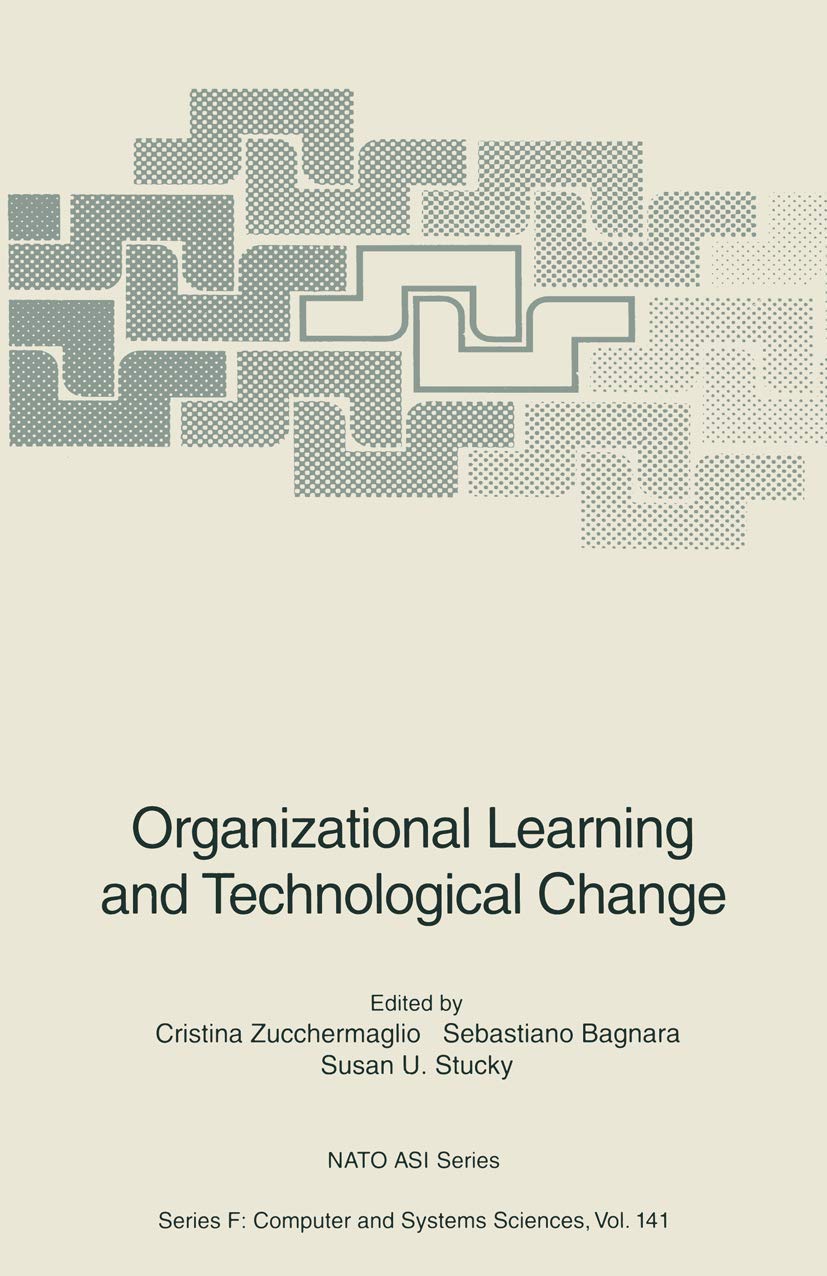
Organizational Learning and Technological Change (NATO ASI Subseries F:, 141),Used
Sold by Ergodebooks, an authorized reseller.
Returns accepted within 30 days | support@ergodebooks.com
Shipping Information
- Free Standard Shipping — United States only
- Processing Time: 3–5 business days
- Estimated Delivery: 6–10 business days after dispatch
- Double-boxed, fully insured & discreetly packaged
- Tracking number sent via email once dispatched
Returns & Refund
Returns accepted within 30 days of delivery.
Damaged or Defective Item
Free return shipping + replacement or full refund
Wrong Item Received
Free return shipping + replacement or full refund
Change of Mind
Return shipping at customer's expense · 25% restocking fee applies
Payment Option

What the Book Is About This book is about the problem of organizational learning, that is the analysis of organizations conceived as learning systems. In order to survive in a period of a rapid change, organizations must innovate and than to develop and exploit their abilities to learn. The most innovative organizations are those that can respond with great efficiency to internal and external changes. They respond to and generate technological change by acting as effective learning systems. They maximize the learning potential of ongoing and 'normal' work activities. The organizational structure and the technology allow members to learn while the organizations itself learns from its members. So organizations reach high levels of innovation when structured to take advantage of the social, distributed, participative, situated processes of learning developed by its members in interaction with the technological environment. Organizations should consider learning as an explicit 'productive' objective. They must create integrated learning mechanisms, that encompass technological tools, reward and incentive systems, human resource practices, belief systems, access to information, communication and mobility patterns, performance appraisal systems, organizational practices and structures. The design of efficient learning organizations requires cognitive, technological and social analyses. All the computerbased technologies (e. g. office automation, communication and group decision support) not only those devoted to and used in training activities, have to be considered as tools for organizational learning and innovation.
⚠️ WARNING (California Proposition 65):
This product may contain chemicals known to the State of California to cause cancer, birth defects, or other reproductive harm.
For more information, please visit www.P65Warnings.ca.gov.