If you have any questions, you are always welcome to contact us. We'll get back to you as soon as possible, withing 24 hours on weekdays.
Customer service
All questions about your order, return and delivery must be sent to our customer service team by e-mail at yourstore@yourdomain.com
Sale & Press
If you are interested in selling our products, need more information about our brand or wish to make a collaboration, please contact us at press@yourdomain.com
Help
If you have any questions, you are always welcome to contact us. We'll get back to you as soon as possible, withing 24 hours on weekdays.
Customer service
All questions about your order, return and delivery must be sent to our customer service team by e-mail at yourstore@yourdomain.com
Sale & Press
If you are interested in selling our products, need more information about our brand or wish to make a collaboration, please contact us at press@yourdomain.com
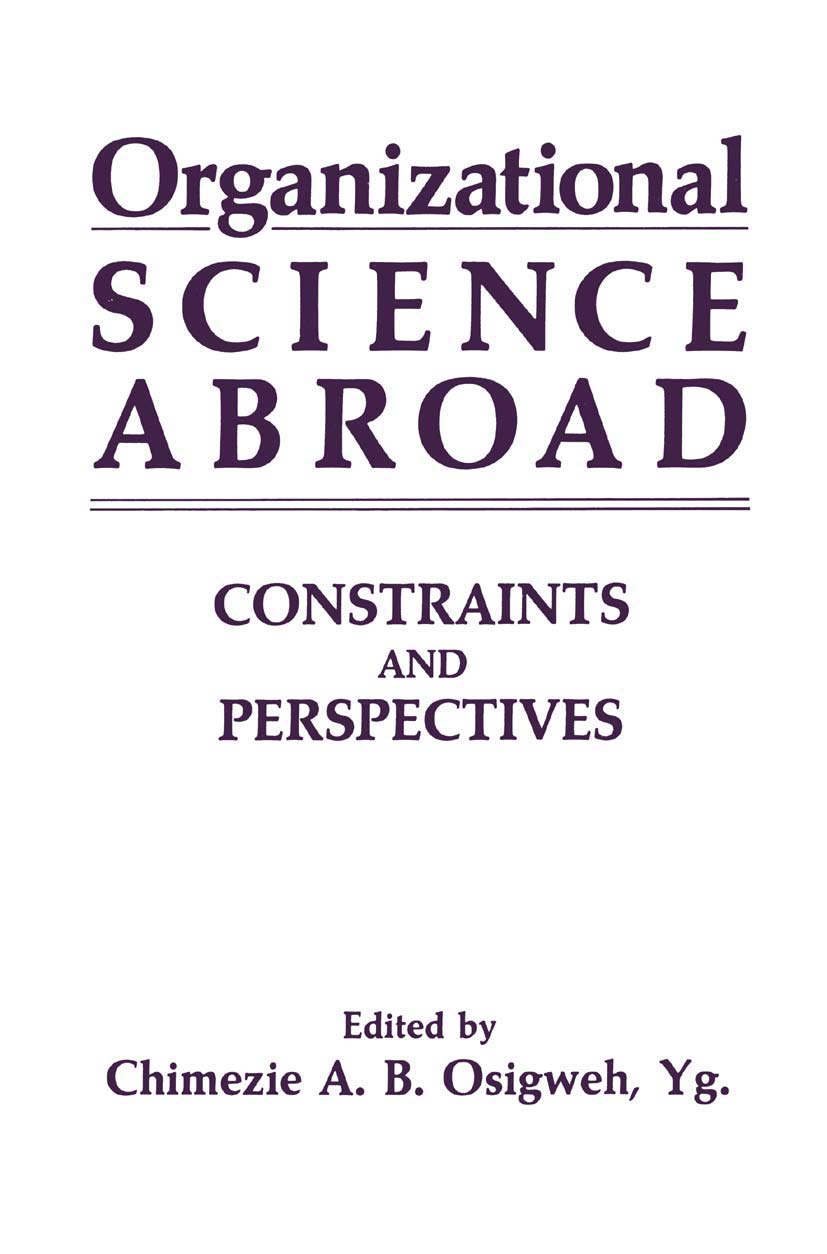
Organizing consists of making other people work. We do this by manip ulating symbols: words, exhortations, memos, charts, signs of status. We expect these symbols to have the desired effects on the people con cerned. The success of our organizing activities depends on whether the others do attach to our symbols the meanings we expect them to. Whether or not they do so is a function of what I have sometimes called 'the programs in their minds' their learned ways of thinking, feeling, and reactingin short, a function of their culture. The assumption that organizations could be culturefree is naive and myopic; it is based on a misunderstanding of the very act of organizing. Certainly, few people who have ever worked abroad will make this assumption. The dependence of organizations on their people's mental pro grams does not mean, of course, that we do not find many similarities across organizations. Some characteristics of human mental program ming are universal; others are shared by most people in a continent, a country, a region, an industry, a scientific discipline, or even a gender.
⚠️ WARNING (California Proposition 65):
This product may contain chemicals known to the State of California to cause cancer,
birth defects, or other reproductive harm.
For MAP (Minimum Advertised Price) violations and Intellectual Property (IP) or Trademark concerns, please contact:
support@ergodebooks.com
⚠️ California Proposition 65 Warning: Some products sold on this website may expose you to chemicals known to the State of California to cause cancer, birth defects, or other reproductive harm. For more information, visit www.P65Warnings.ca.gov.