If you have any questions, you are always welcome to contact us. We'll get back to you as soon as possible, withing 24 hours on weekdays.
Customer service
All questions about your order, return and delivery must be sent to our customer service team by e-mail at yourstore@yourdomain.com
Sale & Press
If you are interested in selling our products, need more information about our brand or wish to make a collaboration, please contact us at press@yourdomain.com
Help
If you have any questions, you are always welcome to contact us. We'll get back to you as soon as possible, withing 24 hours on weekdays.
Customer service
All questions about your order, return and delivery must be sent to our customer service team by e-mail at yourstore@yourdomain.com
Sale & Press
If you are interested in selling our products, need more information about our brand or wish to make a collaboration, please contact us at press@yourdomain.com
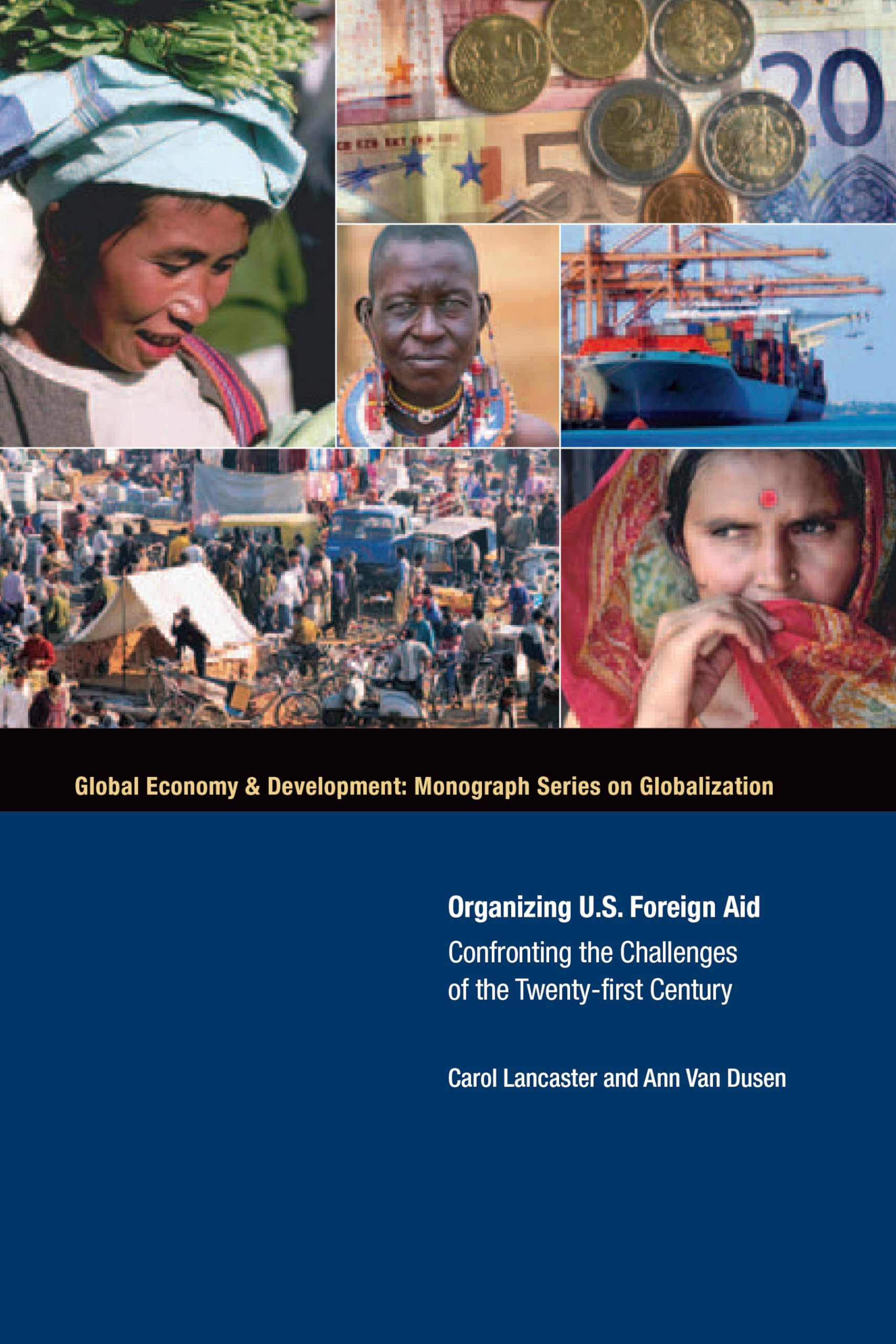
Overwhelmed by a proliferation of foreign aid programs, the U.S. government is attempting to reorganize itself in order to manage them more effectively. This raises several critical issues that will shape U.S. foreign aid policy for the 21st century: Should existing foreign aid agencies be combined into a cabinetlevel agency, ensuring a voice for development concerns during policy discussions, or should they be placed in the State Department to strengthen their foreign policy focus? How should aid agencies manage the planning, implementation, and evaluation of their aid? Is ''managing for results'' as currently practiced appropriate for what is often a highly experimental task of bringing about beneficial changes in foreign countries? How should the U.S. government educate its citizens on the issues of foreign aid and development as expenditures rise and as the ambitious goals driving aidincluding nation buildingexpand? In Organ izing Foreign Aid, Carol Lancaster and Ann Van Dusen call for a fundamental reorganization of U.S. aid programs. They recommend a major increase in efforts at development education. The authors also provide insights into how other donor governments have dealt with these challenges. With the future of U.S. foreign aid policy at stake, this book will be essential reading for anyone interested in development, foreign aid, and the organization of government programs in these areas.'
⚠️ WARNING (California Proposition 65):
This product may contain chemicals known to the State of California to cause cancer,
birth defects, or other reproductive harm.
For MAP (Minimum Advertised Price) violations and Intellectual Property (IP) or Trademark concerns, please contact:
support@ergodebooks.com
⚠️ California Proposition 65 Warning: Some products sold on this website may expose you to chemicals known to the State of California to cause cancer, birth defects, or other reproductive harm. For more information, visit www.P65Warnings.ca.gov.