
Title
Orientalism'S Interlocutors: Painting, Architecture, Photography (Objects/Histories),Used
Sold by Ergodebooks, an authorized reseller.
Returns accepted within 30 days | support@ergodebooks.com
Shipping Information
- Free Standard Shipping — United States only
- Processing Time: 3–5 business days
- Estimated Delivery: 6–10 business days after dispatch
- Double-boxed, fully insured & discreetly packaged
- Tracking number sent via email once dispatched
Returns & Refund
Returns accepted within 30 days of delivery.
Damaged or Defective Item
Free return shipping + replacement or full refund
Wrong Item Received
Free return shipping + replacement or full refund
Change of Mind
Return shipping at customer's expense · 25% restocking fee applies
Payment Option

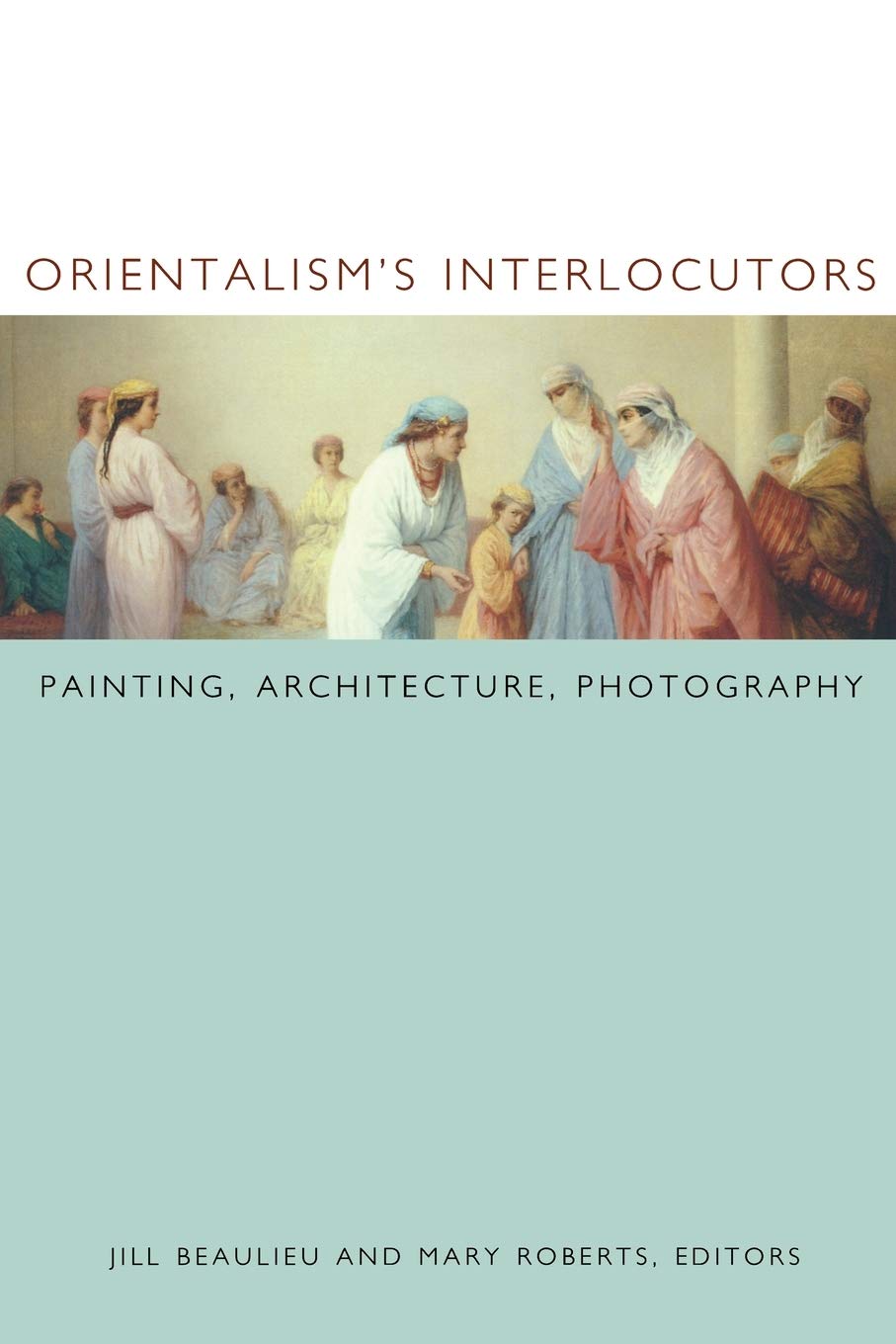
Until now, Orientalist artexemplified by paintings of harems, slave markets, or bazaarshas predominantly been understood to reflect Western interpretations and to perpetuate reductive, often demeaning stereotypes of the exotic East. Orientalism's Interlocutors contests the idea that Orientalist art simply expresses the politics of Western domination and argues instead that it was often produced through crosscultural interactions. Focusing on paintings and other representations of North African and Ottoman cultures, by both local artists and westerners, the contributors contend that the stylistic similarities between indigenous and Western Orientalist art mask profound interpretive differences, which, on examination, can reveal a visual language of resistance to colonization. The essays also demonstrate how marginalized voices and viewpointsespecially women'swithin Western Orientalism decentered and destabilized colonial authority.Looking at the political significance of crosscultural encounters refracted through the visual languages of Orientalism, the contributors engage with pressing recent debates about indigenous agency, postcolonial identity, and gendered subjectivities. The very range of artists, styles, and forms discussed in this collection broadens contemporary understandings of Orientalist art. Among the artists considered are the Algerian painters Azouaou Mammeri and Mohammed Racim; Turkish painter Osman Hamdi; British landscape painter Barbara Bodichon; and the French painter Henri Regnault. From the liminal 'Third Space' created by mosques in postcolonial Britain to the ways nineteenthcentury harem women negotiated their portraits by British artists, the essays in this collection force a rethinking of the Orientalist canon.This innovative volume will appeal to those interested in art history, theories of gender, and postcolonial studies.Contributors. Jill Beaulieu, Roger Benjamin, Zeynep elik, Deborah Cherry, Hollis Clayson, Mark Crinson, Mary Roberts
⚠️ WARNING (California Proposition 65):
This product may contain chemicals known to the State of California to cause cancer, birth defects, or other reproductive harm.
For more information, please visit www.P65Warnings.ca.gov.