
Title
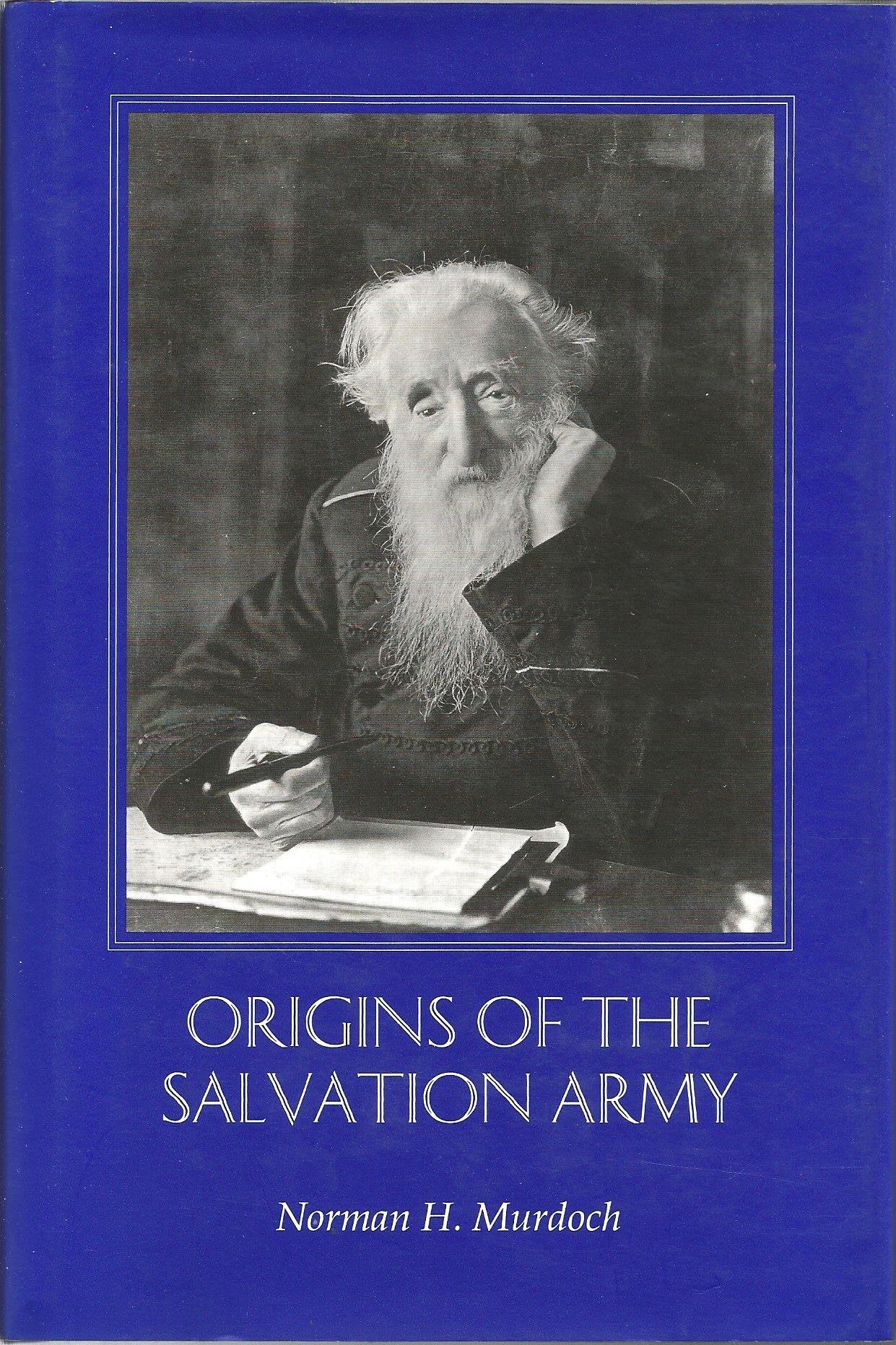
Origins of the Salvation Army,Used
Sold by Ergodebooks, an authorized reseller.
Returns accepted within 30 days | support@ergodebooks.com
Shipping Information
- Free Standard Shipping — United States only
- Processing Time: 3–5 business days
- Estimated Delivery: 6–10 business days after dispatch
- Double-boxed, fully insured & discreetly packaged
- Tracking number sent via email once dispatched
Returns & Refund
Returns accepted within 30 days of delivery.
Damaged or Defective Item
Free return shipping + replacement or full refund
Wrong Item Received
Free return shipping + replacement or full refund
Change of Mind
Return shipping at customer's expense · 25% restocking fee applies
Payment Option

The Salvation Army is today one of the world's best known and best regarded religious and charitable movements. In this deeply researched study, Norman Murdoch offers some surprising new insights into the denomination's origins and its growth into an international organization. In particular, he identifies quick accommodation to failure as a persistent theme in the Army's early history.Murdoch follows the lives and work of the Army's founders, William and Catherine Booth, from their beginnings as Wesleyan evangelists in the 1850s to their inauguration of a Utopian social plan in 1890. As teenagers in England's midlands in the 1840s, the Booths were especially influenced by an Americanstyle evangelism that had crossed the Atlantic. Catherine eventually became an advocate of female ministry (and her preaching outshone her husband's) while William went on to found the Christian Mission in the slums of east London.When the East End mission faltered in the mid1870s, Booth took his preaching to the provincial towns. The failure of that ministry led him in 1878 to reorganize his efforts along thenpopular military lines, and the Salvation Army was born. With women as its "shock troops," this Christian imperium spread beyond Britain's boundaries to become as international in scope as Victoria's empire. As the Army's expansionism began to collapse, however, the Booths added wholesale social salvation to their emphasis on the salvation of individual souls. The 1890 work, Darkest England and the Way Out, was their blueprint for ending unemployment and moving slum dwellers back to the land.Challenging various notions popularized in the denomination's official histories, this book will be of special interest to historians of nineteenthcentury social reform, scholars of evangelical Protestantism, and those interested in the relationship between class and religion in the AngloAmerican world.
⚠️ WARNING (California Proposition 65):
This product may contain chemicals known to the State of California to cause cancer, birth defects, or other reproductive harm.
For more information, please visit www.P65Warnings.ca.gov.